Machinery and Equipment Manufacturing: A Complete Guide to Modern Industrial Production
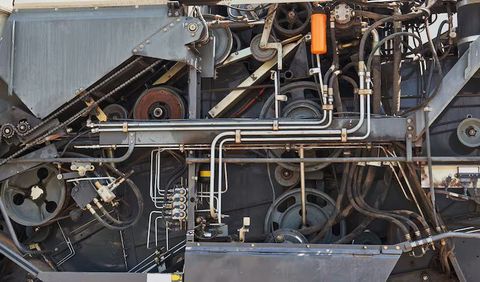
Machinery and Equipment Manufacturing is a major industrial sector responsible for designing, producing, and assembling machines used across manufacturing, construction, agriculture, mining, energy production, transportation, and many other industries.
These machines help organizations produce goods, process materials, move products, and perform specialized industrial tasks.
The origins of machinery manufacturing can be traced to the Industrial Revolution, when mechanical systems began replacing many forms of manual labor. Over time, technological advancements introduced electric motors, automated controls, computer-based systems, and digital monitoring tools. Today, machinery is an essential part of modern economies and supports nearly every major industrial activity.
Industrial equipment manufacturers develop a broad range of products, from simple mechanical devices to highly sophisticated automated production systems. Manufacturing machinery suppliers provide equipment used in factories and processing facilities, while heavy machinery manufacturers focus on large-scale equipment used in construction, mining, and infrastructure projects.
The industry also includes OEM machinery manufacturers, industrial processing equipment manufacturers, and organizations involved in turnkey manufacturing solutions that integrate multiple technologies into complete production systems.
Importance
Machinery manufacturing plays a significant role in economic development, industrial productivity, and technological innovation.
Supporting Industrial Production
Most products used in everyday life are manufactured with the help of machinery.
Examples include:
- Food products
- Automobiles
- Electronics
- Building materials
- Consumer goods
Without machinery, large-scale production would be significantly more difficult and less efficient.
Improving Productivity
Machines allow organizations to perform repetitive, complex, or physically demanding tasks more consistently.
This helps increase production capacity while maintaining quality standards.
Supporting Infrastructure Development
Heavy machinery manufacturers provide equipment used in infrastructure projects such as roads, bridges, ports, airports, and utility systems.
These projects contribute to economic growth and public development.
Encouraging Innovation
Advanced manufacturing technologies continue to improve how products are designed, produced, and distributed.
Innovation within machinery manufacturing often influences other industries as well.
Recent Updates
Several trends have shaped Machinery and Equipment Manufacturing between 2024 and 2026.
Expansion of Automation
Automation continues to transform manufacturing environments.
Many facilities are adopting:
- Robotic systems
- Automated material handling
- Computer-controlled machinery
- Digital monitoring platforms
- Intelligent production systems
These technologies help improve consistency and operational visibility.
Growth of Smart Manufacturing
Smart manufacturing integrates sensors, software, and connected devices into production environments.
Equipment can now provide real-time operational data and performance insights.
Increased Adoption of Artificial Intelligence
Artificial intelligence is being used to support predictive maintenance, production planning, quality control, and process optimization.
These tools help organizations analyze large volumes of operational information.
Sustainability Initiatives
Manufacturers are increasingly focusing on reducing energy consumption, minimizing waste, and improving resource efficiency.
New machinery designs often incorporate environmental considerations.
Digital Twin Technology
Digital twin systems create virtual representations of physical machinery and manufacturing processes.
These models help engineers evaluate performance and simulate operational scenarios.
Laws or Policies
Machinery manufacturing is influenced by various regulations and standards intended to support safety, quality, and environmental responsibility.
Workplace Safety Regulations
Manufacturing facilities must follow workplace safety requirements related to machinery operation and employee protection.
These regulations often address:
- Machine guarding
- Emergency controls
- Operator training
- Hazard management
- Equipment inspections
Product Safety Standards
Many machines must comply with technical standards before entering industrial use.
These standards help support reliability and operational safety.
Environmental Regulations
Environmental policies influence manufacturing processes, emissions management, waste handling, and energy consumption.
Organizations must often comply with environmental reporting and operational requirements.
Trade and Manufacturing Policies
Governments frequently implement industrial policies that influence manufacturing activities, technology development, and industrial competitiveness.
| Regulatory Area | Purpose |
|---|---|
| Workplace Safety Standards | Protects personnel |
| Product Safety Requirements | Supports equipment reliability |
| Environmental Regulations | Reduces environmental impacts |
| Manufacturing Policies | Encourages industrial development |
| Technical Standards | Promotes consistency and compliance |
Tools and Resources
Various tools help organizations design, manufacture, and manage industrial machinery.
Computer-Aided Design Software
Engineers use computer-aided design software to create detailed machinery models and technical drawings.
These tools support design accuracy and collaboration.
Manufacturing Execution Systems
Manufacturing execution systems help monitor production activities and manage workflows.
They provide visibility into factory operations.
Enterprise Resource Planning Platforms
Enterprise resource planning systems coordinate production, inventory, procurement, and operational data.
These platforms support business management activities.
Simulation and Modeling Tools
Simulation software helps engineers evaluate machine performance before physical production begins.
These tools can identify potential design improvements.
Asset Management Systems
Organizations use asset management platforms to track equipment condition, maintenance schedules, and lifecycle performance.
Types of Machinery and Equipment
Production Machinery
Production equipment is used to manufacture goods across many industries.
Examples include:
- Assembly systems
- Packaging equipment
- Cutting machines
- Forming machinery
- Processing systems
Industrial Processing Equipment
Industrial processing equipment manufacturers develop systems used to transform raw materials into finished or semi-finished products.
Applications exist in food production, chemicals, pharmaceuticals, and many other sectors.
Heavy Machinery
Heavy machinery manufacturers produce equipment used in large-scale construction, mining, and infrastructure projects.
Examples include excavators, loaders, cranes, and earthmoving equipment.
Material Handling Equipment
Material handling systems transport, store, and organize products within industrial facilities.
These systems contribute to efficient production workflows.
Specialized Machinery
Some organizations focus on custom machinery manufacturing services designed to address specific production requirements and unique operational challenges.
Industry Participants
Industrial Equipment Manufacturers
Industrial equipment manufacturers design and produce machinery used across multiple sectors.
Their activities include engineering, product development, testing, and manufacturing.
Manufacturing Machinery Suppliers
Manufacturing machinery suppliers provide production equipment to factories and industrial facilities.
These organizations support a broad range of manufacturing activities.
OEM Machinery Manufacturers
OEM machinery manufacturers produce equipment that may be integrated into larger industrial systems or distributed through other organizations.
Manufacturing Plant Equipment Suppliers
Manufacturing plant equipment suppliers provide machinery, automation systems, and supporting technologies used in production facilities.
System Integration Organizations
Companies involved in turnkey manufacturing solutions coordinate machinery, automation technologies, software systems, and production infrastructure within complete industrial projects.
Applications Across Industries
Automotive Manufacturing
Machinery supports vehicle production through welding, assembly, painting, machining, and inspection processes.
Food and Beverage Processing
Industrial equipment is used for processing, packaging, and handling food products.
Construction
Heavy machinery plays an important role in infrastructure development and building projects.
Energy Production
Machinery supports power generation, fuel processing, and renewable energy projects.
Electronics Manufacturing
Precision equipment is used to produce electronic components and devices.
Emerging Technologies
Industrial Internet of Things
Connected sensors enable machinery to communicate operational data through digital networks.
This technology supports monitoring and analytics.
Predictive Maintenance
Advanced manufacturing technologies increasingly use data analysis to identify maintenance needs before equipment failures occur.
Robotics and Automation
Industrial robots continue to expand across production environments, supporting efficiency and consistency.
Additive Manufacturing
Three-dimensional printing technologies are being integrated into some manufacturing processes for specialized production requirements.
FAQs
What is Machinery and Equipment Manufacturing?
Machinery and Equipment Manufacturing is the industrial sector responsible for designing, producing, and assembling machines used in manufacturing, construction, agriculture, energy production, and other industries.
What do industrial equipment manufacturers produce?
Industrial equipment manufacturers produce machinery used for production, material handling, processing, transportation, automation, and industrial operations.
What is the role of manufacturing machinery suppliers?
Manufacturing machinery suppliers provide equipment used in factories and production facilities to support manufacturing processes.
What are turnkey manufacturing solutions?
Turnkey manufacturing solutions involve the integration of machinery, automation systems, software platforms, and production infrastructure into a coordinated manufacturing environment.
What are advanced manufacturing technologies?
Advanced manufacturing technologies include robotics, automation, artificial intelligence, digital monitoring systems, predictive maintenance tools, and smart manufacturing platforms.
Conclusion
Machinery and Equipment Manufacturing is a foundational industry that supports production, infrastructure development, transportation, energy generation, and countless other sectors. Industrial equipment manufacturers, manufacturing machinery suppliers, heavy machinery manufacturers, and OEM machinery manufacturers contribute to the development of technologies used throughout the global economy. Advances in automation, digitalization, and advanced manufacturing technologies continue to transform how machinery is designed and operated. As industrial needs evolve, machinery manufacturing remains an essential component of modern economic and technological development.