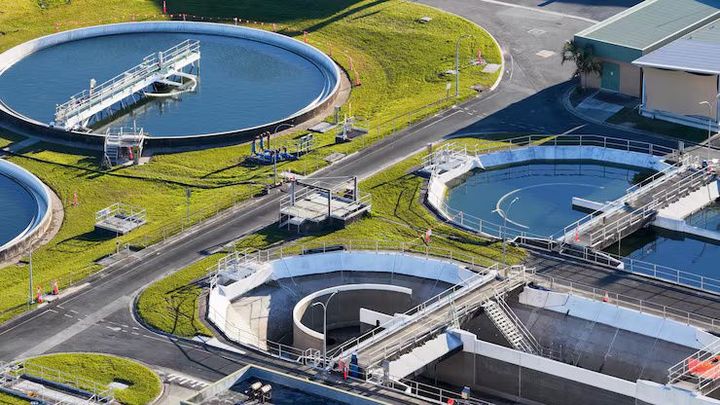
Water Treatment Equipment: A Complete Guide to Clean Water Technologies and Solutions
Water treatment equipment refers to the machinery, systems, and technologies used to improve water quality for drinking, industrial processes, wastewater management, and environmental protection.
These systems remove contaminants, control impurities, and help ensure that water meets specific quality requirements for its intended use.
The need for water treatment has existed throughout human history. As populations grew and industrial activities expanded, the demand for reliable sources of clean water increased. Communities developed methods to filter, disinfect, and manage water resources to support public health, agriculture, manufacturing, and infrastructure development.
Today, water treatment equipment manufacturers develop a wide range of technologies for different applications. These include filtration systems, membrane technologies, sedimentation equipment, disinfection systems, pumps, monitoring instruments, and advanced treatment processes. Industrial water treatment equipment is widely used in manufacturing and energy production, while municipal water treatment equipment supports public water supplies and wastewater management.
Modern facilities often work with water treatment system suppliers, wastewater treatment equipment manufacturers, and water treatment system integrators to develop and operate complex treatment facilities.
Importance
Water treatment equipment plays a vital role in protecting public health, supporting economic activities, and preserving environmental resources.
Supporting Safe Water Supplies
Communities depend on treated water for drinking, cooking, sanitation, and daily activities.
Water treatment systems help remove contaminants such as:
- Sediment
- Microorganisms
- Organic materials
- Chemical impurities
- Suspended particles
These processes contribute to safer water distribution.
Supporting Industrial Operations
Many industries require water that meets specific quality standards.
Industrial water treatment equipment is commonly used in:
- Manufacturing facilities
- Power generation plants
- Food processing operations
- Pharmaceutical production
- Chemical processing
Proper water treatment helps support operational efficiency and equipment performance.
Protecting the Environment
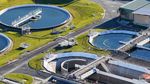
Wastewater treatment systems help reduce the environmental impact of industrial and municipal activities.
Treatment processes can remove pollutants before water is returned to rivers, lakes, oceans, or other receiving environments.
Supporting Sustainable Resource Management
Water treatment technologies contribute to water conservation efforts by enabling reuse, recycling, and efficient management of water resources.
Recent Updates
Water treatment technology has continued to evolve between 2024 and 2026 as environmental concerns and infrastructure needs drive innovation.
Expansion of Smart Monitoring Systems
Many treatment facilities are adopting digital monitoring technologies that provide real-time information about water quality and equipment performance.
These systems can monitor:
- Flow rates
- Water quality indicators
- Equipment status
- Energy usage
- Treatment performance
Digital monitoring helps improve operational visibility.
Growth of Advanced Filtration Technologies
Membrane filtration systems continue to advance, supporting improved treatment capabilities for both municipal and industrial applications.
These technologies are increasingly used in water purification and reuse projects.
Increased Focus on Water Reuse
Water scarcity concerns in some regions have encouraged greater interest in water recycling and reuse systems.
Treatment technologies are being developed to support multiple reuse applications across industries and municipalities.
Integration of Automation
Water treatment system integrators increasingly connect treatment facilities with automated controls and centralized monitoring platforms.
Automation can improve process consistency and operational efficiency.
Sustainability Initiatives
Many organizations are exploring ways to reduce energy consumption and improve resource efficiency within water treatment operations.
Laws or Policies
Water treatment activities are influenced by regulations related to public health, environmental protection, and infrastructure management.
Drinking Water Standards
Governments establish water quality requirements for public drinking water systems.
These standards often address:
- Microbiological quality
- Chemical contaminants
- Physical characteristics
- Monitoring requirements
- Reporting obligations
Compliance helps protect public health.
Wastewater Discharge Regulations
Wastewater treatment facilities must often meet discharge requirements before releasing treated water into the environment.
Regulations vary according to location and receiving water conditions.
Environmental Protection Policies
Environmental laws frequently govern water resource management, pollution control, and ecosystem protection.
These policies help preserve natural water systems.
Infrastructure and Safety Requirements
Treatment facilities may be subject to engineering standards and operational requirements designed to support reliability and safety.
| Regulatory Area | Purpose |
|---|---|
| Drinking Water Standards | Protects public health |
| Wastewater Regulations | Controls environmental impacts |
| Environmental Protection | Preserves water resources |
| Infrastructure Standards | Supports facility reliability |
| Monitoring Requirements | Verifies compliance |
Tools and Resources
Various tools support water treatment planning, operation, and monitoring.
Water Quality Monitoring Systems
Modern facilities use sensors and digital instruments to measure water quality parameters in real time.
Common measurements include:
- pH levels
- Turbidity
- Conductivity
- Dissolved oxygen
- Temperature
These tools help operators evaluate treatment performance.
Process Simulation Software
Engineers use simulation programs to model treatment processes and evaluate system performance under different operating conditions.
Asset Management Platforms
Treatment facilities often use digital asset management systems to track equipment performance and maintenance activities.
These platforms support long-term infrastructure management.
Geographic Information Systems
Water utilities frequently use mapping technologies to manage infrastructure networks and water resources.
Technical Standards Resources
Industry organizations publish technical guidance documents, standards, and educational materials related to water treatment technologies.
Types of Water Treatment Equipment
Filtration Systems
Filtration equipment removes suspended particles and impurities from water.
Examples include:
- Sand filters
- Cartridge filters
- Multimedia filters
- Membrane filtration systems
These technologies are widely used across treatment applications.
Disinfection Equipment
Disinfection systems help control microorganisms and improve water quality.
Common approaches include ultraviolet treatment, chlorination, and ozone treatment.
Sedimentation Systems
Sedimentation equipment allows heavier particles to settle out of water before additional treatment stages.
These systems are commonly used in municipal water treatment equipment.
Membrane Technologies
Advanced membrane systems can separate dissolved substances and contaminants from water.
Applications include desalination, industrial processing, and water reuse projects.
Biological Treatment Equipment
Wastewater treatment equipment manufacturers often develop biological treatment technologies that use microorganisms to break down organic materials.
These systems are widely used in wastewater management.
Industry Participants
Water Treatment Equipment Manufacturers
Water treatment equipment manufacturers design and produce systems used in water purification, wastewater management, and industrial water treatment.
Their activities include engineering, testing, and technology development.
Water Treatment System Suppliers
Water treatment system suppliers provide equipment and technologies used by municipalities, industries, and infrastructure projects.
Wastewater Treatment Equipment Manufacturers
Wastewater treatment equipment manufacturers specialize in technologies designed to manage and treat wastewater streams.
Water Treatment System Integrators
Water treatment system integrators coordinate equipment, automation technologies, and treatment processes within larger facility projects.
Project Development Organizations
Some organizations participate in turnkey water treatment solutions that combine engineering, equipment integration, and facility implementation activities.
Applications Across Industries
Municipal Water Systems
Municipal water treatment equipment supports drinking water production and wastewater treatment for communities.
Manufacturing Facilities
Industrial water treatment equipment helps manage process water, cooling systems, and wastewater streams.
Energy Production
Power generation facilities use water treatment technologies to support boilers, cooling systems, and environmental compliance activities.
Food and Beverage Processing
Water quality is important in food production, cleaning operations, and manufacturing processes.
Environmental Protection Projects
Treatment systems are used in projects designed to protect rivers, lakes, wetlands, and other ecosystems.
FAQs
What do water treatment equipment manufacturers produce?
Water treatment equipment manufacturers produce filtration systems, disinfection technologies, pumps, membrane systems, monitoring instruments, and other treatment equipment.
What is industrial water treatment equipment used for?
Industrial water treatment equipment is used to improve water quality for manufacturing processes, cooling systems, energy production, and wastewater management.
What do wastewater treatment equipment manufacturers develop?
Wastewater treatment equipment manufacturers develop technologies that remove contaminants from wastewater before it is discharged or reused.
What are commercial water treatment systems?
Commercial water treatment systems are designed to improve water quality in facilities such as office buildings, hotels, healthcare facilities, and commercial properties.
What role do water treatment system integrators play?
Water treatment system integrators coordinate equipment, automation technologies, monitoring systems, and treatment processes within larger treatment facilities.
Conclusion
Water treatment equipment plays a critical role in supporting public health, industrial operations, and environmental protection. Water treatment equipment manufacturers, wastewater treatment equipment manufacturers, water treatment system suppliers, and water treatment system integrators contribute to the development and operation of systems used throughout the world. Advances in automation, digital monitoring, and treatment technologies continue to improve water management capabilities. As demand for clean water and sustainable resource management grows, water treatment systems remain essential components of modern infrastructure.