Marquise Cut Diamonds Basics: Learn the Shape, History, and Diamond Quality Factors
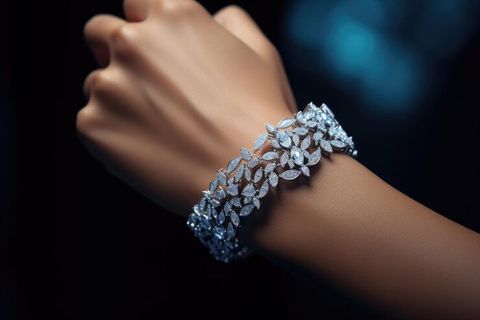
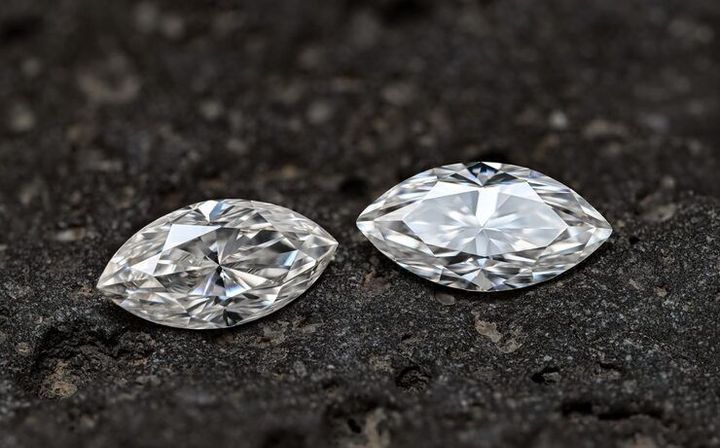
Marquise cut diamonds are a distinctive diamond shape recognized for their elongated body and pointed ends. This unique design creates an elegant, boat-like silhouette that reflects light across a wide surface area. The cut belongs to the family of fancy-shaped diamonds, meaning it differs from the traditional round brilliant cut.
The marquise cut has historical roots that trace back to European royalty. According to historical accounts, the shape was originally designed in the 18th century to resemble the smile of a French noblewoman. Over time, diamond cutters refined its proportions and symmetry to maximize brilliance and visual balance.
From a technical perspective, marquise cut diamonds typically feature:
- 56 to 58 facets
- A length-to-width ratio that affects visual appearance
- Symmetrical pointed tips
- Curved sides that enhance light reflection
Because of its elongated structure, the marquise cut often appears larger than other diamond shapes of similar weight. This visual effect has made it an important design option in jewelry craftsmanship and gemology education.
Diamond Grading Considerations
Diamond grading for marquise cuts follows the same evaluation standards applied to other shapes. These include clarity, color grade, cut quality, and carat weight.
However, the geometry of the marquise cut introduces additional considerations:
- Symmetry precision
- Bow-tie effect visibility
- Tip durability
Why Marquise Cut Diamonds Matter in Modern Jewelry and Gemology
Marquise cut diamonds remain relevant in today’s jewelry and gemstone industry due to their aesthetic appeal and efficient use of raw diamond material. Their elongated design spreads weight across a larger surface, making them appear bigger than many other shapes of equal carat weight.
This shape also offers strong versatility in jewelry design. It can be set vertically, horizontally, or incorporated into modern geometric arrangements. Designers frequently use marquise diamonds in rings, pendants, and decorative patterns.
Industry Relevance
The importance of marquise cut diamonds extends across multiple sectors:
- Jewelry manufacturing and craftsmanship
- Gemological education and research
- Precious stone certification organizations
- Luxury goods and fashion industries
In addition, marquise diamonds help solve design challenges. For example, their elongated shape can create the visual illusion of longer fingers when used in rings.
Technical Importance
Studying marquise cuts helps gemologists understand how facet arrangements affect:
- Light performance
- Brilliance
- Scintillation
They also contribute to efficient rough diamond utilization, allowing cutters to maximize yield from certain crystal formations.
Recent Developments and Trends in the Diamond Industry
During 2024 and early 2025, several trends influenced how marquise cut diamonds are evaluated and discussed. One major trend is the growing availability of lab-grown diamonds in marquise shapes. Advances in CVD and HPHT methods have improved their quality and consistency.
Another key development is AI-assisted diamond grading. Machine learning systems analyze symmetry, proportions, and light performance, helping laboratories improve grading accuracy.
Blockchain-based diamond tracking systems have also gained attention. These platforms enhance transparency by recording a diamond’s origin, certification, and processing history.
Sustainability and Technology
Sustainability discussions have increased significantly in recent years. Environmental concerns related to mining practices and ethical sourcing are shaping industry research and reporting.
Advanced cutting technologies are also improving precision in marquise diamonds. These include:
- Computer-controlled laser cutting systems
- High-resolution scanning tools
- Enhanced symmetry optimization methods
Regulations and Policies Affecting Diamond Classification
Diamonds are subject to international regulations and certification standards to ensure transparency and consumer protection. One widely recognized framework is the Kimberley Process Certification Scheme, which helps prevent conflict diamonds from entering global markets.
Gemological laboratories follow strict grading guidelines when evaluating diamonds. These standards ensure consistency in assessing clarity, color, and cut characteristics.
Key Regulatory Areas
Several policy areas influence the diamond sector:
- Import and export documentation requirements
- Certification standards for gemstone grading
- Environmental regulations for mining operations
- Consumer protection laws for product labeling
In many countries, regulations require clear labeling of natural and lab-grown diamonds to maintain transparency.
Tools and Resources for Learning About Diamond Quality
Many digital tools and educational resources help individuals understand diamond shapes and evaluation techniques. These include gemology training materials, calculators, and visualization platforms.
Common Diamond Analysis Tools
| Tool or Resource | Purpose |
|---|---|
| Diamond proportion calculators | Evaluate ideal length-to-width ratios |
| Gemology learning platforms | Provide structured gemstone education |
| Diamond grading charts | Explain clarity and color grading scales |
| 3D visualization tools | Simulate light performance and facets |
These tools are especially useful for understanding symmetry and proportions in marquise diamonds.
Diamond Quality Factors
| Quality Factor | Description |
|---|---|
| Cut | Determines brilliance and light reflection |
| Clarity | Measures internal and external imperfections |
| Color Grade | Evaluates absence of color |
| Carat Weight | Indicates the diamond’s mass |
Length-to-Width Ratio Guide
| Ratio Range | Appearance |
|---|---|
| 1.75–1.85 | Balanced proportions |
| 1.90–2.10 | More elongated appearance |
Understanding these ratios helps explain how marquise diamonds achieve their signature shape.
Frequently Asked Questions
What defines a marquise cut diamond?
A marquise cut diamond is an elongated diamond with pointed ends and curved sides. It typically contains around 58 facets and is classified as a fancy cut.
Why does the marquise cut appear larger?
The elongated surface spreads weight across a longer area. This creates the impression of a larger diamond compared to round or square shapes of similar carat weight.
What is the bow-tie effect?
The bow-tie effect is a dark shadow across the center of elongated diamonds. It occurs due to internal light reflection patterns and can be minimized with proper cutting.
Are marquise diamonds used today?
Yes, marquise diamonds remain popular in modern jewelry. Designers use them in various creative settings, including horizontal and clustered designs.
How are marquise diamonds graded?
They are graded using the standard criteria: cut, clarity, color, and carat weight. Additional attention is given to symmetry and tip alignment.
Conclusion
Marquise cut diamonds combine historical significance, geometric precision, and modern craftsmanship. Their elongated form and pointed tips create unique visual effects that distinguish them from other diamond shapes.
Understanding these diamonds involves more than recognizing their appearance. It includes analyzing grading factors such as symmetry, clarity, and light performance. Technological advancements like AI grading and blockchain tracking continue to shape the industry.
Regulatory frameworks and certification standards also play a critical role in ensuring transparency and ethical sourcing. For gemology students, designers, and enthusiasts, studying marquise cut diamonds provides valuable insight into both aesthetics and technical performance.