Maximizing EV Battery Lifespan: Complete Guide to Long-Lasting Performance and Care
Electric vehicle (EV) batteries are the core component that powers modern electric mobility. These batteries, typically lithium-ion based, store energy and deliver it efficiently to the vehicle’s motor. Over time, like all rechargeable batteries, they experience gradual degradation, which reduces their ability to hold charge.
The concept of maximizing EV battery lifespan ensures that electric vehicles deliver reliable performance over time. Battery longevity depends on multiple factors such as charging habits, temperature, driving patterns, and battery management systems.
EV battery lifespan is typically measured in charge cycles or years of use. Most EV batteries last between 8 to 15 years, depending on environmental conditions and usage behavior.
Key Factors Affecting Battery Life
Several elements influence how long an EV battery performs efficiently:
- Depth of discharge (how much battery is used before recharging)
- Charging frequency and speed
- Thermal management systems
- Battery chemistry and design
Understanding these factors helps users reduce battery degradation and maintain long-term efficiency.
Why EV Battery Longevity Matters Today
EV battery lifespan has become increasingly important due to the global shift toward sustainable transportation. As electric vehicles become more common, battery durability directly impacts usability and cost efficiency.
Battery performance affects several aspects of EV usage:
- Daily driving range
- Vehicle reliability
- Environmental impact
- Long-term usability
Battery degradation reduces energy storage capacity, limiting how far a vehicle can travel on a single charge. This is particularly critical for ride-sharing services, logistics, and long-distance travel.
Common Challenges Addressed by Battery Care
Proper battery maintenance helps mitigate several issues:
- Range anxiety due to reduced capacity
- Performance drops in extreme temperatures
- Increased maintenance complexity
- Resource-intensive battery recycling
Longer battery lifespan also supports sustainability by reducing the need for replacements and conserving raw materials.
Recent Trends in EV Battery Technology
Advancements in 2025 have significantly improved EV battery performance and lifespan. One major development is the adoption of lithium iron phosphate (LFP) batteries, which offer better thermal stability and longer cycle life.
Another key trend is the use of advanced battery management systems (BMS). These systems leverage AI and real-time data to optimize charging and prevent overheating.
Key Developments in 2025
- Improved fast-charging algorithms to reduce battery stress
- Expansion of solid-state battery research
- Enhanced thermal management systems
- Use of predictive analytics for diagnostics
Software updates now allow automakers to improve battery efficiency without hardware changes. Smart charging networks also help balance power delivery and minimize battery strain.
Regulations and Policies Affecting EV Batteries
Government policies play a vital role in shaping EV battery lifespan and sustainability. In India, initiatives like the FAME program support EV adoption and battery innovation.
Regulations focus on safety, recycling, and efficiency standards to ensure responsible battery usage. These frameworks also encourage manufacturers to design longer-lasting and recyclable batteries.
Key Regulatory Areas
- Battery safety standards
- Recycling and disposal guidelines
- Emission reduction targets
- Certification requirements
The Battery Waste Management Rules in India promote proper recycling and reuse of materials. Globally, initiatives like battery passports improve transparency and lifecycle tracking.
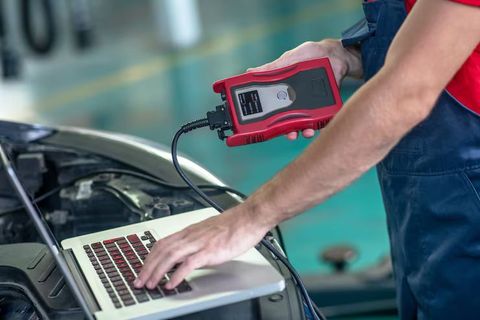
Tools for Monitoring and Improving Battery Health
Modern tools and digital platforms help users track and maintain EV battery performance. These tools provide insights into usage patterns and enable better decision-making.
Common Tools
- Vehicle dashboard analytics systems
- Mobile charging apps
- Battery health monitoring software
- Telematics systems
- Charging optimization tools
Key Functionalities
- Real-time battery tracking
- Charging history analysis
- Temperature monitoring
- Predictive maintenance alerts
Battery Monitoring Tools Overview
| Tool Type | Key Function | Benefit |
|---|---|---|
| Battery Management System | Monitors voltage and temperature | Prevents overheating |
| Charging Apps | Tracks charging sessions | Optimizes charging habits |
| Telematics Platforms | Analyzes driving patterns | Improves efficiency |
| Diagnostic Software | Detects battery health issues | Early problem identification |
Best Practices for Battery Health
- Maintain charge between 20% and 80%
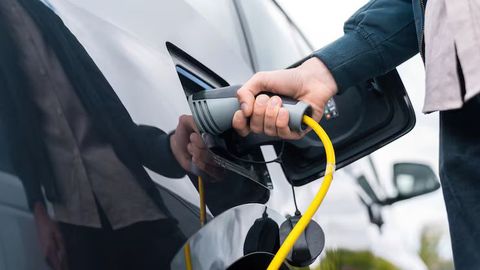
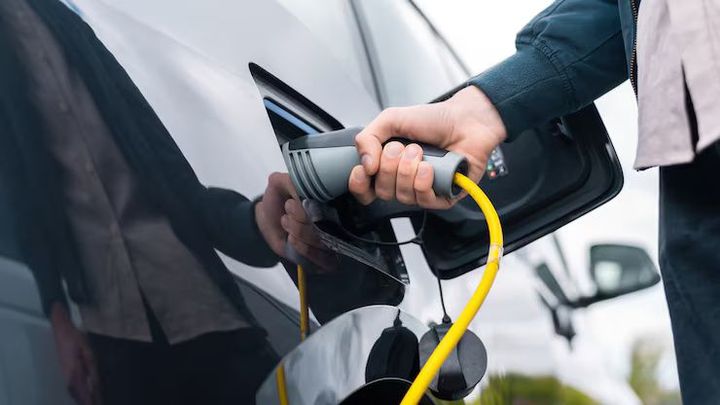
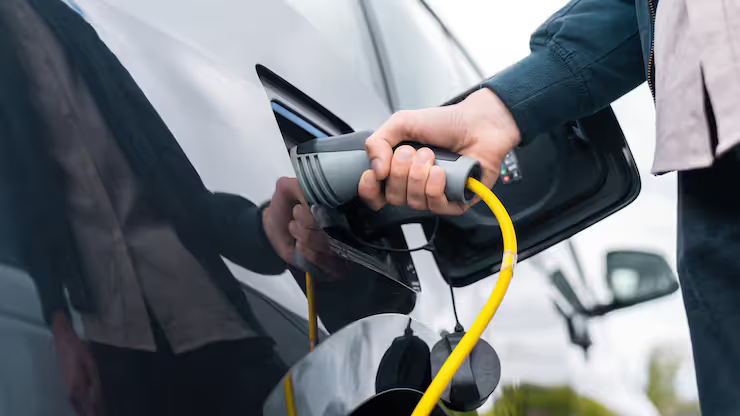
- Avoid frequent fast charging
- Park in moderate temperatures
- Use scheduled charging
These practices help extend battery life and ensure consistent performance.
Frequently Asked Questions About EV Battery Lifespan
How long does an EV battery last?
Most EV batteries last between 8 to 15 years, depending on usage and environmental conditions.
Does fast charging reduce battery lifespan?
Frequent fast charging can increase battery stress. Occasional use is acceptable, but regular slow charging is recommended.
What is the ideal charging range?
Keeping the battery between 20% and 80% helps reduce wear and extend lifespan.
How does temperature affect batteries?
Extreme heat or cold can accelerate battery degradation. Thermal management systems help regulate temperature.
Can software updates improve battery life?
Yes, software updates can optimize charging patterns and improve energy efficiency.
Additional Insights on EV Battery Care
Daily usage habits play a major role in battery lifespan. Small adjustments can significantly improve long-term performance.
Key Recommendations
- Avoid frequent full discharges
- Limit exposure to extreme temperatures
- Use regenerative braking
- Monitor battery health regularly
Charging Behavior Comparison
| Charging Practice | Impact on Battery Health |
|---|---|
| Frequent fast charging | Moderate wear |
| Controlled slow charging | Lower wear |
| Deep discharge cycles | Higher degradation |
| Partial charging cycles | Improved longevity |
Balanced charging and consistent monitoring are essential for maintaining battery efficiency.
Conclusion
Maximizing EV battery lifespan is essential for ensuring performance, efficiency, and sustainability. As EV adoption increases, understanding battery care becomes more important for users and businesses alike.
Advancements in battery technology and management systems are helping extend battery life. At the same time, regulations are encouraging responsible usage and recycling practices.
By following best practices such as optimized charging and temperature management, users can significantly improve battery longevity. EV battery lifespan is a key factor shaping the future of transportation and environmental sustainability.