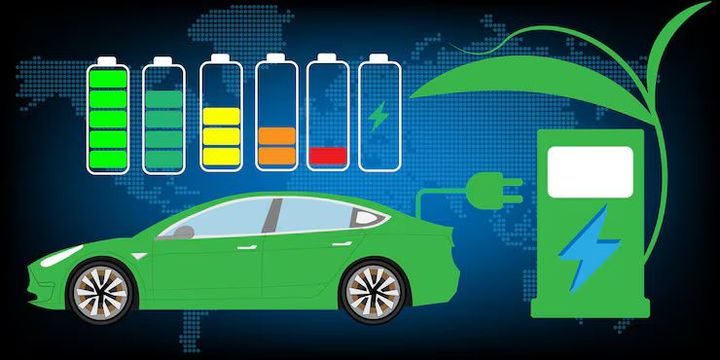
Maximizing EV Battery Lifespan: Expert Insights, Care Tips, and Long-Term Performance Guide
Electric vehicles have become a common part of modern transportation discussions. At the center of every electric vehicle is a rechargeable battery pack that stores energy and powers the motor. The lifespan of this battery plays an important role in how long the vehicle performs efficiently and how reliably it operates over time. Because of this, understanding EV battery lifespan and the factors that influence it has become a widely discussed topic among drivers, policymakers, and researchers.
Most electric vehicles use lithium-ion battery technology. This same battery type is also used in laptops, smartphones, and other electronic devices. In vehicles, however, the batteries are larger and designed to withstand thousands of charging cycles while maintaining stable performance.
EV battery lifespan is typically measured in years or in charging cycles. A charging cycle refers to using a full charge equivalent over time, whether that occurs in a single discharge or through multiple partial discharges. Over time, all lithium-ion batteries gradually lose their ability to hold the same amount of energy, which is known as battery degradation.
Several factors influence long-term battery health, including temperature, charging habits, driving patterns, and battery management systems. Manufacturers design battery packs with monitoring technology that regulates voltage, temperature, and energy flow to support durability.
As electric vehicles become more common in many countries, interest in EV battery care tips and long-term battery performance guidance has increased. Many drivers want to understand how to maintain battery health and how different practices affect battery life over many years.
Importance
EV battery lifespan matters because the battery is the main energy storage component of an electric vehicle. When battery capacity gradually declines, the vehicle may travel fewer kilometers on a single charge compared with when it was new. Understanding battery care practices can help drivers maintain stable performance for longer periods.
Battery longevity also affects broader environmental goals. Electric vehicles are often promoted as a way to reduce emissions from transportation. Longer-lasting batteries support this objective because fewer replacements are required over the lifetime of a vehicle.
Several everyday challenges are connected to EV battery lifespan:
- Temperature exposure: Batteries operate within an ideal temperature range. Extremely hot or cold environments may accelerate degradation.
- Charging behavior: Frequent high-power charging or repeatedly charging to very high levels may influence long-term battery health.
- Driving patterns: Aggressive acceleration and heavy energy use may place additional strain on battery systems.
- Storage conditions: Vehicles left unused for long periods with very low or very high charge levels may experience increased degradation.
Understanding these factors allows drivers to make informed decisions about daily use. Even small adjustments in charging routines or parking habits can help maintain stable battery performance over time.
Battery management systems installed in modern electric vehicles also help address these challenges. These systems monitor cell balance, temperature levels, and charging behavior to maintain operational stability.
As global transportation systems shift toward electrification, the topic of maximizing EV battery lifespan has become important for both individual drivers and energy planners.
Recent Updates
Between 2024 and 2026, several developments have shaped discussions about EV battery longevity and performance.
One notable trend involves improvements in battery chemistry. Researchers and manufacturers have continued exploring lithium iron phosphate (LFP) batteries and other alternative chemistries designed to improve stability and reduce degradation over time. Some electric vehicles now use LFP batteries because they tolerate frequent charging cycles and wider temperature ranges.
Battery thermal management systems have also improved. These systems regulate battery temperature through cooling or heating mechanisms. More advanced systems help maintain batteries within an optimal temperature window, which can reduce degradation during both driving and charging.
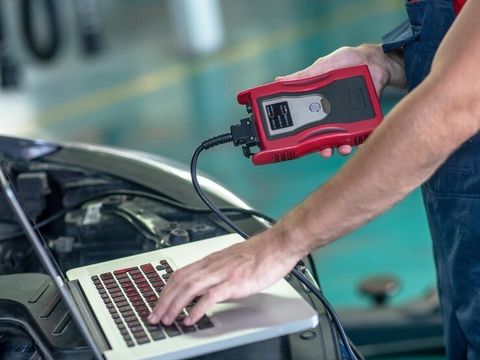
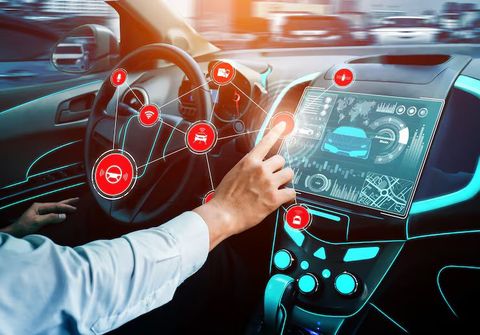
Another development is the expansion of software-based battery monitoring. Modern vehicles collect detailed data about charging patterns, cell voltage levels, and temperature changes. This information allows onboard systems to balance battery cells more effectively and identify irregular conditions earlier.
Charging infrastructure has also evolved. High-power public charging networks have expanded in many regions, making long-distance travel more practical. At the same time, researchers continue studying how frequent high-power charging affects long-term battery performance.
Battery recycling and reuse programs have also gained attention. When EV batteries reach a point where their automotive capacity declines, they may still store energy for stationary applications such as grid storage or backup power systems.
These developments reflect an ongoing effort to improve battery durability while expanding electric mobility worldwide.
Laws or Policies
Government policies influence how electric vehicle batteries are produced, used, and recycled. Regulations often focus on safety standards, environmental responsibility, and transportation electrification goals.
Many countries have introduced electric vehicle adoption programs to support reduced emissions in transportation. These programs may include research funding, manufacturing incentives, or infrastructure development initiatives.
In India, national initiatives such as the Faster Adoption and Manufacturing of Electric Vehicles program encourage electric mobility through policy support and infrastructure development. These programs aim to increase electric vehicle usage while strengthening domestic manufacturing capacity.
Battery safety standards are another important regulatory area. Authorities establish guidelines covering battery testing, thermal safety, transportation rules, and recycling procedures. These standards help ensure that battery systems remain stable under normal operating conditions.
Environmental regulations also address battery recycling and material recovery. Lithium, cobalt, nickel, and other materials used in EV batteries can be recovered through specialized recycling processes. Governments increasingly require responsible handling of used batteries to reduce environmental impact.
Several regions are also developing policies related to battery traceability. These frameworks track battery materials across their lifecycle, from manufacturing to recycling. Such initiatives help improve transparency in supply chains and promote sustainable material use.
Together, these regulations influence how EV battery lifespan is managed from production to end-of-life stages.
Tools and Resources
Various digital tools and platforms help drivers and researchers understand EV battery performance and charging behavior. These resources provide insights into energy usage, battery health, and charging patterns.
Common tools and resources include:
- Battery health monitoring apps: Many electric vehicles include mobile applications that display battery level, charging history, and estimated driving range.
- Energy consumption calculators: Online tools estimate how driving habits and environmental conditions influence energy usage.
- Charging network maps: Platforms help drivers locate public charging stations and compare charging speeds.
- Research databases: Organizations publish studies and technical reports about battery chemistry, degradation patterns, and recycling technology.
- Fleet management platforms: Companies operating electric vehicle fleets often use analytics platforms that track battery performance across multiple vehicles.
The following table summarizes examples of tools related to EV battery monitoring and charging awareness.
| Tool Type | Purpose | Example Function |
|---|---|---|
| Battery monitoring apps | Track battery level and charging behavior | Displays battery percentage, estimated range |
| Charging station maps | Identify nearby charging locations | Shows station availability and charging speed |
| Energy usage calculators | Estimate electricity consumption | Calculates range based on driving conditions |
| Research databases | Provide technical studies and reports | Shares research on battery chemistry and degradation |
| Fleet analytics platforms | Monitor multiple vehicle batteries | Tracks performance trends across fleets |
These tools help users better understand how daily habits affect battery performance. By monitoring charging cycles, temperature conditions, and driving patterns, drivers can maintain awareness of battery health over time.
FAQs
What affects EV battery lifespan the most?
Several factors influence EV battery lifespan, including temperature exposure, charging frequency, charging levels, and driving habits. Consistently maintaining moderate charge levels and avoiding extreme temperatures may support stable battery performance over many years.
How many years can an EV battery typically last?
Electric vehicle batteries are designed to operate for many years under normal driving conditions. While capacity gradually declines over time, many batteries continue functioning for extended periods with gradual changes in energy storage capability.
Do fast chargers reduce EV battery lifespan?
High-power charging can generate more heat than slower charging methods. Modern battery management systems regulate temperature during charging to maintain safe operating conditions, but frequent high-power charging may influence long-term battery degradation patterns.
What are common EV battery care tips for daily driving?
Drivers often follow several general EV battery care tips to support long-term performance:
- Maintain moderate charging levels rather than remaining at extremely high or very low levels for long periods.
- Park in shaded or temperature-controlled environments when possible.
- Use high-power charging mainly when necessary during longer trips.
- Keep vehicle software updated so battery management systems function properly.
How can drivers monitor EV battery health?
Many electric vehicles provide battery health information through onboard displays or mobile applications. These tools track charging cycles, temperature conditions, and energy usage patterns, allowing drivers to observe long-term performance trends.
Conclusion
Electric vehicle batteries are designed for long operational life, but their performance gradually changes over time due to natural chemical processes. Understanding EV battery lifespan helps drivers recognize how charging habits, temperature exposure, and driving patterns influence battery health.
Recent developments in battery chemistry, thermal management, and monitoring software have improved the ability of electric vehicles to maintain stable performance across many years. Government policies and environmental regulations also shape how batteries are produced, used, and recycled.
By combining technological improvements with informed driving practices, the long-term performance of electric vehicle batteries can remain stable throughout much of a vehicle’s operational life.