Medical Catheter Manufacturing Process, Materials & Standards
Medical catheter manufacturing refers to the process of designing and producing thin, flexible medical tubes used for diagnosis, treatment, drainage, monitoring, and minimally invasive medical procedures. Catheters are essential medical devices found in hospitals, clinics, emergency care centers, and home healthcare settings.
The manufacturing process has evolved significantly over the past few decades. Early catheters were made using basic rubber materials, while modern products use advanced medical-grade polymers, precision extrusion technologies, automated inspection systems, and sterile packaging methods.
As healthcare systems continue adopting minimally invasive procedures, the demand for reliable and high-quality catheter production has steadily increased. Manufacturers focus on precision, consistency, safety, and regulatory compliance throughout every stage of production.
Why Medical Catheter Manufacturing Matters
Medical catheter manufacturing plays an important role in modern healthcare because millions of medical procedures depend on these devices every year.
Catheters are commonly used in:
- Cardiovascular procedures
- Urinary care
- Intravenous therapy
- Dialysis treatment
- Gastrointestinal procedures
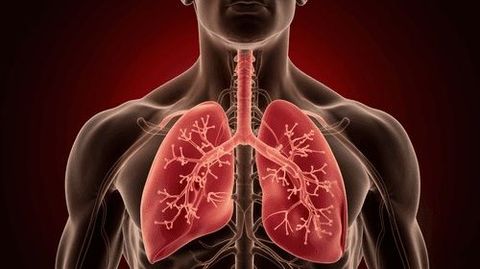
- Respiratory care
- Neurological treatment
The industry supports healthcare providers by ensuring devices meet strict safety, durability, and performance requirements.
Some of the major benefits include:
- Improved patient care
- Reduced surgical complexity
- Better monitoring capabilities
- Support for minimally invasive procedures
- Consistent medical device quality
- Enhanced infection control through sterile manufacturing
The growing aging population and increasing prevalence of chronic diseases have also contributed to expanding catheter applications across healthcare systems worldwide.
Common Materials Used in Catheter Manufacturing
Selecting the right material is one of the most important parts of catheter production because different medical procedures require different flexibility, strength, and compatibility characteristics.
The table below summarizes commonly used materials.
| Material | Common Characteristics | Typical Applications |
|---|---|---|
| Silicone | Flexible, biocompatible | Long-term catheters |
| Polyurethane | Durable and versatile | Intravenous catheters |
| PVC | Cost-effective and lightweight | Short-term applications |
| Nylon | Strong and wear-resistant | Specialized medical devices |
| Pebax | Flexible with excellent performance | Cardiovascular catheters |
| PTFE | Low friction surface | Guide catheter components |
Manufacturers often combine multiple materials to improve flexibility, strength, and patient comfort.
Medical Catheter Manufacturing Process
The production of medical catheters follows multiple precision-controlled steps to ensure consistency and safety.
Product Design
Engineers create catheter specifications based on intended medical use, required flexibility, diameter, length, and performance characteristics.
Material Preparation
Medical-grade raw materials undergo inspection before entering production. Strict cleanliness requirements help reduce contamination risks.
Tube Extrusion
Extrusion machines heat polymer materials and force them through precision dies to produce tubing with highly accurate dimensions.
Reinforcement
Some catheter designs include braided metal wires or polymer reinforcement layers to improve strength without reducing flexibility.
Tip Forming
Manufacturers shape catheter tips using controlled heating systems that create smooth and rounded edges suitable for medical procedures.
Hole Drilling and Finishing
Precision equipment creates drainage openings or side holes according to design specifications.
Assembly
Additional components such as connectors, hubs, balloons, or valves are attached using specialized assembly methods.
Inspection
Automated vision systems and measurement equipment verify dimensions, surface quality, and structural integrity.
Sterilization
Finished products undergo validated sterilization processes before packaging.
Packaging
Catheters are sealed inside sterile medical packaging designed to maintain product integrity until use.
Machinery Used in Medical Catheter Manufacturing
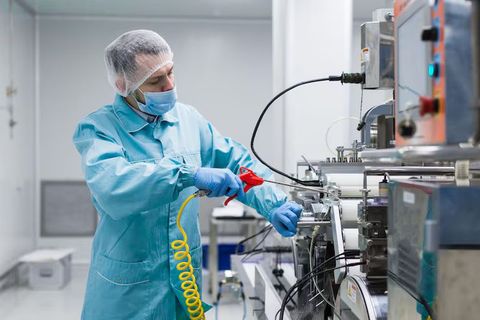
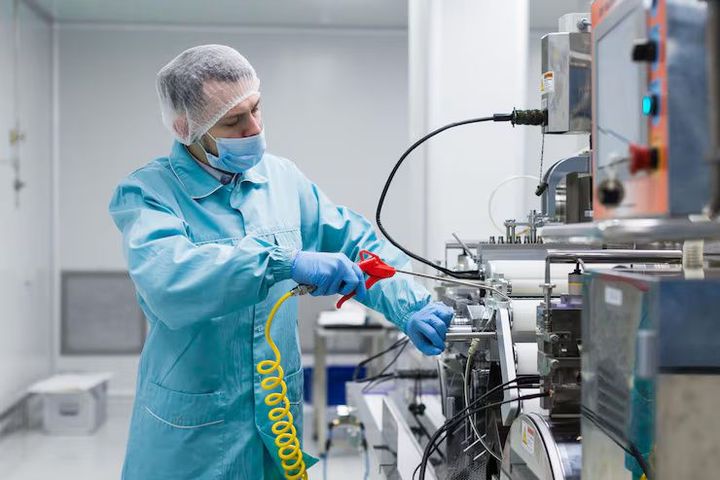
Modern production facilities rely on advanced manufacturing equipment to maintain precision and consistency.
| Machine Type | Primary Function |
| Extrusion Machine | Produces catheter tubing |
| Laser Cutting System | Creates precise openings |
| Tip Forming Machine | Shapes catheter ends |
| Balloon Forming Equipment | Produces balloon catheters |
| Braiding Machine | Adds reinforcement layers |
| Inspection System | Detects dimensional defects |
| Leak Testing Equipment | Checks structural integrity |
| Sterilization Equipment | Ensures medical cleanliness |
| Packaging Machine | Seals sterile medical packaging |
Automation has improved production accuracy while reducing manufacturing variability.
Quality Standards in Catheter Manufacturing
Medical devices require rigorous quality management systems because patient safety depends on product reliability.
Important quality considerations include:
- Dimensional accuracy
- Material traceability
- Sterility assurance
- Mechanical strength
- Flexibility testing
- Biocompatibility evaluation
- Packaging validation
- Shelf-life assessment
- Manufacturing documentation
- Process validation
Quality inspections occur throughout production rather than only after manufacturing is complete.
Recent Updates in Medical Catheter Manufacturing
The catheter manufacturing industry has experienced several important developments during 2025 and early 2026.
Healthcare manufacturers continue increasing automation to improve production consistency while reducing manual inspection requirements.
Artificial intelligence-assisted vision inspection systems have become more common for identifying manufacturing defects with greater accuracy.
There is also growing interest in environmentally responsible manufacturing practices. Many facilities are exploring recyclable packaging materials and improved waste management processes.
Digital manufacturing technologies have expanded, allowing manufacturers to monitor production equipment in real time using connected industrial systems.
Research into antimicrobial catheter coatings has continued throughout 2025, aiming to reduce healthcare-associated infections in specific clinical applications.
Another noticeable trend is the increasing use of high-performance polymers that offer improved flexibility, durability, and compatibility with minimally invasive procedures.
Laws and Policies Related to Medical Catheter Manufacturing
Medical catheter manufacturing is regulated through strict national and international frameworks to protect patient safety.
Most countries require manufacturers to implement documented quality management systems before medical devices can enter healthcare markets.
Common regulatory areas include:
- Medical device classification
- Manufacturing quality management
- Product testing requirements
- Sterility validation
- Clinical evaluation
- Risk management documentation
- Product labeling
- Traceability systems
- Post-market surveillance
- Adverse event reporting
Manufacturers are also expected to maintain production records, conduct regular audits, and demonstrate ongoing compliance with applicable medical device regulations.
Healthcare authorities periodically update technical guidance to reflect advances in manufacturing technology and patient safety expectations.
Helpful Tools and Resources
Medical catheter manufacturing involves many technical resources that support product development, quality assurance, and regulatory compliance.
Useful resources include:
- Material selection databases
- CAD design software
- Manufacturing simulation tools
- Statistical process control templates
- Risk assessment templates
- Quality management documentation systems
- Regulatory guidance documents
- Manufacturing validation checklists
- Inspection reporting templates
- Medical terminology references
These resources help improve consistency throughout product development and manufacturing processes.
Frequently Asked Questions
What is a medical catheter?
A medical catheter is a flexible tube used to deliver fluids, remove fluids, monitor body functions, or assist in medical procedures within the human body.
Which material is commonly used for medical catheters?
Silicone, polyurethane, PVC, PTFE, nylon, and other medical-grade polymers are commonly selected depending on the intended clinical application.
Why is quality control important in catheter manufacturing?
Quality control ensures the catheter meets safety, performance, dimensional accuracy, sterility, and regulatory requirements before it is used in healthcare.
What machinery is used to manufacture catheters?
Production commonly involves extrusion machines, laser cutting equipment, braiding machines, inspection systems, sterilization equipment, and automated packaging machines.
How is catheter manufacturing changing?
Recent developments include increased automation, digital manufacturing technologies, advanced inspection systems, improved medical polymers, and research into antimicrobial surface technologies.
Conclusion
Medical catheter manufacturing combines advanced engineering, precision machinery, specialized materials, and rigorous quality management to produce one of the most important categories of modern medical devices. Every production stage—from material selection and extrusion to inspection, sterilization, and packaging—contributes to patient safety and product performance.
Disclaimer: The information provided in this article is for informational purposes only. We do not make any claims or guarantees regarding the accuracy, reliability, or completeness of the information presented. The content is not intended as professional advice and should not be relied upon as such. Readers are encouraged to conduct their own research and consult with appropriate professionals before making any decisions based on the information provided in this article.