Medical Imaging Equipment Guide: Essential Facts and Modern Methods
Medical imaging equipment helps healthcare professionals view the inside of the human body without surgery. This guide explains how imaging systems work, why they matter, recent innovations, regulations, and essential tools used in modern diagnostics.
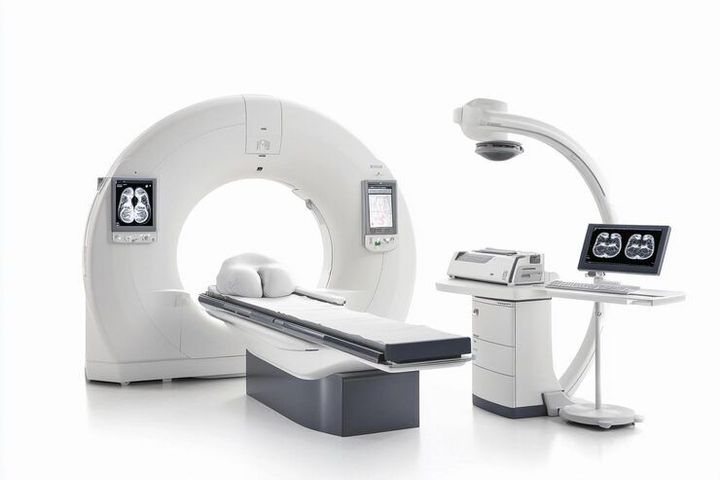
Medical imaging equipment refers to machines and diagnostic systems used to create visual images of internal body structures. These images help healthcare professionals detect diseases, monitor injuries, and evaluate organ function. Common examples include X-ray systems, ultrasound scanners, CT scanners, MRI systems, and nuclear imaging equipment.
The need for medical imaging grew as healthcare advanced. In earlier times, doctors depended mainly on physical symptoms and manual examinations. That often made diagnosis difficult, especially for hidden internal problems. Imaging technology changed this by allowing non-invasive internal visualization.
Modern diagnostic imaging plays a major role in medical technology, radiology systems, digital healthcare infrastructure, and clinical diagnostics. It supports both routine checkups and emergency situations. Today, imaging systems are widely used in hospitals, diagnostic centers, research laboratories, and specialized treatment facilities.
Importance
Medical imaging equipment is essential because early detection often improves treatment planning. Many health conditions, such as fractures, infections, tumors, or organ damage, may not be visible externally.
These technologies help multiple groups:
- Patients needing accurate diagnosis
- Radiologists interpreting scan results
- Surgeons planning procedures
- Emergency care teams handling trauma cases
- Researchers studying disease progression
Below is a simple comparison of common imaging methods:
| Imaging Method | Main Use | Radiation |
|---|---|---|
| X-ray | Bone injuries, chest scans | Yes |
| Ultrasound | Pregnancy, soft tissues | No |
| CT Scan | Internal injuries, organs | Yes |
| MRI | Brain, muscles, joints | No |
| Nuclear Imaging | Organ function analysis | Low |
Medical imaging helps solve major healthcare challenges:
- Faster diagnosis in emergencies
- Improved disease detection
- Better treatment planning
- Reduced need for exploratory surgery
- More accurate monitoring of chronic conditions
In modern healthcare, digital imaging systems also support electronic medical records, cloud diagnostics, and AI-assisted radiology workflows.
Recent Updates
Medical imaging technology has evolved rapidly in the past year. Several trends have reshaped diagnostic workflows.
AI Integration in Imaging
During 2025 and early 2026, artificial intelligence became more integrated into radiology software. AI tools now assist with image enhancement, anomaly detection, and scan prioritization. These systems help reduce reporting delays.
Portable Imaging Devices
Portable ultrasound and compact digital imaging devices became more common in 2025. These systems improve access in remote healthcare environments and emergency response settings.
Lower Radiation Imaging
Manufacturers and healthcare institutions increasingly focus on reducing radiation exposure in CT and X-ray imaging. Advanced image reconstruction software now produces clearer images using lower radiation doses.
3D and Advanced Visualization
3D imaging software saw strong growth in 2025, especially in surgical planning and oncology diagnostics. Advanced visualization helps clinicians examine organs, tissues, and blood vessels more precisely.
Imaging Technology Trends Table
| Trend | Impact |
|---|---|
| AI Diagnostics | Faster scan interpretation |
| Portable Imaging | Improved accessibility |
| Cloud Storage | Easier image sharing |
| 3D Visualization | Better surgical planning |
These innovations continue improving diagnostic accuracy and healthcare efficiency.
Laws and Policies
Medical imaging equipment is heavily regulated because patient safety and data privacy are critical.
Different countries have regulatory frameworks covering device manufacturing, radiation exposure, and facility standards.
In the United States United States, imaging devices are regulated by U.S. Food and Drug Administration. These regulations ensure diagnostic equipment meets safety and performance standards.
In the European Union European Union, medical devices must follow Medical Device Regulation requirements related to safety, labeling, and risk management.
Common policy areas include:
- Radiation safety compliance
- Quality assurance testing
- Equipment calibration standards
- Data protection and privacy
- Clinical operating protocols
Government healthcare programs also encourage modernization of diagnostic infrastructure, especially in public hospitals and research centers.
Radiation safety policies are especially important for CT and X-ray systems. Regular maintenance and performance checks help ensure imaging quality remains reliable.
Tools and Resources
Several tools and resources support medical imaging workflows and learning.
Imaging Software
Diagnostic software helps process, enhance, and analyze images. These platforms improve clarity and assist with measurements.
Radiation Dose Calculators
These calculators help estimate exposure during imaging procedures and support safety planning.
PACS Platforms
Picture Archiving and Communication Systems store and manage digital imaging records securely. PACS improves collaboration among healthcare teams.
Training Resources
Educational platforms, radiology learning modules, and certification materials help professionals understand imaging techniques and safety practices.
Useful resource categories include:
- Diagnostic imaging calculators
- Radiology learning guides
- DICOM file viewers
- Image annotation tools
- Medical reporting templates
These resources improve workflow efficiency and knowledge development in healthcare environments.
FAQs
What is the most common medical imaging equipment?
X-ray systems are among the most commonly used imaging devices because they are effective for bone and chest imaging.
Is medical imaging always safe?
Most imaging methods are safe when used correctly. Procedures involving radiation follow strict safety standards to reduce exposure.
What is the difference between CT and MRI?
CT scans use X-rays to create detailed internal images, while MRI uses magnetic fields and radio waves to visualize soft tissues.
Why is AI being used in imaging?
AI helps improve image analysis, supports faster diagnosis, and assists radiologists in detecting abnormalities.
Can imaging detect diseases early?
Yes. Medical imaging often identifies diseases at earlier stages, which supports timely treatment decisions.
Conclusion
Medical imaging equipment has transformed modern healthcare by enabling accurate, non-invasive diagnosis. From X-ray systems to advanced MRI and AI-assisted diagnostics, imaging technology plays a vital role in patient care.
Recent innovations such as portable devices, lower-radiation imaging, and 3D visualization continue improving healthcare outcomes. At the same time, strict regulations help ensure safety, quality, and reliable diagnostic performance.