Milk Pasteurization Machines Insights: Improving Food Safety and Production Efficiency
Milk pasteurization machines are used to heat milk to a controlled temperature for a set time and then cool it quickly. This process is designed to reduce harmful microorganisms while keeping the milk suitable for further processing, packaging, and distribution. Milk pasteurization machine manufacturers develop equipment for dairy plants that handle large volumes of milk under controlled conditions.
The basic idea of pasteurization dates back to the nineteenth century, when Louis Pasteur’s work on heating liquids helped shape modern food preservation methods. Over time, industrial milk pasteurizer systems became more advanced, moving from simple heating tanks to automated systems with temperature controls, flow meters, and digital monitoring. Today, dairy pasteurization equipment suppliers provide systems for both small and large facilities.
Milk processing machinery suppliers often support multiple steps in dairy production, including separation, homogenization, heating, cooling, and packaging. Pasteurization is one of the most important stages because it helps prepare milk for safe use in products such as drinking milk, yogurt, cheese, and cream-based foods.
Advanced pasteurization technologies now support more consistent processing conditions. These systems are designed to help dairy operators maintain stable temperatures and reduce variation across production batches.
Common Pasteurization Methods
Different facilities use different approaches depending on their product goals, production volume, and regulatory environment.
| Method | General Temperature Range | Typical Use |
|---|---|---|
| Batch pasteurization | Lower, held for longer periods | Smaller dairy operations |
| HTST pasteurization | Higher, brief exposure | Large-scale fluid milk processing |
| UHT processing | Very high, very short exposure | Shelf-stable milk products |
Each method serves a distinct role in dairy processing.
Importance
Supporting Food Safety
Pasteurization plays a major role in food safety pasteurization technology. By reducing harmful microorganisms, it helps lower the risk associated with raw milk used in consumer products. This is one reason milk pasteurization machines are central to modern dairy operations.
The process supports public health by helping dairy facilities meet food safety expectations.
Improving Product Consistency
Industrial milk pasteurizer systems help maintain stable temperature conditions across production batches. Consistency is important because it affects taste, texture, storage behavior, and overall product quality.
Standardized processing also supports quality control in large facilities.
Supporting Dairy Supply Chains
Milk is a highly perishable product. Pasteurization helps extend usable shelf life and supports distribution across wider geographic areas. This makes it easier for dairy producers, retailers, and consumers to handle milk safely.
The process is a key part of modern food logistics.
Enabling Industrial Production
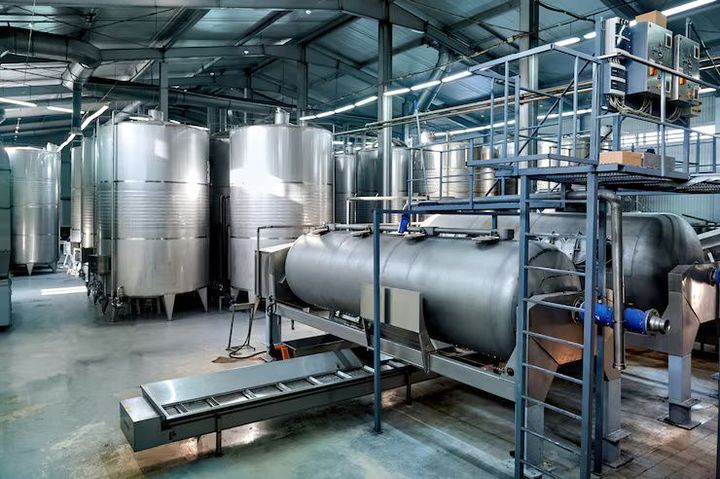
Dairy processing plants rely on equipment that can handle continuous flow and large production volumes. Milk processing machinery suppliers provide systems that support heating, cooling, transfer, and cleaning tasks within these facilities.
Automation and monitoring technologies help plants operate more efficiently.
Reducing Waste
When milk is processed under controlled conditions, less product may be lost due to spoilage or contamination. Efficient pasteurization can support waste reduction across dairy production systems.
This is relevant to both economic planning and environmental management.
How Milk Pasteurization Machines Work
Heating Phase
Milk is heated to a specific temperature for a defined period. The exact combination depends on the pasteurization method used.
This step is carefully controlled because temperature and time determine the effectiveness of the process.
Holding Phase
In many systems, the milk remains at the target temperature long enough to complete the heat treatment.
Industrial milk pasteurizer systems use automated controls to maintain stable conditions during this stage.
Cooling Phase
After heating, the milk is rapidly cooled. Fast cooling helps maintain product quality and prepares the milk for storage or further processing.
Cooling is an essential part of the pasteurization cycle.
Cleaning and Sanitation
Modern systems usually include cleaning-in-place functions that allow equipment to be cleaned without full disassembly. This helps maintain hygiene standards between production runs.
Sanitation remains central to dairy processing.
Main Types of Milk Pasteurization Equipment
Batch Pasteurizers
Batch systems heat a defined volume of milk in a tank. They are often used where production volumes are smaller or more flexible.
These systems are generally simpler in design than continuous processing equipment.
Continuous Pasteurizers
Continuous systems process milk as it flows through the machine. This design supports high-volume production and efficient output.
Many industrial facilities use this method for packaged drinking milk.
Plate Heat Exchangers
Plate heat exchangers are commonly used in continuous systems. They transfer heat efficiently between milk and heating or cooling media.
Their compact design supports space-efficient processing layouts.
Tubular Systems
Tubular pasteurizers use tubes rather than flat plates to heat and cool milk.
These systems are often used for products with higher viscosity or where product characteristics require a different flow design.
Specialized OEM Systems
OEM milk pasteurization machine manufacturers develop equipment tailored to specific plant requirements. These systems may be adapted for different product types, plant sizes, or automation needs.
Customization plays an important role in modern dairy engineering.
Comparison of Pasteurization Approaches
| Equipment Type | General Application | Common Advantage |
| Batch Pasteurizer | Smaller dairy production | Flexible operation |
| Continuous Pasteurizer | High-volume milk processing | Efficient throughput |
| Plate Heat Exchanger | Standard fluid milk lines | Good heat transfer |
| Tubular System | Thicker dairy products | Suitable for viscous fluids |
| OEM Custom System | Specialized facilities | Adapted plant integration |
This comparison shows how different equipment types support different production needs.
Recent Updates
Digital Monitoring
Between 2024 and 2026, industrial milk pasteurizer systems have increasingly included digital sensors and monitoring tools. These technologies track temperature, flow rate, pressure, and cleaning cycles.
This information helps operators maintain consistent process conditions.
Automation Growth
Automation continues to influence dairy pasteurization equipment design. Automated valves, control panels, and alarms support more organized process management.
These improvements are part of a broader trend in food manufacturing.
Energy Efficiency
Dairy processors continue to explore methods that use less energy during heating and cooling. Advanced pasteurization technologies often focus on heat recovery and more efficient thermal management.
Energy planning has become an important operational concern.
Hygiene-Focused Design
Recent equipment designs emphasize cleanability and sanitary construction. Smooth surfaces, sealed connections, and cleaning-in-place systems support these goals.
Hygiene requirements remain central to dairy processing.
Integration with Smart Manufacturing
Some plants now connect pasteurization equipment with broader monitoring networks. This allows data to be shared across multiple systems within the facility.
Such integration supports production visibility.
Laws or Policies
Food Safety Regulations
Pasteurization equipment operates under food safety regulations in most countries. These rules address temperature control, sanitation, recordkeeping, and product handling.
Compliance helps protect consumers and maintain product quality.
Dairy Processing Standards
Many regions have specific standards for dairy production and milk heat treatment. These standards define acceptable methods and monitoring requirements.
Dairy facilities often build their processes around these expectations.
Equipment Certification
Industrial dairy equipment may need to meet engineering and hygiene standards before installation or use.
Certification practices support consistency and reliability.
Environmental Requirements
Milk processing facilities may also follow rules related to wastewater, energy use, and cleaning chemicals. These requirements can influence equipment selection and plant layout.
Environmental management is part of dairy operations planning.
Workplace Safety Rules
Operators and maintenance teams work with heated liquids, pumps, and mechanical systems. Safety standards address machine guarding, training, and emergency procedures.
These measures help reduce workplace risk.
Tools and Resources
Process Control Software
Control software helps operators monitor temperatures, flow rates, and cycle timing during pasteurization.
These systems provide a clear view of operating conditions.
Data Logging Systems
Digital records support traceability and documentation within dairy plants. Logged information can help verify process conditions over time.
Traceability is an important part of food manufacturing.
Technical Standards Publications
Food safety agencies and dairy associations publish guidance on pasteurization procedures, equipment hygiene, and processing requirements.
These resources support operational understanding.
Dairy Engineering References
Technical books, journals, and academic publications explain heat transfer, sanitation, and process design in dairy systems.
They are useful for learning about industrial pasteurization methods.
Plant Design Templates
Engineering templates assist with layout planning, piping design, and process flow organization in dairy facilities.
Structured planning supports efficient equipment integration.
FAQs
What do milk pasteurization machine manufacturers produce?
Milk pasteurization machine manufacturers produce equipment that heats and cools milk under controlled conditions to reduce harmful microorganisms and prepare dairy products for processing.
How do industrial milk pasteurizer systems work?
Industrial milk pasteurizer systems heat milk to a specific temperature for a defined time and then cool it quickly, using automated controls to keep the process consistent.
Why are dairy pasteurization equipment suppliers important?
Dairy pasteurization equipment suppliers support dairy plants with machinery designed for safe milk processing, temperature control, sanitation, and production consistency.
What is food safety pasteurization technology?
Food safety pasteurization technology refers to the equipment and methods used to reduce contamination risks in milk and dairy products through controlled heat treatment.
What role do OEM milk pasteurization machine manufacturers play?
OEM milk pasteurization machine manufacturers develop systems tailored to specific dairy plant needs, including production volume, product type, and control requirements.
Conclusion
Milk pasteurization machines remain a core part of modern dairy production. They help reduce contamination risks, improve product consistency, and support efficient processing across different plant sizes. Advances in automation, energy management, and sanitation design continue shaping the equipment used in dairy facilities. As food safety expectations remain important, pasteurization technology will continue to play a central role in milk processing.