Mining Work Industry Details: Minerals, Machinery, and Methods
The mining industry is a major global sector focused on the extraction of valuable minerals, metals, and geological materials from the earth. These materials include iron ore, copper, gold, coal, lithium, bauxite, and rare earth elements. Mining work exists to supply raw materials used in infrastructure, energy production, transportation, electronics, and manufacturing.
Mining operations generally fall into two main categories:
Surface Mining
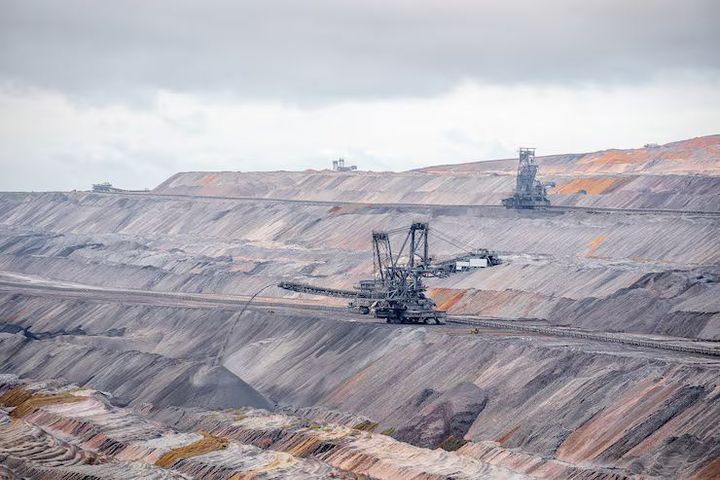
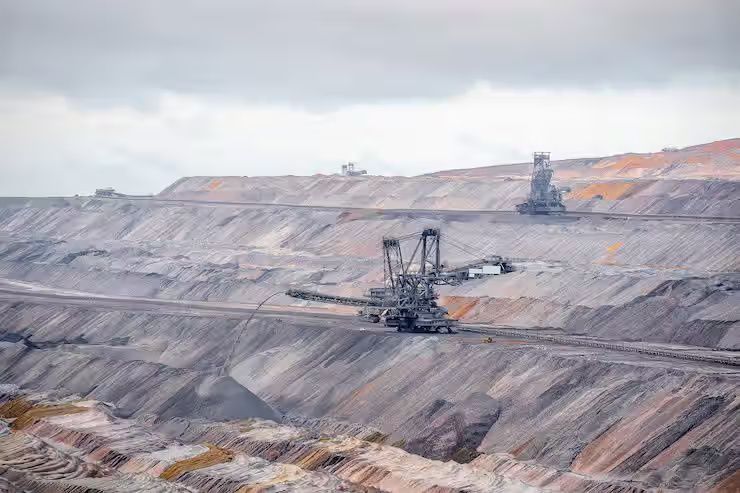
Surface mining is used when minerals are located close to the earth’s surface. It involves removing soil and rock layers to access valuable deposits.
Underground Mining
Underground mining is used when mineral deposits are deep below ground. It requires tunnels and shafts to reach the resources safely.
Major mining regions include Australia, Canada, China, India, and Brazil. These countries contribute significantly to global mineral production and export markets.
Typical Mining Workflow
The mining process usually follows several key stages:
- Geological surveys and mineral exploration
- Resource estimation and feasibility studies
- Extraction using heavy mining equipment
- Crushing, grinding, and mineral processing
- Transportation and logistics
Mining companies also rely on advanced technologies, environmental impact assessments, and safety regulations to ensure efficient operations.
Importance of Mining in the Modern Economy
Mining plays a critical role in global economic development. Many modern industries depend on minerals for production and innovation.
Key Contributions of Mining
Mining remains important for several reasons:
- Energy transition materials: Lithium, cobalt, and nickel support battery storage and electric mobility
- Construction and infrastructure: Steel production depends on iron ore and coal
- Technology manufacturing: Copper and rare earth elements are essential for electronics
- Employment and development: Mining supports jobs and local economies
Mineral Usage by Industry
| Mineral Type | Common Uses | Related Industry Sector |
|---|---|---|
| Iron Ore | Steel manufacturing | Construction & Infrastructure |
| Copper | Electrical wiring, renewable energy | Power & Electronics |
| Lithium | Battery production | Electric Vehicles & Storage |
| Gold | Electronics, finance reserves | Technology & Investment |
| Coal | Energy generation, steelmaking | Power & Industrial Processing |
Mining also helps address global challenges such as resource security and supply chain stability. Governments increasingly focus on domestic mineral exploration.
Mining Machinery and Extraction Methods
Mining operations rely on heavy equipment and advanced engineering systems. The type of machinery used depends on geological conditions and deposit location.
Common Mining Machinery
Typical equipment used in mining includes:
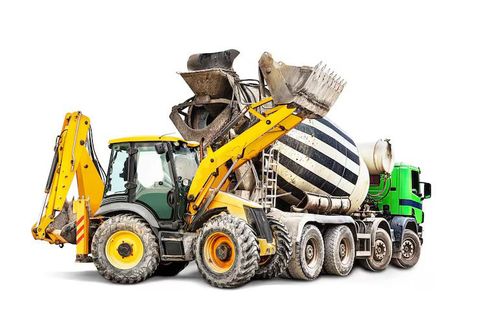
- Hydraulic excavators
- Draglines
- Drilling rigs
- Haul trucks
- Loaders
- Conveyor belt systems
- Crushers and grinding mills
Main Extraction Methods
Different extraction methods are used depending on the resource:
- Open-pit mining: Suitable for large, shallow deposits
- Strip mining: Commonly used for coal
- Room-and-pillar mining: Used in underground coal extraction
- Longwall mining: Automated underground coal extraction
- Heap leaching: Used for gold and copper recovery
Modern Technological Integration
Mining operations are increasingly using advanced technologies:
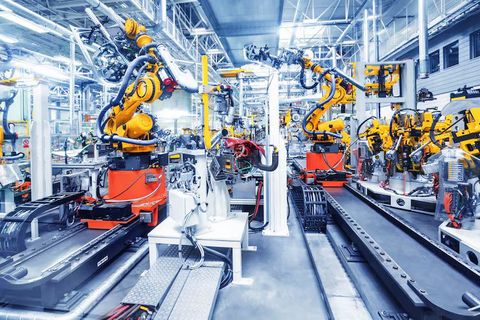
- Automated drilling systems
- Remote monitoring technology
- Artificial intelligence for ore analysis
- GPS-based fleet management
These innovations improve efficiency, safety, and accuracy in mining operations.
Recent Updates and Industry Trends (2025–2026)
The global mining industry has experienced several key developments in recent years.
Critical Minerals Focus (2025)
Governments increased investment in lithium, cobalt, and rare earth exploration to support electric vehicles and renewable energy.
Digital Mining Transformation (2025)
Companies expanded the use of automation and AI-based systems for predictive maintenance and mineral processing.
Sustainability and ESG Reporting (2025–2026)
Environmental, Social, and Governance (ESG) practices became more prominent. Companies improved transparency in environmental reporting and carbon reduction strategies.
Battery Mineral Expansion Projects (2026)
Exploration activities for lithium and nickel increased to support growing global battery demand.
Water Management Improvements
New technologies were introduced to improve filtration and manage mining waste more effectively.
These trends highlight a shift toward sustainable and responsible mining practices.
Laws and Policies Affecting the Mining Sector
Mining is regulated by national and regional authorities to ensure safety and environmental protection.
Regulatory Frameworks by Country
- India: Governed by the Mines and Minerals (Development and Regulation) Act
- Australia: Strict environmental and indigenous land protection laws
- Canada: Federal and provincial regulations for permits and environmental monitoring
Common Regulatory Requirements
Mining companies must typically follow:
- Environmental impact assessments
- Worker safety standards
- Land rehabilitation planning
- Water usage monitoring
- Emission reporting
These regulations aim to balance resource extraction with environmental sustainability.
Tools and Resources for Mining Industry Research
Professionals use various tools and platforms to study mining trends and operations.
Commonly Used Tools
- Geological mapping software
- Mineral resource estimation tools
- GIS-based mine planning systems
- Environmental monitoring dashboards
- Commodity market analytics platforms
Global Industry Resources
- World Mining Congress – Research and global data
- International Energy Agency – Reports on energy and minerals
- Ministry of Mines – National policies and updates
These resources provide valuable insights into production, safety, and regulatory developments.
Production Trend Overview
Global mineral demand has shifted significantly in recent years.
Example Demand Index Trends
| Year | Lithium Demand Index | Copper Demand Index | Iron Ore Demand Index |
|---|---|---|---|
| 2022 | 100 | 100 | 100 |
| 2023 | 120 | 108 | 103 |
| 2024 | 145 | 115 | 105 |
| 2025 | 170 | 122 | 107 |
This data illustrates rapid growth in battery-related minerals compared to traditional resources.
Frequently Asked Questions
What is the difference between surface mining and underground mining?
Surface mining removes material above deposits, while underground mining uses tunnels to access deeper resources.
Why are critical minerals important for renewable energy?
They are essential for batteries, wind turbines, and solar technologies.
How does mining impact the environment?
Mining can affect land, water, and air quality, but regulations help reduce risks.
What is mineral processing?
It involves crushing, grinding, and separating valuable minerals from waste rock.
How is technology improving mining safety?
Automation and remote systems reduce human exposure to hazardous conditions.
Conclusion
The mining industry remains a fundamental part of the global economy. It supports infrastructure, energy systems, and modern technology through mineral extraction and processing.
Recent developments show a strong focus on sustainability, digital transformation, and regulatory compliance. As demand for critical minerals continues to grow, mining practices are evolving to meet both economic and environmental needs.
Understanding mining methods, machinery, and regulations helps explain how raw materials reach global markets. With continued innovation and responsible practices, the industry is adapting to future challenges while maintaining safety and efficiency.