Workplace Noise Monitoring Overview: Important Facts Every Organization Should Know
Workplace noise monitoring is the process of measuring and evaluating sound levels in work environments.
It is an important part of occupational health and safety because excessive noise can affect hearing, communication, concentration, and overall workplace conditions. Industries such as manufacturing, construction, transportation, mining, and logistics often use workplace noise monitoring to understand sound exposure and identify areas where improvements may be needed.
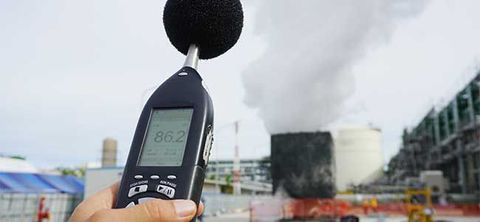
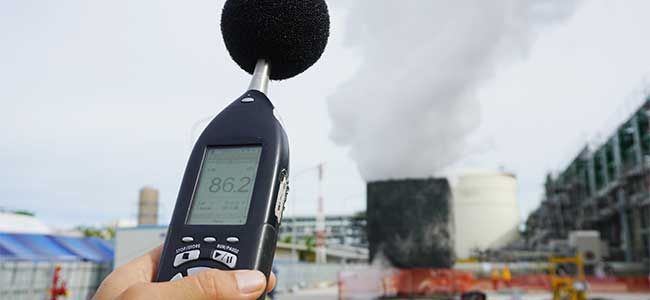
A workplace noise monitoring system combines different methods and equipment to measure sound accurately. Organizations may use industrial noise monitoring, workplace noise assessment, and employee noise exposure monitoring to compare sound levels with applicable workplace safety compliance requirements. Tools such as a sound level meter and a noise dosimeter help collect information that supports informed decisions about workplace environments.
Context
Understanding workplace noise monitoring
Noise has always been present wherever machines, equipment, vehicles, or industrial processes operate. As workplaces became more automated and production activities increased, measuring sound levels became an important part of maintaining safe working conditions.
Workplace noise monitoring focuses on collecting accurate sound measurements rather than simply identifying whether an area is noisy. The information gathered through industrial noise measurement helps organizations understand how noise changes throughout the workday and how employees may be exposed to different sound levels during various activities.
How workplace noise monitoring works
A workplace noise monitoring system generally follows several steps:
- Identify areas where noise levels may be elevated.
- Measure sound using a sound level meter.
- Monitor individual employee exposure with a noise dosimeter when appropriate.
- Compare results with applicable workplace guidelines.
- Record findings for future workplace noise assessment and industrial hygiene monitoring.
These activities create a structured approach that helps organizations better understand workplace sound conditions.
Common workplace noise sources
Noise levels vary depending on the working environment. Common examples include:
- Heavy machinery
- Compressors and generators
- Manufacturing equipment
- Power tools
- Conveyor systems
- Vehicle movement
- Ventilation systems
- Processing equipment
Each source contributes differently to overall workplace sound monitoring, making regular assessment useful for understanding changing conditions.
Importance
Why workplace noise monitoring matters
Excessive noise can make verbal communication more difficult and may reduce awareness of warning signals or alarms. Long-term exposure to high sound levels may also affect hearing, depending on the duration and intensity of exposure.
Occupational noise monitoring provides information that helps organizations understand these conditions rather than relying on assumptions. Accurate industrial noise monitoring supports informed workplace planning and helps identify areas where additional attention may be appropriate.
Benefits of workplace noise assessment
A structured workplace noise assessment can support several objectives:
- Better understanding of employee noise exposure monitoring results.
- Identification of areas with changing sound levels.
- Improved planning for workplace layout.
- Documentation for workplace safety compliance.
- Support for occupational health and safety programs.
- Better awareness of environmental noise monitoring around facilities.
Different industries that use noise monitoring
Industrial noise measurement is relevant across many sectors, including:
| Industry | Common Noise Sources | Typical Monitoring Method |
|---|---|---|
| Manufacturing | Production machines | Sound level meter |
| Construction | Power equipment | Noise dosimeter |
| Mining | Drilling equipment | Occupational noise monitoring |
| Transportation | Vehicles and loading equipment | Workplace sound monitoring |
| Warehousing | Conveyor systems | Workplace noise assessment |
| Energy | Turbines and generators | Industrial hygiene monitoring |
Because work environments vary significantly, monitoring methods are often selected according to the activities taking place within each location.
Recent Updates
Greater use of digital monitoring
Recent developments have focused on digital workplace noise monitoring systems that automatically collect and organize sound information. Instead of relying entirely on manual measurements, many organizations now use connected monitoring equipment capable of storing data for future analysis.
Digital systems also make it easier to compare sound levels over longer periods and identify recurring patterns.
Integration with workplace safety programs
Industrial noise monitoring is increasingly being combined with broader occupational health and safety initiatives. Rather than treating noise as a separate topic, organizations often include workplace sound monitoring alongside air quality, temperature, lighting, and industrial hygiene monitoring.
This integrated approach provides a broader understanding of workplace conditions.
Continuous environmental monitoring
Environmental noise monitoring has become more common in locations where industrial activities operate near surrounding communities. Continuous monitoring helps organizations understand how external sound levels change during different operating conditions while supporting environmental planning.
Improved monitoring equipment
Modern sound level meter designs and wearable noise dosimeter devices have become more compact and capable of recording larger amounts of measurement data. Many instruments now include digital displays, automatic logging, and reporting functions that simplify workplace noise assessment.
Laws or Policies
Occupational health and safety requirements
Many countries include workplace noise exposure within occupational health and safety regulations. Although specific limits vary, regulations generally require organizations to evaluate workplace noise when employees may be exposed to elevated sound levels.
These regulations commonly include:
- Workplace noise assessment.
- Employee noise exposure monitoring.
- Documentation of measurement results.
- Periodic industrial noise measurement.
- Review of workplace safety compliance.
Environmental regulations
Environmental noise monitoring may also be required in certain industrial locations to understand sound levels outside facility boundaries. These requirements differ between countries and local authorities but generally focus on reducing unnecessary environmental impact.
International guidance
Several internationally recognized standards describe accepted methods for industrial noise measurement and occupational noise monitoring. These standards help create consistent measurement procedures, allowing organizations to compare results more effectively across different workplaces.
Because regulations differ between countries, organizations typically follow the rules established by their national occupational safety authorities.
Tools and Resources
Common monitoring equipment
Several tools support workplace noise monitoring activities.
- Sound level meter: Measures sound pressure levels within a specific area during workplace activities.
- Noise dosimeter: Worn by an employee to measure personal noise exposure throughout a working period.
- Acoustic calibrator: Confirms that measurement instruments are functioning correctly before and after use.
- Data logging software: Organizes measurement information into reports for workplace noise assessment.
- Environmental monitoring stations: Record outdoor sound levels over extended periods.
Digital resources
Organizations frequently use digital resources to support occupational noise monitoring, including:
- Workplace inspection templates
- Noise assessment checklists
- Exposure calculation worksheets
- Occupational health and safety documentation
- Industrial hygiene monitoring records
- Environmental reporting platforms
These resources help organize measurement information and maintain consistent documentation across multiple assessments.
FAQs
What is workplace noise monitoring?
Workplace noise monitoring is the process of measuring sound levels within a work environment to understand employee exposure and evaluate workplace conditions using appropriate measurement methods.
What is a workplace noise monitoring system?
A workplace noise monitoring system combines equipment such as a sound level meter, noise dosimeter, software, and reporting tools to collect, store, and review workplace sound information.
What is the difference between a sound level meter and a noise dosimeter?
A sound level meter measures sound levels in a particular location at a specific time. A noise dosimeter measures an individual's noise exposure throughout a working period while the device is worn.
Why is occupational noise monitoring important?
Occupational noise monitoring helps organizations understand employee noise exposure monitoring results, supports occupational health and safety programs, and contributes to workplace safety compliance through accurate measurement.
How often should workplace noise assessment be performed?
The frequency depends on workplace activities, equipment changes, operational conditions, and applicable regulations. Assessments are commonly repeated when significant workplace changes may affect industrial noise measurement results.
Conclusion
Workplace noise monitoring provides a structured way to understand sound exposure in different work environments. Through workplace noise assessment, industrial noise monitoring, and employee noise exposure monitoring, organizations can collect accurate information about workplace sound conditions. Equipment such as a sound level meter and a noise dosimeter supports reliable industrial noise measurement and environmental noise monitoring. Together, these activities contribute to occupational health and safety by providing consistent information for workplace safety compliance.