Mixing Vessels Resources: Advice, Knowledge, and Practical Recommendations
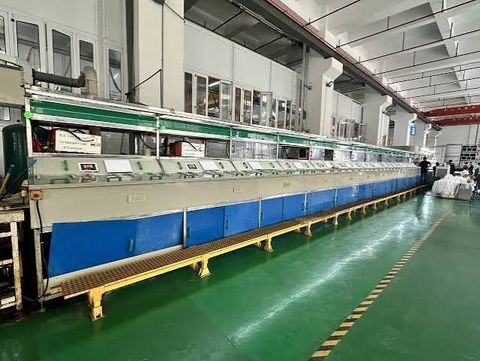
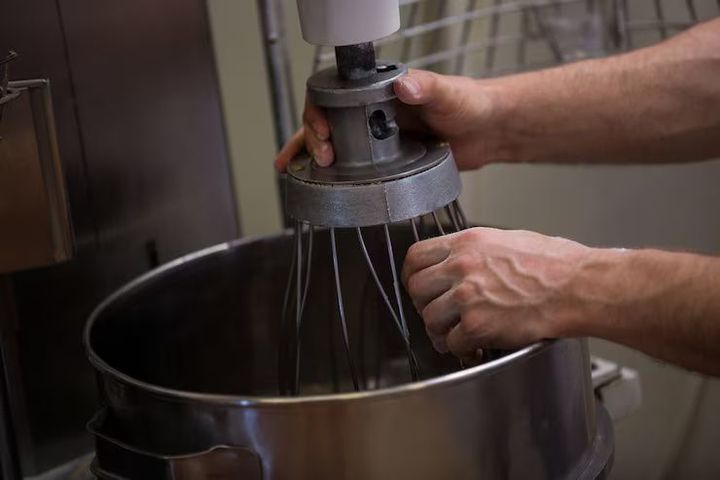
Mixing vessels are containers designed to combine liquids, powders, or semi-solid materials into a uniform mixture. The equipment appears across many industries, including food processing, chemicals, biotechnology, cosmetics, and pharmaceuticals.
Discussions about mixing vessel manufacturers often focus on design features, material compatibility, and operational requirements rather than individual brands.
Industrial mixing vessels can vary in size, shape, and internal components. Some units handle gentle blending, while others support high-shear processes or temperature-controlled reactions. Their development reflects the growing need for consistent production methods and reliable product quality.
Pharmaceutical mixing vessels represent a specialized category. These systems commonly incorporate hygienic surfaces, controlled environments, and documentation practices aligned with health regulations. Similar principles also influence other sectors where cleanliness and traceability are important.
Historical Development of Mixing Technology
Early mixing methods relied on manual stirring and simple mechanical devices. As industrial production expanded, larger vessels with powered agitators became common. The introduction of stainless steel construction improved durability and hygiene.
Modern facilities now use automated controls, sensors, and digital monitoring. Turnkey mixing plant solutions have emerged as integrated approaches that combine vessels, piping, automation systems, and process coordination into a unified framework.
Common Types of Industrial Mixing Vessels
Different applications require different vessel designs. Typical categories include:
- Vertical tanks with top-entry agitators for liquid blending.
- Jacketed vessels for heating or cooling during processing.
- High-shear mixers for emulsions and fine dispersions.
- Vacuum mixing systems that reduce air incorporation.
- Sanitary vessels used in food and pharmaceutical environments.
Advanced industrial mixing technologies continue to refine these designs through improved control systems and energy management practices.
Importance
Why Mixing Vessels Matter
Mixing equipment supports many products that people encounter in everyday life. Food ingredients, personal care items, medicines, paints, and cleaning compounds often depend on carefully managed blending processes.
Consistent mixing influences texture, stability, safety, and functionality. Without appropriate equipment, products may separate, react unevenly, or fail to meet established quality requirements.
Impact Across Industries
Industrial mixing vessels contribute to multiple sectors:
- Food production relies on mixing for beverages, dairy products, sauces, and bakery ingredients.
- Chemical facilities use vessels for reactions, suspensions, and liquid formulations.
- Water treatment operations prepare chemical mixtures for purification processes.
- Cosmetic manufacturing depends on controlled blending for creams and lotions.
- Pharmaceutical mixing vessels support sterile or highly controlled environments.
The widespread use of these systems demonstrates their importance within modern manufacturing networks.
Addressing Production Challenges
Manufacturers often face challenges related to consistency, hygiene, scalability, and energy use. Proper vessel design helps address these concerns.
Agitator selection, internal geometry, and process controls influence mixing efficiency. Advanced industrial mixing technologies increasingly integrate sensors that monitor temperature, viscosity, and flow conditions in real time.
Recent Updates
Growth of Digital Monitoring
Recent trends show broader adoption of digital tools within mixing operations. Sensors connected to industrial networks allow operators to observe equipment performance continuously.
Data collection supports predictive maintenance planning and helps identify variations before they affect production outcomes. This approach contributes to more stable operations across many facilities.
Expansion of Hygienic Designs
Pharmaceutical mixing vessels and food-processing systems continue to emphasize cleanability. Smooth internal finishes, specialized seals, and automated cleaning processes have become more common.
These developments support regulatory expectations and help maintain consistent sanitation practices throughout production cycles.
Energy Efficiency Improvements
Modern vessel designs increasingly focus on energy management. Variable-speed drives enable mixers to operate according to process requirements rather than fixed conditions.
Improved impeller configurations also contribute to efficient mixing patterns. Such developments reduce unnecessary energy consumption while maintaining desired product characteristics.
Integration Through Turnkey Mixing Plant Solutions
Turnkey mixing plant solutions have gained attention as organizations seek coordinated systems rather than isolated equipment. Integrated designs connect vessels, instrumentation, material handling, and control platforms.
The approach simplifies communication among components and supports standardized operating procedures across production facilities.
Comparative Overview of Mixing Vessel Types
| Vessel Type | Common Application | Key Characteristic |
|---|---|---|
| Jacketed vessel | Food and pharmaceuticals | Temperature regulation |
| High-shear mixer | Emulsions and creams | Fine particle dispersion |
| Vacuum mixer | Sensitive formulations | Reduced air inclusion |
| Stainless steel tank | Chemical processing | Corrosion resistance |
| Sanitary vessel | Hygienic industries | Easy cleaning procedures |
Laws or Policies
Safety Standards and Equipment Design
Mixing equipment operates within various regulatory frameworks. National workplace safety authorities establish requirements concerning mechanical systems, electrical installations, and operator protection.
Industrial facilities frequently follow internationally recognized standards for machinery safety and risk management. Documentation, maintenance records, and inspection procedures form important parts of these practices.
Food and Pharmaceutical Regulations
Pharmaceutical mixing vessels and food-related systems often follow additional guidance regarding materials, cleanliness, and traceability. Stainless steel grades, weld quality, and cleaning procedures receive particular attention.
Regulatory agencies in different countries maintain requirements designed to protect public health and maintain product integrity throughout manufacturing processes.
Environmental Considerations
Environmental policies influence energy consumption, waste management, and emissions associated with industrial operations. Efficient equipment design can support compliance with sustainability objectives.
Water use, cleaning procedures, and material handling methods may also fall under environmental regulations depending on local requirements.
Tools and Resources
Digital Process Platforms
Modern facilities use software platforms that track mixing parameters and operational records. These systems help maintain consistency and support process analysis.
Examples include manufacturing execution systems, industrial data historians, and supervisory control applications.
Engineering References and Standards
Technical organizations publish guidelines covering vessel design, pressure requirements, sanitary construction, and mechanical integrity. Engineers frequently consult these resources during project planning.
Reference materials often include:
- Mechanical design standards.
- Hygienic equipment guidelines.
- Process safety documentation.
- Material compatibility databases.
- Industrial automation frameworks.
Simulation and Modeling Tools
Computer modeling tools allow engineers to examine fluid movement within industrial mixing vessels. Computational methods help estimate mixing patterns, temperature distribution, and particle suspension behavior.
These analyses support informed decisions during equipment development and facility planning.
Educational Resources
Universities, professional associations, and technical institutes provide learning materials related to mixing science. Topics commonly include fluid dynamics, process engineering, and industrial automation.
Such resources contribute to broader understanding of advanced industrial mixing technologies and their practical applications.
FAQs
What do mixing vessel manufacturers typically produce?
Mixing vessel manufacturers develop equipment for blending liquids, powders, and semi-solid materials across industries such as food processing, chemicals, cosmetics, and pharmaceuticals. Designs vary according to process requirements and material characteristics.
How are pharmaceutical mixing vessels different from standard industrial units?
Pharmaceutical mixing vessels generally emphasize hygienic construction, controlled environments, and detailed documentation practices. Smooth internal surfaces and specialized cleaning procedures are common features.
What are turnkey mixing plant solutions?
Turnkey mixing plant solutions combine vessels, piping networks, instrumentation, automation systems, and supporting equipment into an integrated production arrangement. The goal is coordinated operation across the entire process.
How do advanced industrial mixing technologies improve operations?
Advanced industrial mixing technologies incorporate sensors, digital controls, variable-speed drives, and data analysis tools. These features help monitor process conditions and support consistent production outcomes.
Why are stainless steel materials widely used in industrial mixing vessels?
Stainless steel provides corrosion resistance, durability, and ease of cleaning. These characteristics make it suitable for food, pharmaceutical, chemical, and biotechnology environments.
Conclusion
Mixing vessels remain fundamental components within modern industrial production. Their designs have evolved from simple mechanical systems to digitally connected equipment with sophisticated monitoring capabilities. Industrial mixing vessels support diverse sectors, including food processing, chemicals, and pharmaceuticals. Developments in automation, hygiene, and energy management continue to shape the field, while advanced industrial mixing technologies contribute to more consistent and efficient operations. Understanding these systems helps explain their significant role in contemporary manufacturing environments.