Modern car safety technology refers to the systems and features designed to reduce road risks, prevent collisions, and protect passengers during travel. Over the past several decades, vehicles have evolved from simple mechanical machines into complex systems that combine sensors, software, and electronic controls. These technologies aim to assist drivers in maintaining awareness, avoiding hazards, and minimizing injuries when accidents occur.
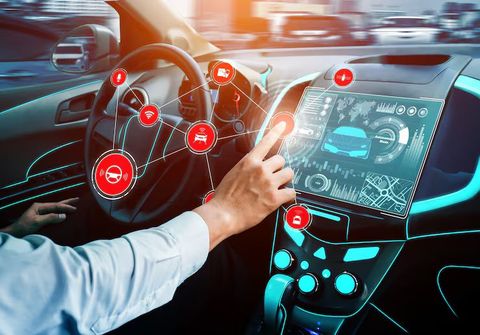
Many modern vehicles now include safety systems that actively monitor the road environment. Cameras, radar sensors, and computer algorithms analyze surrounding traffic conditions and respond faster than human reaction time in some situations. Features such as automatic braking, lane monitoring, and driver alerts have become common in newer vehicles.
Organizations such as National Highway Traffic Safety Administration and Euro NCAP evaluate vehicle safety features and publish results that help the public understand how modern car safety technology performs in real-world situations. These evaluations encourage manufacturers to continue improving safety systems.
Understanding modern car safety technology helps drivers and passengers recognize how vehicles protect them and how these systems work together to reduce the impact of road accidents.
Importance
Road transportation plays a major role in daily life worldwide. Millions of vehicles travel on roads each day, creating situations where human error, distraction, and environmental conditions can lead to accidents. Modern car safety technology helps address these risks by supporting driver awareness and improving vehicle control.
Many safety technologies focus on accident prevention rather than only protecting occupants during a crash. Systems that detect obstacles, monitor driver behavior, or automatically adjust speed help reduce the likelihood of dangerous situations.
Modern car safety technology benefits different groups of road users:
- Drivers: Assistance systems help maintain lane position, detect nearby vehicles, and warn about hazards.
- Passengers: Structural protection features such as airbags and reinforced vehicle frames reduce injury risk.
- Pedestrians and cyclists: Sensors and braking systems may detect vulnerable road users and slow the vehicle automatically.
- Urban traffic systems: Vehicles equipped with safety technology may contribute to safer traffic flow through improved driver awareness.
These technologies also address challenges associated with increasing traffic density in many cities. As more vehicles share limited road space, advanced safety systems help drivers maintain safe distances and respond more effectively to unexpected situations.
Another important aspect of modern car safety technology is its role in reducing severe injuries during accidents. Passive safety systems, such as airbags and reinforced body structures, are designed to absorb impact energy and protect occupants.
The combination of active and passive safety technologies has significantly changed how vehicles handle road hazards and crash scenarios.
Recent Updates
Modern car safety technology continues to evolve as vehicles integrate advanced electronics, artificial intelligence, and improved sensor capabilities. Between 2024 and 2026, several trends have shaped the development of safety systems in passenger vehicles.
One notable trend is the increasing use of advanced driver assistance systems, often referred to as ADAS. These systems combine multiple sensors and software programs to monitor road conditions and assist drivers in complex situations.
Expansion of sensor-based safety systems
Modern vehicles now use multiple sensing technologies working together. These include cameras, radar units, and sometimes lidar sensors that analyze distance, movement, and road markings.
Common examples of sensor-based safety features include:
- Automatic emergency braking: Detects potential collisions and applies braking force if the driver does not react in time.
- Lane departure alerts: Notifies drivers when the vehicle begins drifting outside lane markings.
- Blind spot monitoring: Detects vehicles in areas not visible through mirrors.
- Rear cross-traffic alerts: Warns drivers when other vehicles approach from the side while reversing.
Integration with driver monitoring
Driver monitoring systems have gained attention in recent years. These systems use cameras or steering behavior analysis to determine whether the driver remains attentive.
For example, systems may alert the driver if signs of fatigue or distraction appear. This technology has become more common as vehicles incorporate partial automation features.
Development of assisted driving systems
Some manufacturers have expanded assisted driving technologies that help maintain speed and lane position simultaneously. Systems such as Tesla Autopilot illustrate how vehicles combine radar, cameras, and software to assist drivers on highways.
Although these systems can support driving tasks, they still require active driver supervision. Modern car safety technology is generally designed as assistance rather than full automation.
Data-driven safety research
Organizations such as Insurance Institute for Highway Safety analyze real accident data to evaluate how safety systems perform under real conditions. This research helps guide improvements in crash prevention technologies and vehicle design.
Overall, current trends show increasing integration of intelligent software and sensor networks in vehicle safety systems.
Laws or Policies
Vehicle safety technology is influenced by regulations and testing standards developed by government agencies and safety organizations. These rules encourage manufacturers to include certain safety features and ensure vehicles meet safety requirements before entering the market.
Safety regulations and crash testing
In many regions, vehicles must pass crash testing programs that evaluate occupant protection and collision performance. Organizations such as National Highway Traffic Safety Administration and Euro NCAP conduct crash simulations and real collision tests to assess vehicle safety.
These evaluations typically measure:
- Structural protection during frontal and side impacts
- Effectiveness of airbags and seatbelts
- Protection for pedestrians and cyclists
- Performance of driver assistance technologies
Crash testing programs publish ratings that help the public understand how vehicles perform in controlled safety tests.
Emerging requirements for driver assistance systems
Some regions have introduced policies encouraging or requiring certain safety technologies. These may include features such as automatic emergency braking, lane support systems, or driver monitoring systems in newer vehicle models.
These regulations aim to reduce road accidents and improve traffic safety by increasing the presence of advanced safety features.
Data transparency and safety reporting
Regulatory agencies often require manufacturers to report safety data related to automated or assisted driving technologies. These reports help authorities evaluate how new technologies interact with real-world traffic conditions.
By monitoring safety performance, regulators can update rules as technology evolves and ensure vehicles maintain consistent safety standards.
Tools and Resources
Several tools and information platforms help drivers understand modern car safety technology and evaluate safety features in different vehicles. These resources provide educational material, crash test results, and research findings related to road safety.
Vehicle safety rating platforms
Public safety organizations maintain databases that evaluate vehicle performance in crash tests and safety technology assessments.
Common examples include:
- Crash test ratings: Published by organizations such as Euro NCAP and National Highway Traffic Safety Administration.
- Vehicle safety research reports: Provided by Insurance Institute for Highway Safety.
These platforms explain how safety technologies perform under controlled testing conditions.
Driver education platforms
Educational resources help drivers understand how advanced safety systems operate and how to interact with them correctly.
These materials often include:
- Interactive explanations of safety technologies
- Video demonstrations of driver assistance features
- Research summaries explaining accident prevention systems
Data comparison tools
Some automotive research platforms provide comparison tools that summarize safety technologies available across different vehicle categories.
Example information categories include:
| Safety Technology | Main Function | Example Use |
|---|---|---|
| Automatic Emergency Braking | Detects collision risk and applies brakes | Prevents rear-end collisions |
| Lane Departure Warning | Alerts when vehicle drifts from lane | Highway driving assistance |
| Blind Spot Monitoring | Detects vehicles outside mirror view | Lane changes |
| Adaptive Cruise Control | Adjusts speed based on traffic distance | Long-distance driving |
| Driver Monitoring Systems | Detects driver fatigue or distraction | Long trips or nighttime travel |
These tools help readers understand how modern car safety technology contributes to accident prevention and occupant protection.
FAQs
What is modern car safety technology?
Modern car safety technology refers to electronic and mechanical systems designed to reduce accident risk and protect vehicle occupants. These technologies include driver assistance systems, collision detection sensors, automatic braking features, and structural protection systems.
How do modern car safety technologies prevent accidents?
Many systems monitor the surrounding environment using cameras, radar, or other sensors. If a potential hazard appears, the vehicle may warn the driver or automatically apply braking or steering adjustments to reduce collision risk.
What is the difference between active and passive safety systems?
Active safety systems help prevent accidents before they occur. Examples include automatic braking and lane monitoring. Passive safety systems protect occupants during an accident, such as airbags, seatbelts, and reinforced vehicle structures.
Are driver assistance systems fully automated?
Most modern car safety technology provides assistance rather than complete automation. Drivers remain responsible for monitoring the road and controlling the vehicle even when assistance systems are active.
How are modern car safety technologies evaluated?
Safety organizations conduct crash testing and real-world data analysis to evaluate vehicle safety features. Programs run by organizations such as Euro NCAP and National Highway Traffic Safety Administration measure vehicle performance in various collision scenarios.
Conclusion
Modern car safety technology has transformed how vehicles respond to road hazards and protect passengers. Advances in sensors, software, and vehicle design allow cars to detect risks and assist drivers in avoiding accidents. Regulatory programs and safety testing organizations play an important role in evaluating these technologies and promoting improvements. As research and development continue, safety systems are expected to remain an important part of vehicle design and road safety strategies.