Modern Living Room Storage Concepts: Explore Smart Ideas for Organized and Stylish Spaces
Modern living room storage concepts focus on organizing everyday items while maintaining a clean, visually balanced interior design. The living room is often the central area of a home where family members gather, guests are welcomed, and entertainment activities occur. Because of this multifunctional role, storage solutions are designed to keep the space tidy without compromising aesthetics.
Historically, living room storage mainly relied on basic cabinets or shelves. However, modern interior design has shifted toward multifunctional furniture, hidden compartments, and modular layouts. These solutions help maximize available space while maintaining a minimalist appearance.
Modern storage concepts aim to manage a variety of items commonly found in living rooms. These include everyday essentials as well as decorative elements that contribute to the room’s aesthetic.
Common Items Stored in Living Rooms
- Books and magazines
- Electronic devices
- Decorative objects
- Remote controls and accessories
- Media equipment
- Household essentials
Design professionals often combine smart furniture design with modular shelving systems. This approach ensures both style and functionality while keeping the space organized.
Why Living Room Storage Matters in Modern Homes
Living room storage has become increasingly important as homes evolve into multifunctional spaces. Many households now use living rooms for remote work, entertainment, relaxation, and social activities. Without proper storage planning, these spaces can quickly become cluttered.
Modern storage concepts address several practical challenges faced in today’s homes. They also support minimalist living by reducing unnecessary visual clutter.
Common Challenges Addressed
- Limited space in apartments and urban homes
- Increasing number of digital and entertainment devices
- Need for flexible room layouts
- Desire for minimalist interior design
Who Benefits Most
- Families with children
- Apartment residents
- Remote workers using shared spaces
- Interior design enthusiasts
- Homeowners focused on minimalist décor
Well-designed storage systems improve organization, efficiency, and space optimization. They also enhance visual balance by integrating storage into furniture or architectural elements.
Types of Living Room Storage Solutions
Modern living room storage solutions are designed to balance practicality with visual appeal. Different storage types serve different purposes depending on the layout and usage of the room.
Storage Types and Their Uses
| Storage Type | Purpose | Example Use |
|---|---|---|
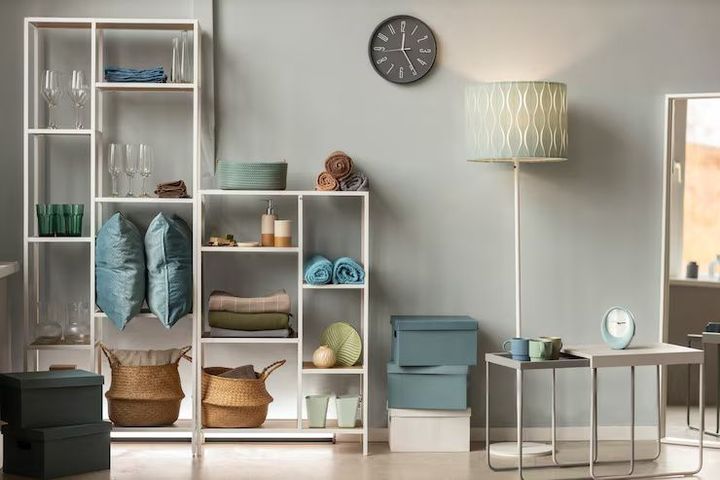
| Modular shelving | Flexible organization | Books, décor items |
| Media storage units | Organize electronics | TV accessories |
| Hidden storage furniture | Reduce visible clutter | Ottomans, benches |
| Wall-mounted cabinets | Save floor space | Decorative displays |
| Built-in storage walls | Large-scale organization | Books, entertainment units |
These solutions help maintain both style and functionality in contemporary living spaces.
Recent Trends in Living Room Storage Design
Recent interior design reports from 2024 and early 2025 highlight several emerging trends. These trends reflect the growing demand for efficient and visually appealing storage solutions.
One major trend is the use of multifunctional furniture. Designers are incorporating hidden compartments within everyday furniture to maximize usability.
Another important trend is vertical storage. By utilizing wall space, homeowners can maintain open layouts while increasing storage capacity.
Key Innovations in Storage Design
- Integrated cable management systems
- Wireless charging stations
- Smart lighting within shelves
- Adjustable modular panels
Sustainability is also shaping modern storage solutions. Many designs now use eco-friendly materials such as engineered wood and recycled components.
Storage Trends Overview
| Storage Trend | Popularity in 2025 |
|---|---|
| Multifunctional furniture | Very High |
| Vertical wall storage | High |
| Minimalist storage design | High |
| Hidden compartments | Moderate |
| Smart storage furniture | Growing |
Regulations and Housing Policies Affecting Storage Design
Living room storage design is influenced by various building regulations and housing policies. These rules ensure safety, durability, and environmental responsibility.
Building codes often regulate structural and electrical aspects of storage installations. This is especially important for wall-mounted units and smart furniture systems.
Key Regulatory Factors
- Wall load capacity for mounted shelves or cabinets
- Electrical safety for integrated lighting or charging systems
- Fire safety standards in furniture materials
Environmental policies also play a role in furniture manufacturing. Many regulations focus on sustainable materials and low-emission finishes.
Common Compliance Considerations
- Indoor air quality standards
- Sustainable forestry certifications
- Safety standards for wall-mounted fixtures
- Recycling policies for furniture materials
Helpful Tools and Resources for Storage Planning
Planning living room storage requires a combination of design tools and practical strategies. Digital tools are especially useful for visualizing layouts and testing different configurations.
These tools help homeowners make informed decisions before implementing storage solutions. They also improve accuracy in space planning and furniture selection.
Useful Planning Tools
- Room layout planners
- Interior design apps with 3D visualization
- Space measurement calculators
- Storage planning templates
- Material selection guides
Tool Comparison Table
| Tool Type | Purpose |
|---|---|
| 3D room planners | Visualize room layouts |
| Interior design apps | Create furniture arrangements |
| Measurement calculators | Determine available space |
| Storage templates | Organize household items |
| Material guides | Select suitable materials |
Zone Planning Method
Interior designers often recommend dividing the living room into functional zones. This method improves organization and usability.
- Entertainment zone
- Reading zone
- Display area
- Hidden storage area
Frequently Asked Questions About Living Room Storage Concepts
What are modern living room storage concepts?
Modern living room storage concepts refer to design strategies that organize items efficiently while maintaining a clean and stylish appearance. These include modular shelving, hidden compartments, and multifunctional furniture.
How can storage improve living room organization?
Effective storage systems reduce clutter by providing designated spaces for everyday items. This improves functionality and creates a more relaxing environment.
What is multifunctional storage furniture?
Multifunctional storage furniture combines multiple uses in a single piece. For example, a storage ottoman can serve as seating, a table, and storage space.
Why is vertical storage becoming more popular?
Vertical storage utilizes wall space instead of floor space. This makes it ideal for smaller homes and helps maintain open layouts.
Are smart storage solutions becoming common?
Yes, smart storage solutions are becoming more common. Features like integrated lighting, cable management, and modular components are increasingly used.
Conclusion
Modern living room storage concepts play a key role in contemporary home design. As homes become more multifunctional, efficient storage helps maintain organization and visual harmony.
From modular shelving to hidden storage furniture, these solutions maximize space while preserving style. Trends such as multifunctional furniture, vertical storage, and sustainable materials continue to shape modern interiors.
With the support of digital tools and thoughtful planning strategies, homeowners can create practical and aesthetically balanced living spaces. Understanding these concepts helps individuals adapt to evolving home design trends effectively.