Modular Living Room Sets Explore Modern Furniture Design Insights
Modular living room sets are flexible furniture systems designed with separate units that can be arranged in different configurations. Unlike traditional fixed sofas or coordinated sets, modular furniture consists of individual sections such as corner units, armless chairs, ottomans, and chaise lounges that connect to form a customized layout.
Modular living room sets developed as urban homes became more compact and lifestyles more dynamic. With growing interest in interior design, home improvement, and space optimization, modular seating has become a practical solution for changing household needs.
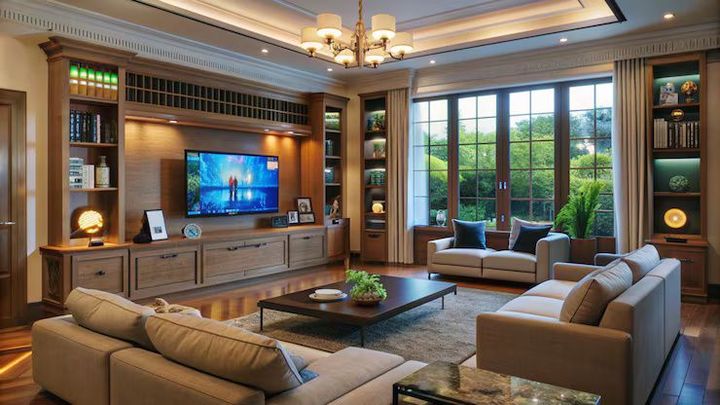
These sets are suitable for apartments, independent homes, and shared living spaces. They allow users to adapt layouts over time without replacing entire furniture pieces.
In modern interior design, modular systems are linked with space-saving furniture and multifunctional décor. Their structure supports rearrangement, making them ideal for evolving room layouts.
Importance of Modular Living Room Sets
Modular living room sets are increasingly relevant as homes are designed for flexibility. Remote work and hybrid lifestyles have transformed living rooms into multifunctional spaces used for both productivity and relaxation.
Key Reasons for Relevance
- Adaptability for small apartments and urban housing
- Better space utilization in open floor plans
- Ease of rearrangement during relocation
- Compatibility with modern interior design trends
- Support for sustainable furniture practices
For families, modular seating helps accommodate guests or growing needs. Renters benefit from easy reconfiguration, while homeowners can enhance visual appeal and property value with well-planned layouts.
Comparison with Traditional Furniture
| Feature | Modular Living Room Sets | Traditional Sofa Sets |
|---|---|---|
| Layout Flexibility | High | Limited |
| Custom Arrangement | Yes | No |
| Space Optimization | Efficient | Moderate |
| Expansion Options | Easy | Difficult |
| Moving Convenience | Easier in sections | Bulkier |
This flexibility makes modular systems appealing for those interested in smart furniture and home décor solutions.
Recent Updates in Modular Furniture (2025)
In the past year, furniture design has emphasized sustainability, comfort, and customization. Modular seating trends in 2025 highlight eco-friendly materials such as recycled fabrics and certified wood frames.
Digital tools have also improved significantly. Many furniture brands now offer augmented reality features through mobile apps, allowing users to preview layouts within their homes.
Key Design Trends
- Neutral and earthy color palettes
- Low-profile seating with deeper cushions
- Built-in storage compartments
- Modular units with charging ports
- Sustainable upholstery fabrics
Growing environmental awareness has influenced buying decisions. Consumers now focus more on durability, materials, and long-term usability.
Laws and Policies
Although modular living room sets are consumer products, they are influenced by various regulations. These policies ensure safety, transparency, and environmental responsibility in furniture manufacturing.
Key Regulatory Areas
- Fire safety standards for upholstery
- Environmental compliance for materials
- Labeling and consumer protection regulations
- Import and export policies for wood and fabric
In India, furniture products may follow standards set by the Bureau of Indian Standards (BIS). Environmental rules for wood sourcing and sustainable materials also impact production practices.
Consumer protection laws require accurate product descriptions and material disclosures. This ensures transparency and compliance with advertising and marketing guidelines.
Tools and Resources for Planning
Several digital tools help individuals design and visualize modular living room layouts. These tools simplify planning and improve decision-making before purchase.
Useful Planning Tools
- Floor planning software for room measurements
- 3D interior design applications
- Augmented reality furniture preview tools
- Online layout calculators
- Home décor inspiration platforms
Popular Interior Design Software
- SketchUp
- AutoCAD
- Planner 5D
- Roomstyler
These tools allow users to test configurations, measure dimensions, and experiment with colors. Budgeting tools and renovation calculators can also help estimate overall costs.
Design Considerations and Layout Tips
Planning a modular living room requires attention to space, functionality, and aesthetics. Thoughtful decisions improve usability and reduce the need for frequent changes.
Room Size and Shape
Measure the full dimensions of the room, including doors and windows. Proper planning ensures the modular system fits efficiently within the available space.
Traffic Flow
Maintain clear walking paths throughout the room. Avoid blocking entrances or natural light sources to keep the space functional and comfortable.
Purpose of the Space
Define how the room will be used. It may serve as an entertainment area, workspace, or relaxation zone depending on lifestyle needs.
Material and Durability
Select upholstery based on usage. Homes with pets or children may benefit from durable, stain-resistant fabrics.
Color Coordination
Neutral tones provide flexibility, while accent pieces add visual interest. Balanced color choices enhance the overall aesthetic.
Example Layout Configurations
| Room Size (Approx.) | Suggested Configuration |
|---|---|
| Small (Under 150 sq ft) | L-shaped compact sectional |
| Medium (150–300 sq ft) | U-shaped or extended L-shape |
| Large (300+ sq ft) | Multiple modular clusters |
FAQs
What is a modular living room set?
A modular living room set consists of individual seating units that can be arranged in different configurations. These units connect to form a customized layout.
Are modular sofas suitable for small apartments?
Yes, modular seating is ideal for compact spaces. Sections can be rearranged or minimized to fit smaller rooms.
How do modular sets differ from sectional sofas?
Sectional sofas usually have a fixed shape. Modular sets include separate units that can be rearranged or expanded easily.
Do modular living room sets support modern design trends?
Yes, they align with trends like minimalism, multifunctional spaces, and sustainable materials.
Are modular systems durable?
Durability depends on the frame, construction quality, and upholstery. High-quality materials typically ensure long-term use.
Conclusion
Modular living room sets offer a flexible approach to modern furniture design. As homes become more compact and multifunctional, these systems address key needs such as space optimization and customization.
Recent trends in sustainability, smart technology, and digital planning tools have strengthened their role in interior design. Regulations related to safety and environmental standards also promote responsible manufacturing.
By using planning tools and considering layout principles, individuals can create practical and visually appealing living spaces. This approach supports both functionality and long-term value without relying on exaggerated claims.