Modular office furniture refers to workplace furniture systems designed with interchangeable components that can be rearranged, expanded, or reconfigured according to workspace needs. These systems commonly include desks, partitions, storage units, collaborative tables, and adaptable seating arrangements that fit together in different configurations.
The concept of modular office furniture developed in response to evolving work environments where flexibility became more important than fixed layouts. Traditional office furniture often required permanent placement, which made reorganization difficult when teams expanded, departments changed, or new work styles emerged. Modular systems exist to solve this limitation by allowing workplaces to adapt without large structural changes.
Modern workplaces increasingly emphasize collaboration, remote coordination, and multi-functional spaces. Modular furniture supports these changes by making it easier to redesign office layouts, adjust workstations, and create environments that balance privacy with teamwork.
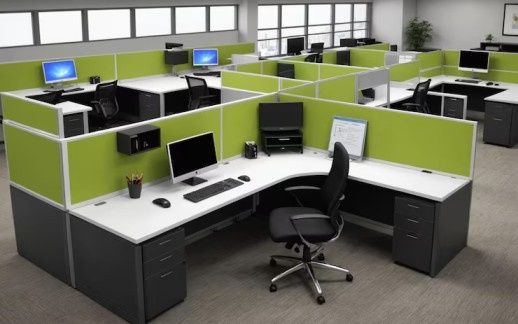
Importance: Why Modular Office Furniture Matters Today
Modular office furniture plays a significant role in modern workplace design because it supports adaptability, efficiency, and employee comfort.
Key reasons this topic matters today:
-
Flexible work environments: Offices must accommodate hybrid work models and changing team structures
-
Efficient space use: Modular layouts help maximize available floor area
-
Employee productivity: Ergonomic furniture and organized workspaces support better focus
-
Collaboration opportunities: Reconfigurable spaces enable teamwork and meeting areas
-
Long-term planning: Adaptable furniture reduces the need for frequent office redesigns
These systems affect office managers, interior designers, facility planners, architects, and organizational leaders. Modular furniture helps solve problems related to overcrowded workspaces, inefficient layout planning, and the need for adaptable environments as businesses grow or change.
Recent Updates: Trends and Developments (2024–2025)
Over the past year, modular office furniture has evolved to reflect new workplace expectations, technological integration, and sustainability goals.
| Year | Trend or Development | Impact on Workspaces |
|---|---|---|
| 2024 | Increased focus on hybrid workspace layouts | Offices designed for both remote collaboration and in-person work |
| 2024 | Sustainable materials in office furniture | Reduced environmental impact and longer product lifecycles |
| 2025 | Modular acoustic panels and privacy pods | Improved concentration in open-plan environments |
| 2025 | Smart furniture integration | Workstations designed to support digital connectivity and cable management |
Another noticeable trend is the shift toward multi-purpose workspace zones that allow quick transitions between focused work, collaborative meetings, and informal discussions. Many organizations are also prioritizing ergonomic design features that support employee well-being.
Laws, Policies, and Workplace Regulations
Modular office furniture must comply with workplace safety, ergonomic guidelines, and building regulations in many countries. These frameworks ensure that work environments remain safe, accessible, and comfortable.
Common regulatory considerations include:
-
Workplace safety regulations: Require stable furniture design and safe installation
-
Ergonomic guidelines: Promote proper desk height, seating posture, and screen placement
-
Accessibility standards: Ensure furniture layouts allow movement for individuals with mobility needs
-
Building occupancy rules: Define spacing requirements and emergency access routes
Governments and occupational safety organizations often provide guidance on workstation setup to reduce physical strain and improve employee health.
Tools and Resources for Workspace Planning
Designing an efficient modular office layout often involves planning tools and reference materials that help visualize workspace organization.
Helpful tools and resources include:
-
Workspace layout planners: Digital tools that simulate office arrangements
-
Office space calculators: Estimate required floor area per workstation
-
Ergonomic workstation guides: Provide recommended desk and chair positioning
-
Interior design templates: Help visualize furniture placement
-
Office planning worksheets: Support structured layout planning
Knowledge resources:
-
Workplace design publications
-
Architecture and interior planning guides
-
Occupational health and ergonomics research
-
Corporate workspace design case studies
These tools help organizations create practical office environments that support productivity and comfort.
Key Design Principles for Modular Office Layouts
Effective modular office design focuses on adaptability and employee experience.
Important layout considerations include:
-
Workstation spacing: Allow comfortable movement and privacy
-
Collaboration zones: Provide meeting spaces without disrupting focused work
-
Storage organization: Integrate modular cabinets and shelves
-
Lighting and visibility: Ensure adequate natural or artificial lighting
-
Noise management: Use partitions or acoustic panels where needed
Balancing these elements ensures the workspace remains functional while supporting different working styles.
Frequently Asked Questions
What is modular office furniture?
Modular office furniture consists of components that can be rearranged or expanded to create different workspace layouts.
Why is modular furniture useful in offices?
It allows workplaces to adapt quickly to changing team sizes, work styles, and organizational needs.
Is modular office furniture suitable for small offices?
Yes. Its flexible design can maximize space efficiency in compact work environments.
How does modular furniture support collaboration?
Movable workstations and shared tables can easily create collaborative work zones.
What factors should be considered when planning a modular office layout?
Important factors include space availability, team structure, workflow patterns, and ergonomic requirements.
Conclusion
Modular office furniture has become a central element of modern workplace design. By allowing flexible layouts and adaptable workstations, these systems help organizations respond to evolving work patterns and technological needs. They support efficient space usage, employee comfort, and collaborative productivity.
As work environments continue to evolve toward hybrid and dynamic models, modular office furniture will remain a practical solution for organizations seeking balance between functionality, flexibility, and long-term efficiency.