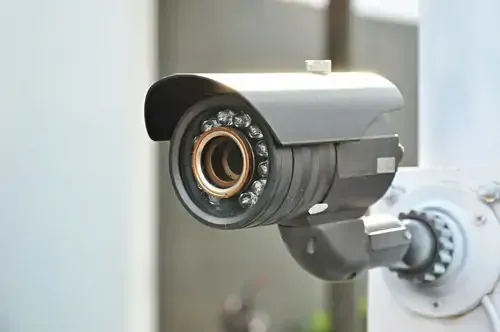
Motion Detection Cameras Explained: Smart Security for Homes and Businesses
Motion detection cameras are security devices designed to detect movement within a specific area and respond automatically. Instead of recording continuously, many systems activate when movement occurs. This approach helps monitor environments more efficiently while reducing unnecessary footage storage.
Traditional surveillance systems often required users to review hours of recordings to locate important events. Motion detection technology emerged to solve this challenge. By identifying activity in real time, these systems help users focus on events that matter.
Motion detection technology combines sensors, software, and camera hardware. Depending on the setup, systems may use:
- Infrared sensors that detect heat changes
- Pixel-based image analysis
- Artificial intelligence recognition systems
- Radar-based motion tracking
- Video analytics tools
Over time, motion detection cameras evolved from simple movement sensors into intelligent monitoring systems capable of identifying people, vehicles, pets, and unusual activities.
Today, these systems are commonly used in:
- Residential properties
- Office buildings
- Retail locations
- Warehouses
- Educational institutions
- Public infrastructure areas
The growing use of connected devices and smart technology has made camera systems more advanced and easier to integrate into everyday environments.
Common Motion Detection Technologies
| Technology | Main Function | Typical Use |
|---|---|---|
| Passive Infrared (PIR) | Detects body heat movement | Homes and indoor areas |
| Video Motion Detection | Identifies image changes | Security monitoring |
| AI-Based Detection | Recognizes objects and patterns | Advanced analytics |
| Radar Detection | Tracks movement waves | Outdoor monitoring |
| Thermal Detection | Detects heat signatures | Low-light environments |
Why Motion Detection Cameras Matter Today
Security concerns have changed significantly in recent years. Larger properties, remote work environments, and connected devices have increased the need for smarter monitoring methods.
Motion detection cameras address several common problems.
They help reduce information overload by recording important activity instead of storing long periods of inactive footage. This can improve storage management and make security monitoring more practical.
For households, these systems can provide awareness of:
- Unexpected movement around entry points
- Package deliveries
- Visitor activity
- Outdoor monitoring
For businesses, they may assist with:
- Asset protection
- Access monitoring
- Workplace safety observation
- Security event documentation
Many industries now rely on smart security systems and video analytics to support operational awareness.
The impact extends beyond individual properties. Transportation hubs, municipalities, and educational institutions increasingly use surveillance technologies for broader safety strategies.
Areas Most Affected by Motion Detection Technology
| Sector | Practical Application |
|---|---|
| Residential | Home monitoring and alerts |
| Retail | Activity tracking and security |
| Logistics | Warehouse monitoring |
| Healthcare | Restricted area observation |
| Education | Campus security monitoring |
| Transportation | Traffic and public safety analysis |
As connected technologies become more common, motion detection cameras continue expanding into new environments.
Recent Trends and Developments in Motion Detection Technology
The past year has seen noticeable improvements in smart surveillance technology.
During 2025 and early 2026, several technology trends gained attention:
- Greater use of AI-powered object recognition
- Improved detection accuracy to reduce false alerts
- Wider adoption of cloud-based video storage
- Expansion of edge computing in surveillance devices
- Increased integration with smart home ecosystems
One important development involves AI-assisted identification. Modern systems increasingly distinguish between different moving objects. For example, cameras may recognize whether movement comes from a person, vehicle, animal, or environmental condition.
Another trend is privacy-focused processing. More devices now process information directly within cameras rather than sending all data externally.
Motion Detection Technology Evolution
Basic Motion Sensors
          ↓
Video Recording Systems
          ↓
Smart Detection Features
          ↓
AI Recognition Technology
          ↓
Predictive Video Analytics
Industry reports published during 2025 also highlighted growing use of machine learning in surveillance technology. Security researchers continue focusing on improving system accuracy and reducing unnecessary notifications.
Organizations are increasingly discussing responsible use of AI surveillance and ethical technology implementation.
Privacy Laws and Security Policies Related to Motion Detection Cameras
Security technology operates within legal and regulatory frameworks that vary by country.
Privacy rules often influence how motion detection cameras can be used, especially when systems record public areas or collect identifiable information.
Examples of regulations affecting surveillance technology include:
- Data privacy requirements
- Video storage guidelines
- Consent regulations
- Workplace monitoring policies
- Public surveillance restrictions
In many regions, businesses using surveillance systems must inform employees or visitors about monitoring practices.
Several countries also introduced stronger data protection measures in recent years.
Examples include:
| Regulation | Region | Purpose |
|---|---|---|
| GDPR | Europe | Protects personal data privacy |
| Digital Personal Data Protection Act | India | Governs digital data handling |
| CCPA | California | Enhances consumer privacy rights |
Government agencies and policy organizations continue reviewing surveillance technologies as AI capabilities expand.
Organizations deploying monitoring systems often evaluate:
- Data retention periods
- User access controls
- Encryption standards
- Notification procedures
- Privacy compliance requirements
Understanding local rules remains important before implementing monitoring systems.
Helpful Tools and Resources Related to Motion Detection Cameras
Modern monitoring systems often work alongside software platforms and digital tools.
Useful resources include:
- Mobile monitoring applications
- Video management systems
- Cloud storage dashboards
- Security planning templates
- Detection sensitivity configuration tools
- Device compatibility checkers
Examples of commonly used technology categories include:
| Resource Type | Purpose |
|---|---|
| Mobile Security Apps | Real-time monitoring |
| Video Analytics Platforms | Pattern analysis |
| Cloud Dashboards | Remote access |
| Event Notification Systems | Alert management |
| Storage Estimators | Capacity planning |
Educational resources are also available through cybersecurity awareness organizations and technology documentation websites.
For users learning about camera placement and motion zones, planning templates can help identify effective coverage areas.
Security technology communities also discuss setup strategies and privacy considerations.
Frequently Asked Questions
What is a motion detection camera?
A motion detection camera is a surveillance device designed to identify movement and trigger recording, notifications, or monitoring functions when activity occurs.
How do motion detection systems recognize movement?
Systems use technologies such as infrared sensing, image analysis, radar detection, and artificial intelligence to identify movement patterns or environmental changes.
Can motion detection cameras work at night?
Many systems support nighttime operation through infrared capabilities, thermal detection, or low-light imaging technologies.
Do motion detection cameras always record continuously?
Not always. Some systems only activate when motion occurs, while others combine continuous recording with event-based detection features.
Are there privacy concerns related to smart surveillance?
Yes. Recording public areas or collecting identifiable information may raise privacy considerations. Regulations differ depending on local laws and organizational policies.
Can weather affect outdoor motion detection?
Environmental conditions such as heavy rain, fog, moving branches, or extreme temperatures can sometimes influence detection accuracy.
Conclusion
Motion detection cameras have developed from simple movement-triggered devices into intelligent monitoring technologies used across homes, businesses, and public environments. Advances in AI surveillance technology, video analytics, and cloud integration continue shaping how monitoring systems function.
At the same time, privacy expectations and regulations remain important considerations. Understanding how these systems work, where they are used, and how laws affect implementation helps users make informed decisions.
As technology continues evolving, motion detection cameras are likely to become more accurate, more adaptive, and increasingly integrated into broader smart security environments.