Nigerian Coral Beads Overview: Traditions, Symbolism, Types, and Modern Uses
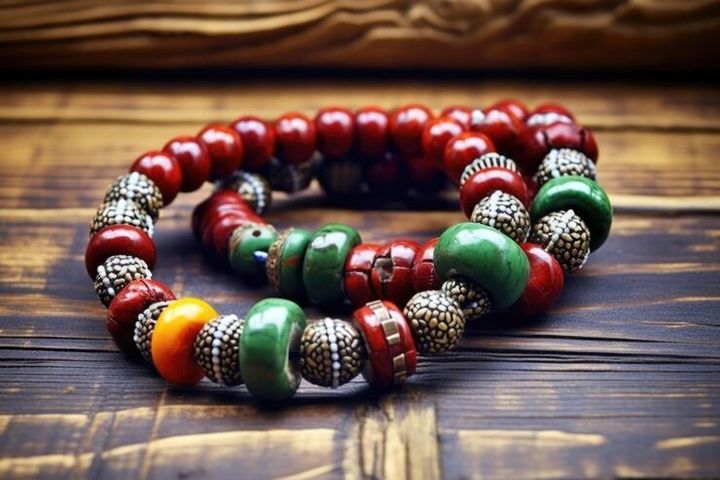
Nigerian coral beads are traditional ornaments widely recognized in the cultural heritage of several Nigerian ethnic groups, especially the Edo and Yoruba communities. These beads are often made from natural coral or coral-like materials and are traditionally worn as necklaces, bracelets, waist beads, and ceremonial accessories.
Historically, coral beads were closely associated with royalty, leadership, and spiritual identity. In many traditional Nigerian societies, they symbolized authority, wealth, and ancestral connections. These beads were commonly worn by kings, chiefs, and respected community members during cultural ceremonies.
The origin of coral bead traditions in Nigeria dates back several centuries. Historical records suggest they were introduced through ancient trade networks linking West Africa with Mediterranean and Asian markets. Over time, Nigerian artisans transformed them into important cultural symbols.
Today, coral beads remain present in cultural events such as weddings, chieftaincy ceremonies, and festivals. While designs and materials may evolve, their cultural meaning continues to reflect Nigerian heritage and identity.
Common Types of Coral Bead Accessories
Coral beads are crafted into various ceremonial and decorative items, including:
- Royal coral bead crowns
- Layered coral bead necklaces
- Traditional waist beads
- Beaded bracelets and anklets
- Decorative ceremonial regalia
These items represent a blend of craftsmanship, storytelling, and symbolic meaning.
Why Nigerian Coral Beads Remain Important Today
Coral beads continue to hold cultural significance as they reflect Nigeria’s historical identity, traditional values, and artistic expression. They help preserve traditions while adapting to modern social settings.
One key reason for their continued relevance is the growing global interest in African cultural heritage. Nigerian coral beads serve as a strong representation of this heritage.
Key Cultural Significance
The importance of coral beads can be understood through several perspectives:
-
Cultural identity
They symbolize lineage, ancestry, and respect for tradition, reinforcing continuity across generations. -
Royal symbolism
In Edo culture, coral beads are strongly linked to the royal court of the Benin Kingdom. -
Ceremonial traditions
Coral beads are commonly worn during:- Traditional weddings
- Cultural festivals
- Naming ceremonies
- Chieftaincy installations
-
Artistic heritage
Local artisans preserve traditional techniques passed down through generations. -
Cultural education
Museums and institutions use coral beads to teach Nigerian history and heritage.
Cultural Roles of Coral Beads
| Cultural Role | Meaning |
|---|---|
| Royal Regalia | Symbol of authority and leadership |
| Wedding Jewelry | Representation of unity and heritage |
| Festival Ornament | Celebration of identity and tradition |
| Artistic Craft | Expression of local craftsmanship |
Recent Developments and Cultural Trends
Recent years have seen increased awareness and documentation of Nigerian coral bead traditions. Cultural exhibitions in 2024 and early 2025 highlighted beadwork as part of heritage preservation efforts.
Digital platforms have also contributed by sharing educational content about bead symbolism and traditional attire. This has expanded access to cultural knowledge globally.
Notable Trends
- Increased academic research on African bead traditions
- Greater digital documentation of traditional attire
- Cultural festivals highlighting indigenous craftsmanship
- Educational programs focused on heritage preservation
In February 2025, Nigerian cultural institutions announced expanded programs aimed at preserving traditional arts, including beadwork and textiles.
Another trend involves integrating coral bead styles into modern fashion while maintaining cultural respect.
Overview of Recent Trends
| Trend | Description |
|---|---|
| Cultural Documentation | Increased research on bead symbolism |
| Heritage Festivals | Events celebrating traditional regalia |
| Educational Programs | Workshops and museum exhibits |
| Modern Cultural Design | Blend of traditional elements with modern fashion |
Regulations and Cultural Heritage Policies
Cultural artifacts like coral bead regalia are influenced by heritage protection and environmental regulations. These policies aim to preserve both tradition and natural resources.
Key Policy Areas
-
Cultural heritage protection
Overseen by the National Commission for Museums and Monuments (NCMM), which safeguards historical artifacts. -
Environmental regulations
International policies regulate coral harvesting to protect marine ecosystems. -
Intangible cultural heritage
Efforts focus on documenting traditional crafts and ceremonial attire. -
Educational heritage programs
Government initiatives promote awareness through workshops and exhibitions.
Helpful Tools and Educational Resources
Various digital tools support research and education about Nigerian coral beads. These resources help users explore cultural topics in a structured way.
Useful Resources
- Online museum archives
- Cultural heritage databases
- Academic research platforms
- Digital anthropology libraries
- Educational documentaries
Resource Overview
| Resource Type | Purpose |
|---|---|
| Museum Collections | Historical artifact documentation |
| Academic Databases | Cultural and anthropological research |
| Digital Archives | Preservation of traditional art forms |
| Educational Platforms | Cultural history learning materials |
Additional tools include:
- Cultural mapping platforms
- Virtual museum tours
- Historical timeline tools
- Academic citation managers
Common Questions About Nigerian Coral Beads
What are Nigerian coral beads traditionally made from?
Traditionally, coral beads were made from natural coral sourced from marine environments. In some cases, artisans also use coral-like materials.
Which Nigerian cultures are known for coral bead traditions?
Coral bead traditions are especially prominent in Edo culture, particularly within the Benin Kingdom. They are also present in Yoruba ceremonies.
Why are coral beads associated with royalty?
Coral beads were historically rare and valuable. This made them symbols of wealth and authority among leaders.
Are coral beads still used in modern ceremonies?
Yes, they are widely used in weddings, festivals, and traditional ceremonies across Nigeria.
Do coral beads have symbolic meaning?
They symbolize power, ancestry, protection, and cultural identity in many communities.
Cultural Significance in Modern Society
In modern Nigeria, coral beads remain important in both traditional and contemporary settings. Festivals, museums, and educational programs continue to showcase their relevance.
Younger generations learn about coral bead traditions through community events and cultural education. This helps preserve historical awareness and identity.
Global interest in African heritage has further increased attention to these traditions. Scholars and institutions continue documenting them for future generations.
Conclusion
Nigerian coral beads represent a unique blend of history, culture, and craftsmanship. For centuries, they have symbolized authority, identity, and tradition.
Their importance continues through ceremonies, education, and preservation efforts. Modern research and digital documentation have helped expand awareness of their cultural value.
Policies and heritage programs play a key role in protecting both natural coral resources and traditional craftsmanship. Understanding coral beads offers insight into African cultural heritage and historical continuity.