Non Surgical Face Sculpting Overview: What to Expect Before and After Treatment
Non surgical face sculpting refers to a group of aesthetic procedures designed to improve facial shape, definition, and balance without traditional surgery.
These approaches have become increasingly common as many people seek ways to address concerns related to facial contours, volume loss, or age-related changes while avoiding surgical recovery periods.
The concept of non surgical facial contouring developed through advances in cosmetic dermatology and aesthetic medicine. Modern techniques often involve injectable products, energy-based devices, and skin-tightening technologies that aim to enhance facial features or create a more defined appearance.
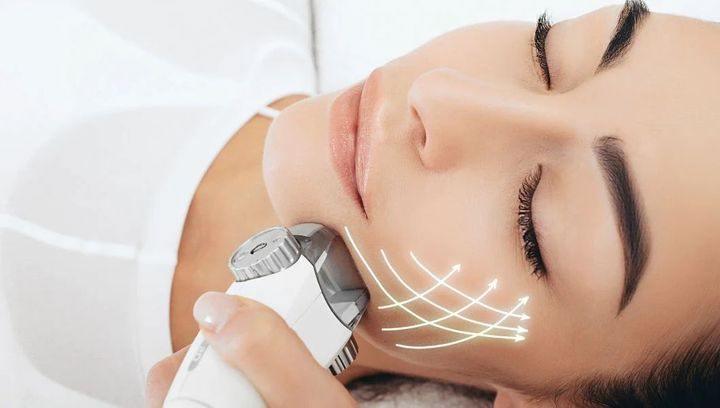
Common examples of face sculpting treatment include dermal fillers for jawline enhancement, chin augmentation without surgery, cheek contouring procedures, and various facial rejuvenation treatments. Some individuals also explore a non invasive face lift approach that focuses on lifting and tightening the skin using specialized technologies.
The goal of these treatments is generally to improve facial harmony by addressing areas such as the cheeks, chin, jawline, temples, or skin texture. Results and treatment approaches vary depending on an individual's facial structure, aesthetic goals, and overall health.
Importance
Facial appearance plays a role in how people perceive themselves and how they interact socially. As a result, interest in non surgical beauty treatments has grown among people of different age groups.
Addressing Age-Related Changes
As people age, natural collagen production decreases and facial fat distribution changes. These processes can contribute to volume loss, reduced skin firmness, and changes in facial contours. Facial rejuvenation treatments are often used to address some of these visible changes.
Providing Alternatives to Surgery
Many individuals prefer options that do not involve surgical incisions. Non surgical face sculpting can provide an alternative pathway for those interested in facial enhancement while avoiding surgical procedures.
Supporting Personalized Treatment Plans
Facial anatomy differs significantly from person to person. A facial aesthetics clinic may assess factors such as bone structure, skin condition, facial symmetry, and volume distribution when discussing treatment options.
Common Areas of Focus
People often seek treatment for the following concerns:
- Jawline definition
- Chin projection and balance
- Cheek volume and contour
- Mild skin laxity
- Facial asymmetry
- Early signs of aging
The growing interest in facial contouring clinic consultations reflects a broader trend toward individualized aesthetic planning rather than one-size-fits-all approaches.
Recent Updates
Recent developments in non surgical facial contouring have focused on improving precision, personalization, and safety.
Advanced Imaging and Assessment
Many clinics now use digital facial assessment tools to help evaluate facial proportions and treatment planning. These systems can assist practitioners in documenting facial changes and monitoring progress over time.
Combination Treatment Approaches
Instead of relying on a single procedure, practitioners increasingly combine multiple techniques. For example, a liquid facelift treatment may involve a combination of volume restoration, contour enhancement, and skin-tightening technologies.
Greater Emphasis on Natural Results
Current trends generally favor subtle facial enhancement rather than dramatic transformation. Many treatment plans are designed to preserve natural facial expressions while improving overall balance and contour.
Improved Understanding of Facial Anatomy
Ongoing research in aesthetic medicine has increased understanding of facial blood vessels, muscles, and fat compartments. This knowledge contributes to more precise treatment planning and risk management.
Growth of Preventive Aesthetics
Some younger adults are exploring treatments earlier in life to address mild volume changes or support long-term skin quality. This trend has expanded discussions around preventive facial rejuvenation treatments.
Common Treatment Types
| Treatment Type | Primary Purpose | Typical Areas |
|---|---|---|
| Dermal Fillers | Volume enhancement and contouring | Cheeks, chin, jawline |
| Skin Tightening Devices | Improve skin firmness | Lower face, neck |
| Biostimulatory Treatments | Support collagen production | Multiple facial regions |
| Energy-Based Technologies | Skin rejuvenation | Face and neck |
| Combination Approaches | Multi-area enhancement | Full facial assessment |
Laws or Policies
Non surgical face sculpting is regulated differently across countries, but most regions have established frameworks to support patient safety and professional standards.
Practitioner Qualifications
Many countries require aesthetic procedures to be performed by licensed healthcare professionals or appropriately trained practitioners operating within approved regulatory guidelines.
Product Regulation
Injectable products and medical devices used in facial contouring are often reviewed by national health authorities before they can be legally distributed. Regulatory agencies evaluate factors such as quality, manufacturing standards, and intended use.
Informed Consent Requirements
Patients are typically provided with information about:
- Potential benefits
- Possible risks
- Expected recovery considerations
- Alternative treatment options
- Follow-up requirements
This process helps individuals make informed decisions before proceeding with treatment.
Advertising and Marketing Standards
Many jurisdictions have rules governing aesthetic advertising. These regulations may limit exaggerated claims and require factual communication regarding expected outcomes.
Record-Keeping and Safety Monitoring
Healthcare regulations frequently require documentation of treatments, product usage, and adverse events. Such practices support patient protection and ongoing monitoring of treatment safety.
Tools and Resources
Several tools and resources can help individuals understand non surgical face sculpting and related procedures.
Professional Medical Board Websites
Medical board websites often provide information about practitioner licensing, professional standards, and patient safety guidelines.
Regulatory Health Authority Portals
National health authority websites may include information about approved aesthetic devices, injectable products, and healthcare regulations.
Facial Assessment Software
Some facial aesthetics clinic environments use imaging software to assist with treatment planning. These tools can help document facial proportions and evaluate changes over time.
Educational Medical Organizations
Professional organizations focused on dermatology, plastic surgery, and aesthetic medicine frequently publish educational resources for the public.
Consultation Documentation Templates
Many practitioners use standardized consultation forms that help record:
- Medical history
- Treatment goals
- Facial assessment findings
- Consent information
- Follow-up plans
Treatment Tracking Resources
Some individuals maintain personal records of treatments, photographs, and appointment notes to monitor changes over time and support discussions with healthcare professionals.
FAQs
What is non surgical face sculpting?
Non surgical face sculpting refers to aesthetic procedures that enhance facial shape, contours, and balance without surgical intervention. Techniques may include injectable treatments, skin-tightening technologies, and other minimally invasive approaches.
How does non surgical facial contouring differ from surgery?
Non surgical facial contouring does not involve surgical incisions or traditional operative procedures. Surgical approaches typically create more extensive structural changes, while non-surgical methods generally focus on contour enhancement, volume restoration, or skin improvement.
What are common jawline contouring treatment options?
Jawline contouring treatment may involve dermal fillers for jawline enhancement, skin-tightening technologies, or combination approaches. The appropriate option depends on facial anatomy, treatment goals, and professional assessment.
Can chin augmentation without surgery change facial balance?
Chin augmentation without surgery may improve the appearance of facial proportions in selected individuals. The extent of change varies depending on anatomy and the technique used.
What is a liquid facelift treatment?
A liquid facelift treatment generally refers to a combination of injectable procedures designed to address facial volume loss and contour changes. It is intended to provide facial enhancement without traditional surgical lifting techniques.
Conclusion
Non surgical face sculpting encompasses a range of techniques designed to enhance facial contours without surgery. These procedures may address concerns related to jawline definition, cheek volume, chin projection, and overall facial balance. Advances in assessment tools, treatment planning, and safety practices continue to shape the field. Understanding available options, regulatory considerations, and realistic expectations can help individuals make informed decisions about facial aesthetic treatments.