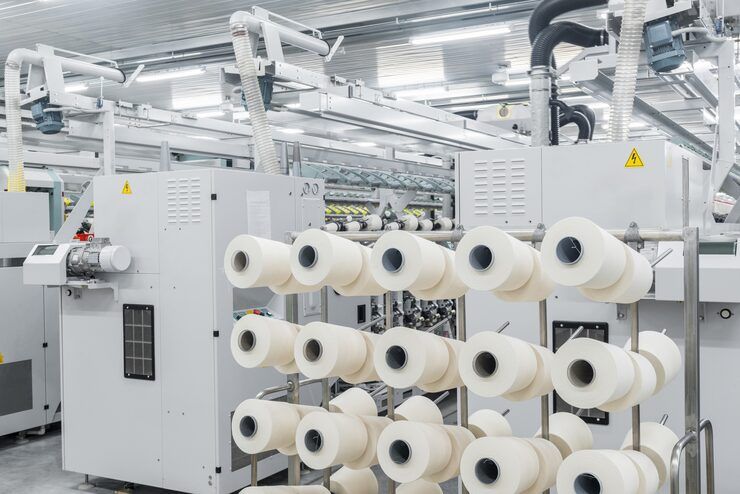
Nonwoven materials are fabrics made without traditional weaving or knitting. Instead of interlacing threads, fibers are bonded together using heat, chemicals, or mechanical processes. A nonwoven fabric machine is designed to produce these materials in large quantities by transforming raw polymers such as polypropylene into usable fabric sheets.
A nonwoven fabric making machine typically includes multiple stages, such as fiber extrusion, web formation, bonding, and winding. These machines are widely used in industries that require lightweight, durable, and disposable materials. Common examples include medical masks, hygiene products, packaging materials, and shopping bags.
One specific type, the spunbond nonwoven machine, uses a continuous filament process. In this method, melted polymer is spun into long fibers, which are then laid into a web and bonded together. This approach produces strong and uniform fabrics suitable for various applications.
A nonwoven fabric production line often integrates several machines into one continuous system. It allows manufacturers to automate the entire process, from raw material input to finished fabric rolls. Another specialized system, the nonwoven bag making machine, converts these fabric rolls into finished bags by cutting, sealing, and shaping the material.
Overall, industrial nonwoven fabric machine systems play an important role in modern manufacturing by enabling efficient production of versatile materials.
Importance
Nonwoven fabrics have become increasingly relevant in daily life due to their adaptability and efficiency. These materials are used in sectors such as healthcare, agriculture, construction, and consumer goods.
One key reason for their importance is hygiene. Products like surgical masks, wipes, and medical gowns rely on nonwoven materials because they can be produced under controlled conditions and disposed of after use. A nonwoven fabric making machine enables consistent quality, which is essential in medical environments.
Another important factor is environmental impact. While some nonwoven products are disposable, many are designed to be recyclable or reusable. For example, nonwoven shopping bags have replaced single-use plastic bags in many regions. A nonwoven bag making machine helps produce these alternatives at scale.
In agriculture, nonwoven fabrics are used for crop protection and soil stabilization. These materials allow air and water to pass through while protecting plants from pests and weather conditions. Industrial nonwoven fabric machine systems support the production of such specialized fabrics.
Nonwoven materials also contribute to efficiency in manufacturing. Because they do not require weaving, production processes are generally faster. A nonwoven fabric production line can operate continuously, reducing time and resource usage compared to traditional textile methods.
Recent Updates
From 2024 to 2026, the nonwoven industry has seen several developments focused on sustainability, automation, and product innovation.
Sustainability Trends
Manufacturers are exploring biodegradable and bio-based raw materials. Instead of relying solely on petroleum-based polymers, some production lines now incorporate plant-based fibers. This shift aims to reduce environmental impact while maintaining material performance.
Recycling technologies have also improved. Some nonwoven fabric production line systems are now capable of processing recycled polymers, allowing previously used materials to be reintroduced into production.
Automation and Smart Manufacturing
Automation has become more advanced in industrial nonwoven fabric machine systems. Sensors and digital controls are used to monitor temperature, pressure, and fiber distribution in real time. This helps maintain consistent quality and reduce material waste.
Integration with digital platforms allows operators to track production data and identify inefficiencies. These updates support better decision-making and improved operational stability.
Product Innovation
New applications for nonwoven materials continue to emerge. For example, high-performance filtration fabrics are being developed for air and water purification systems. Spunbond nonwoven machine technology has been refined to produce finer and more uniform fibers, enhancing filtration efficiency.
In packaging, nonwoven materials are being used as alternatives to traditional plastics. These materials can be designed for strength, flexibility, and recyclability, making them suitable for various packaging needs.
Laws or Policies
The use and production of nonwoven materials are influenced by regulations related to environmental protection, workplace safety, and product standards.
Environmental Regulations
Many countries have introduced policies to reduce plastic waste. Nonwoven materials used in bags and packaging must comply with guidelines regarding recyclability and biodegradability. Manufacturers operating a nonwoven fabric making machine may need to ensure that their products meet these requirements.
Waste management rules also apply to production facilities. Industrial nonwoven fabric machine operations must handle emissions, chemical usage, and material disposal according to environmental standards.
Safety Standards
In industries such as healthcare, nonwoven products must meet strict safety and quality standards. For example, medical masks and gowns produced using a spunbond nonwoven machine must comply with filtration and durability requirements.
Workplace safety regulations also apply to machine operation. Operators of a nonwoven fabric production line must follow guidelines to prevent accidents and ensure safe handling of materials and equipment.
Government Programs
Some governments support the development of sustainable materials through research initiatives and incentives. These programs encourage innovation in nonwoven technologies, including improvements in recycling and energy efficiency.
Tools and Resources
Understanding and managing nonwoven production involves various tools and resources that help improve efficiency and knowledge.
Technical Tools
- Production monitoring systems track machine performance, including speed, temperature, and output quality
- Material testing equipment measures properties such as tensile strength, thickness, and permeability
- Design software helps plan product dimensions for items made using a nonwoven bag making machine
Online Platforms
- Educational websites provide information about nonwoven technologies and applications
- Industry publications share updates on trends and research developments
- Standards organizations publish guidelines for product quality and safety
Templates and Calculators
- Production planning templates assist in organizing workflow and material usage
- Efficiency calculators estimate output based on machine settings
- Maintenance checklists help ensure consistent operation of industrial nonwoven fabric machine systems
Example of a Simple Production Data Table
| Stage of Production | Key Process | Output Form |
|---|---|---|
| Polymer Preparation | Melting and extrusion | Molten polymer |
| Fiber Formation | Spinning fibers | Continuous filaments |
| Web Formation | Laying fibers into sheets | Fiber web |
| Bonding | Heat or chemical bonding | Nonwoven fabric |
| Finishing and Winding | Rolling and cutting | Fabric rolls |
This table provides a basic overview of how a nonwoven fabric production line operates from start to finish.
FAQs
What is a nonwoven fabric machine used for?
A nonwoven fabric machine is used to produce fabrics by bonding fibers together without weaving or knitting. These fabrics are commonly used in medical products, packaging, and household items.
How does a spunbond nonwoven machine work?
A spunbond nonwoven machine melts polymer and spins it into continuous fibers. These fibers are laid into a web and bonded together using heat or pressure, creating a मजबूत and uniform fabric.
What is the difference between a nonwoven fabric making machine and a nonwoven bag making machine?
A nonwoven fabric making machine produces the raw fabric, while a nonwoven bag making machine converts that fabric into finished bags through cutting and sealing processes.
What industries use a nonwoven fabric production line?
Industries such as healthcare, agriculture, construction, and packaging use a nonwoven fabric production line to create materials for masks, crop covers, insulation, and reusable bags.
Are industrial nonwoven fabric machine systems environmentally friendly?
Environmental impact depends on the materials and processes used. Some systems use recyclable or biodegradable materials, while others focus on reducing waste and energy consumption during production.
Conclusion
Nonwoven fabric machines play a central role in producing materials used in many everyday applications. These systems rely on efficient processes that differ from traditional textile methods, allowing for faster and more adaptable production. Advances in sustainability and automation continue to shape the industry, while regulations guide safe and responsible manufacturing. Understanding how these machines work helps explain the widespread use of nonwoven materials across multiple sectors.