Om Symbol Pendants: A Complete Guide to Meaning, Styles, and Spiritual Significance
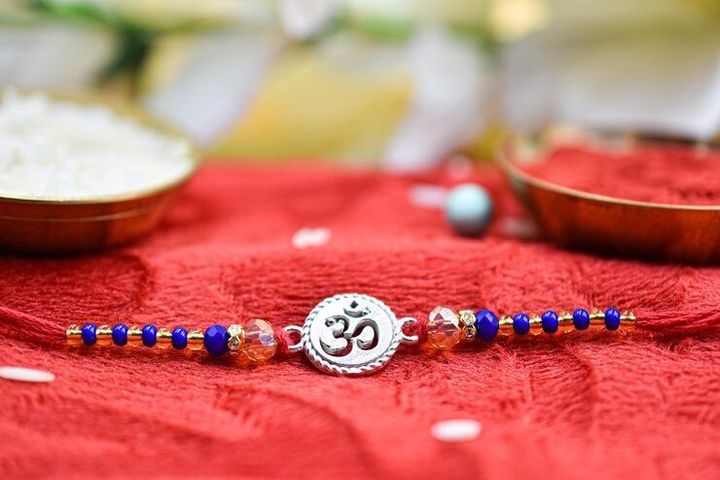
Om symbol pendants are jewelry pieces that display the sacred Sanskrit symbol “ॐ” (Om or Aum). This symbol is widely recognized in Hinduism, Buddhism, and several meditation traditions as a representation of universal sound, spiritual consciousness, and cosmic harmony.
The Om symbol is one of the oldest spiritual icons in South Asian philosophy. It appears in ancient Hindu texts such as the Upanishads and is often associated with meditation, yoga practices, and spiritual awareness. Over time, artisans began incorporating this sacred symbol into jewelry like pendants, rings, and bracelets.
Om symbol pendants combine cultural heritage with personal expression. They are widely worn as meaningful accessories that reflect spiritual identity or appreciation for Eastern philosophy. These pendants are crafted using materials such as gold, silver, stainless steel, and other modern metals.
Symbolic Meaning of the Om Design
The visual structure of the Om symbol includes elements representing different states of consciousness. These include waking, dreaming, deep sleep, and transcendence. The design typically consists of curves and a crescent with a dot.
Symbolic Components Table
| Symbol Element | Spiritual Meaning |
|---|---|
| Large curve | Waking state |
| Middle curve | Dream state |
| Lower curve | Deep sleep |
| Crescent and dot | Enlightenment or higher awareness |
Because of its philosophical roots, the Om symbol pendant is more than decorative. It is deeply connected to spiritual teachings and awareness.
Why Om Symbol Pendants Remain Relevant Today
In modern society, culturally meaningful symbols often become part of global fashion. Om symbol pendants demonstrate how traditional spiritual imagery continues to influence contemporary jewelry design and mindfulness culture.
Key Reasons for Continued Popularity
-
Growing interest in mindfulness and meditation
Meditation practices have expanded globally through wellness programs, yoga communities, and digital platforms. The Om symbol is often linked to inner awareness. -
Cultural appreciation and global influence
South Asian traditions have influenced wellness and philosophy discussions worldwide. Wearing symbolic jewelry reflects cultural acknowledgment. -
Personal expression through jewelry
Many individuals use symbolic accessories to express beliefs, values, or identity. -
Integration into modern design
Designers combine traditional symbols with minimalist and contemporary styles.
Comparison of Symbolic Jewelry Types
| Jewelry Type | Symbolism Focus | Cultural Origin |
|---|---|---|
| Om Symbol Pendant | Spiritual awareness | India |
| Lotus Pendant | Purity and enlightenment | Asia |
| Tree of Life Pendant | Growth and connection | Global traditions |
| Infinity Pendant | Continuity and eternity | Modern symbolism |
The continued relevance of Om pendants lies in their ability to connect ancient philosophy with modern identity.
Recent Developments and Trends in Spiritual Jewelry
During 2024 and early 2025, the jewelry and wellness industries have shown increased interest in culturally meaningful symbols. Spiritual jewelry has gained visibility through lifestyle media and wellness communities.
Major Trends Influencing Om Pendants
-
Minimalist jewelry movement
Designs now feature thin-line engravings and simple shapes. -
Sustainable materials
Recycled metals and eco-conscious production methods are becoming more common. -
Digital customization tools
Online platforms allow users to personalize size, engraving, and chain length. -
Cultural education and awareness
There is growing emphasis on understanding the meaning behind sacred symbols. -
Influence of yoga and wellness communities
Yoga practices continue to promote awareness of the Om sound and its symbolism.
Jewelry Design Trends Table (2024–2025)
| Trend | Description |
|---|---|
| Minimalist designs | Thin-line Om pendants with simple aesthetics |
| Mixed materials | Metal combined with gemstones or enamel |
| Cultural storytelling | Designs inspired by spiritual philosophy |
| Sustainable materials | Focus on recycled and eco-friendly metals |
These developments highlight how spiritual jewelry evolves while maintaining its cultural significance.
Regulations and Cultural Policies Affecting Jewelry Symbols
Jewelry featuring cultural or religious symbols is often subject to regulations. These rules focus on manufacturing standards, safety, and international trade requirements.
Common Regulatory Considerations
- Metal purity standards (such as gold hallmarking)
- Nickel release limits in jewelry
- Environmental compliance for metal processing
- Consumer labeling requirements
In India, hallmarking regulations are managed by the Bureau of Indian Standards (BIS). In the European Union, REACH regulations limit harmful chemicals in jewelry products.
Cultural policies also emphasize respectful representation of sacred symbols. Government and cultural organizations promote traditional craftsmanship and heritage preservation.
Tools and Resources for Learning About Symbolic Jewelry
Various platforms provide information about spiritual symbols, jewelry design, and cultural heritage. These tools support both learning and creative exploration.
Useful Resources
-
Meditation and mindfulness apps
- Insight Timer
- Headspace
- Calm
-
Jewelry design software
- CAD-based design programs
- 3D modeling tools
-
Cultural heritage resources
- Museum digital collections
- Academic databases
-
Educational websites
- Sanskrit learning platforms
- Yoga philosophy portals
Resource Comparison Table
| Resource Type | Purpose |
|---|---|
| Meditation apps | Understanding spiritual practices |
| Cultural heritage sites | Learning historical context |
| Jewelry design software | Creating symbolic designs |
| Academic platforms | Studying symbolism and philosophy |
These resources help individuals understand both the cultural and artistic aspects of symbolic jewelry.
Frequently Asked Questions
What does the Om symbol represent?
The Om symbol represents a sacred sound in Hindu philosophy. It symbolizes the universe and interconnected existence. It is widely used in meditation practices.
Why is the Om symbol important in meditation?
Many meditation practices begin or end with chanting Om. It is associated with harmony and focus, helping practitioners center their attention.
Is the Om symbol linked to a specific religion?
The symbol originates in Hindu traditions but is also recognized in Buddhism and other spiritual philosophies.
Can it be used in modern jewelry design?
Yes, the Om symbol has been used in jewelry for centuries. Modern designers blend traditional meaning with contemporary aesthetics.
What materials are commonly used?
Common materials include gold, silver, stainless steel, and other metals used in jewelry craftsmanship.
Broader Cultural and Artistic Insights
The Om symbol appears in various forms of art, architecture, and spiritual literature. It often represents sacred sound and cosmic balance in temples, manuscripts, and sculptures.
Symbolic jewelry has existed throughout history. From ancient amulets to modern accessories, these items often represent identity, protection, or philosophical beliefs.
Cultural Timeline of Symbolic Jewelry
| Period | Development |
|---|---|
| Ancient civilizations | Amulets for spiritual protection |
| Medieval period | Religious pendants and sacred icons |
| Modern era | Personal expression through design |
Today, Om pendants reflect both historical traditions and modern lifestyle trends such as meditation and mindfulness.
Conclusion
Om symbol pendants represent more than decorative jewelry. They embody centuries of spiritual philosophy, cultural tradition, and craftsmanship. Rooted in ancient Indian teachings, the symbol reflects consciousness, harmony, and universal connection.
In modern times, these pendants align with global trends such as mindfulness, sustainability, and minimalist design. While their appearance continues to evolve, their deeper meaning remains unchanged.
Understanding the significance of the Om symbol allows for more meaningful appreciation. Through respectful use and cultural awareness, these pendants continue to connect ancient wisdom with contemporary life.