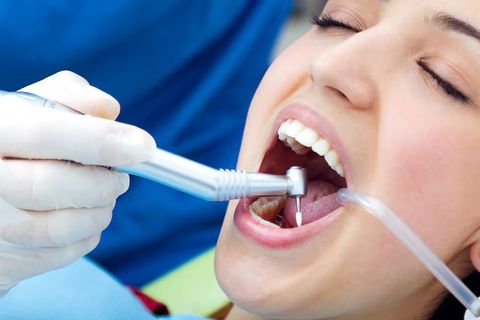
Oral Infections & Treatment: Essential Guide to Causes, Symptoms, and Care Options
Oral infections are medical conditions that affect the mouth, teeth, gums, and surrounding tissues. They occur when harmful bacteria, viruses, or fungi grow within the oral cavity and cause inflammation, damage, or discomfort. The mouth naturally contains many microorganisms, but problems arise when the balance between beneficial and harmful microbes is disrupted.
Oral infections can develop due to poor oral hygiene, untreated cavities, gum disease, injuries, or weakened immunity. These infections may affect different parts of the mouth, including the gums, tongue, cheeks, jawbone, and throat.
Dental professionals study these conditions carefully because oral health is closely connected to overall body health. In some cases, bacteria from the mouth can spread through the bloodstream to other organs.
Common Types of Oral Infections
Some of the most frequently observed oral infections include:
- Tooth abscess
- Gum infections (periodontal infections)
- Oral thrush (fungal infection)
- Viral infections such as cold sores
- Infections caused by advanced tooth decay
Treatment Approach
Oral infection treatment focuses on identifying the cause and controlling microbial growth. It also supports the healing of affected tissues through a combination of care methods.
Treatment may involve:
- Medications such as antibiotics or antifungals
- Dental procedures like root canal or cleaning
- Improved oral hygiene practices
Understanding early warning signs can help prevent complications and support timely care.
Why Oral Infections Matter for Public Health
Oral infections are among the most common health conditions worldwide. Billions of people experience dental diseases such as tooth decay and gum disease during their lifetime.
These infections impact several aspects of daily life, including comfort, communication, and overall health.
Effects on Daily Life
Oral infections can affect:
- Eating ability and nutrition
- Speech and communication
- Physical health
- Quality of life
Potential Complications
If left untreated, oral infections may lead to serious issues such as:
- Severe tooth pain
- Tooth loss and gum damage
- Jawbone infections
- Spread of bacteria to other organs
Connection to Systemic Health
Research has shown links between oral infections and several health conditions, including:
- Cardiovascular disease
- Diabetes complications
- Respiratory infections
- Pregnancy-related issues
Maintaining oral health is therefore an important part of overall healthcare strategies.
Recent Developments in Oral Infection Research
Recent advancements in dental research have improved how oral infections are detected and managed. New technologies and scientific insights are helping professionals identify issues earlier and treat them more effectively.
Key Innovations
Some notable developments include:
- AI-assisted dental imaging tools
- Digital oral scanning systems
- Early detection of gum inflammation and decay
Emerging Research Trends
Recent studies highlight several important trends:
- Increased use of digital dental imaging
- Expanded research on antimicrobial mouth rinses
- Growth in minimally invasive dental treatments
- Greater focus on preventive oral care
Role of Lifestyle Factors
Researchers are also studying how lifestyle choices influence oral health. Diet, tobacco use, and stress levels can significantly impact the risk of oral infections.
These insights support more personalized treatment and prevention strategies.
Regulations and Health Policies Affecting Oral Care
Oral healthcare practices are guided by strict regulations and public health policies. These frameworks help ensure safe and effective dental treatment.
Clinical Safety Standards
Dental clinics typically follow:
- Instrument sterilization protocols
- Infection control guidelines
- Patient safety procedures
- Professional licensing requirements
Oral Health Policies in India
In India, oral healthcare is regulated by:
- Dental Council of India (DCI)
- Ministry of Health and Family Welfare
These organizations oversee education, licensing, and professional standards in dentistry.
Public Health Initiatives
Governments and organizations promote oral health through:
- Preventive healthcare programs
- School-based dental awareness campaigns
- Community hygiene initiatives
Globally, organizations like WHO also emphasize integrating oral health into overall healthcare systems.
Helpful Tools and Resources for Oral Health Awareness
Digital tools and educational resources help individuals monitor and improve oral hygiene. These tools support awareness, early detection, and preventive care.
Common Digital Resources
- Dental health educational websites
- Oral hygiene tracking apps
- Symptom checker tools
- Preventive care guides
- Digital learning platforms
Examples of Practical Tools
- Apps that track brushing habits
- Online dental education portals
- Symptom information databases
- Oral health awareness platforms
Common Oral Infections Overview
| Infection Type | Common Indicators | Possible Causes |
|---|---|---|
| Tooth Abscess | Severe pain, swelling | Bacterial infection in tooth pulp |
| Gum Infection | Bleeding gums, inflammation | Plaque buildup |
| Oral Thrush | White patches in mouth | Fungal growth |
| Cold Sores | Blisters around lips | Viral infection |
Understanding these signs can help individuals seek timely professional evaluation.
Recommended Oral Hygiene Habits
| Oral Hygiene Habit | Recommended Frequency |
|---|---|
| Tooth brushing | Twice daily |
| Flossing | Once daily |
| Dental examination | As advised by professionals |
| Mouth rinsing | Daily routine |
Following these habits can significantly reduce the risk of oral infections.
Frequently Asked Questions About Oral Infections
What causes most oral infections?
Most oral infections are caused by bacteria due to plaque buildup, untreated cavities, or gum disease. Fungal and viral infections can also occur.
What are common symptoms?
Common symptoms include:
- Tooth pain
- Swollen or bleeding gums
- Bad breath
- Sensitivity
- White patches or sores
- Difficulty chewing
Can oral infections affect overall health?
Yes, bacteria from oral infections can sometimes enter the bloodstream and affect other organs such as the heart and lungs.
How can oral infections be prevented?
Preventive steps include:
- Regular brushing and flossing
- Balanced diet
- Routine dental check-ups
- Maintaining oral hygiene habits
When should someone seek professional care?
Professional evaluation is recommended if symptoms such as pain, swelling, or bleeding persist for several days or worsen over time.
Key Observations from Oral Health Studies
Recent research highlights how oral healthcare continues to evolve with technology and awareness.
| Oral Health Trend | Impact |
|---|---|
| Preventive dentistry awareness | Increased public knowledge |
| Digital dental diagnostics | Earlier detection |
| Oral microbiome research | Better understanding of causes |
| Education campaigns | Improved hygiene practices |
These trends reflect ongoing improvements in dental science and public awareness.
Conclusion
Oral infections are common conditions that can affect individuals at any age. They occur when harmful microorganisms disrupt the natural balance of the mouth.
Understanding their causes, symptoms, and prevention methods helps reduce risks and improve oral health. Early detection and proper care are essential to avoid complications.
Advancements in research, improved diagnostics, and public health initiatives continue to strengthen oral healthcare systems. Maintaining consistent hygiene habits and staying informed plays a key role in overall well-being.