Organic Cotton TShirt Guide for Everyday Comfort and Sustainable Fashion
Clothing choices are changing as more people pay attention to comfort, fabric quality, and environmental impact. Everyday fashion is no longer focused only on appearance. Many consumers now explore how materials are produced, how fabrics feel during long wear, and how garments affect long-term sustainability.
This shift has increased interest in the organic cotton TShirt as a practical option for casual and daily clothing. While standard cotton remains widely used, organic cotton introduces a different approach to fabric production that focuses on natural farming methods and reduced chemical processing.
What really matters is not only the sustainability aspect, but also how organic cotton influences softness, breathability, and long-term wearing comfort. In many cases, fabric quality becomes more noticeable after repeated use and washing cycles.
This organic cotton TShirt guide explores how organic cotton garments are produced, what affects their comfort and durability, where practical differences appear, and how sustainable fashion continues evolving in modern clothing markets.
Understanding Organic Cotton TShirts
An organic cotton TShirt is made using cotton grown without synthetic pesticides, genetically modified seeds, or heavily chemical-based farming systems.
Traditional cotton farming often depends on intensive agricultural treatments that may affect soil quality and water usage. Organic cotton production, however, focuses more on natural farming balance and environmental sustainability.
This matters because fabric production affects not only environmental systems but also the feel and performance of clothing materials. The real difference appears when fabric softness, breathability, and long-term comfort are evaluated over time.
Technically, organic cotton fabrics go through controlled farming, harvesting, spinning, and textile production processes designed to maintain cleaner material standards.
A practical example is lightweight organic cotton casual wear that remains breathable and comfortable during warm-weather daily use.
How Organic Cotton Fabric Production Works
Organic cotton production follows a structured agricultural and manufacturing process.
The process begins with organic farming practices that avoid synthetic chemical treatments. This stage matters because soil health and natural cultivation methods influence fiber quality.
After harvesting, cotton fibers are cleaned and processed into yarn using textile manufacturing systems.
The fabric is then woven or knitted depending on the desired texture and flexibility.
Finally, garment production shapes the fabric into finished clothing products such as TShirts, casual tops, and everyday apparel.
A practical example is small-scale sustainable clothing brands using organic cotton fibers for softer fabric textures and reduced environmental impact.
Key Features That Define Organic Cotton Performance
The effectiveness of an organic cotton TShirt depends on several connected factors.
One major factor is breathability. Organic cotton fabrics usually allow better airflow, helping improve comfort during daily wear. What really matters is how the fabric feels during extended use across different temperatures.
Softness is another important feature because natural fiber processing often creates smoother fabric textures.
Durability also affects long-term performance since repeated washing influences shape retention and material strength.
Moisture absorption plays a major role as cotton fibers naturally absorb sweat and improve comfort in warm environments.
The main organic cotton performance factors include:
- Breathability for everyday comfort
- Soft texture for smoother wear
- Durability for long-term use
- Moisture absorption for temperature balance
Together, these elements shape how effectively organic cotton clothing performs during regular use.
Benefits of Organic Cotton TShirts
Organic cotton TShirts provide several practical and environmental advantages.
One major benefit is wearing comfort. Softer textures and breathable fibers improve everyday usability across different climates.
Another advantage is reduced chemical exposure during fabric production. This may matter for people who prefer naturally processed textiles.
Environmental sustainability is another important factor because organic farming generally focuses on soil preservation and reduced synthetic treatment usage.
Long-term fabric feel also tends to remain consistent when garments are maintained properly.
A practical example is travel clothing made from organic cotton because breathable fabrics often improve comfort during long outdoor activities.
Challenges and Limitations
Despite their advantages, organic cotton TShirts also face several challenges.
Production scalability remains one issue because organic farming often requires stricter cultivation standards and more controlled agricultural conditions.
Fabric consistency can also vary depending on fiber processing and manufacturing techniques.
Some organic fabrics may wrinkle more easily compared to synthetic blends.
Environmental benefits may also depend on transportation systems, dyeing processes, and overall manufacturing practices.
A real-world example is fashion brands balancing sustainable material sourcing with large-scale clothing production requirements.
Organic Cotton Comparison: Where Differences Appear
Different fabric types focus on different performance priorities.
Organic cotton fabrics
These prioritize breathability, softness, and environmentally conscious production methods.
Conventional cotton fabrics
These focus more on large-scale manufacturing efficiency and broad availability.
Synthetic fabric blends
These emphasize stretch, moisture resistance, and wrinkle reduction.
The real difference appears when comparing comfort, sustainability, maintenance, and fabric behavior over time. Some materials prioritize flexibility and durability, while others focus more on natural texture and breathable performance.
In many cases, fabric preference depends on climate, lifestyle, and wearing habits.
Decision Guide: Choosing the Right Organic Cotton TShirt
Choosing an organic cotton TShirt depends on several practical factors.
Fabric weight is one important consideration because lightweight and heavyweight cotton create different comfort experiences.
Fit style also affects usability. Relaxed cuts usually improve airflow, while fitted designs focus more on structure and shape.
Climate conditions influence fabric preference as breathable materials perform differently across seasonal environments.
Durability expectations also matter because stitching quality and fabric density affect long-term wear performance.
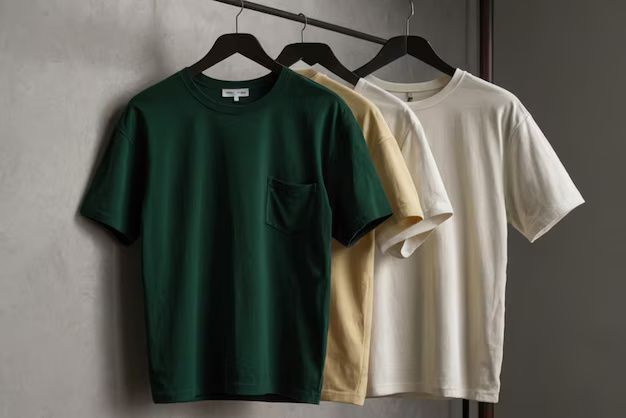
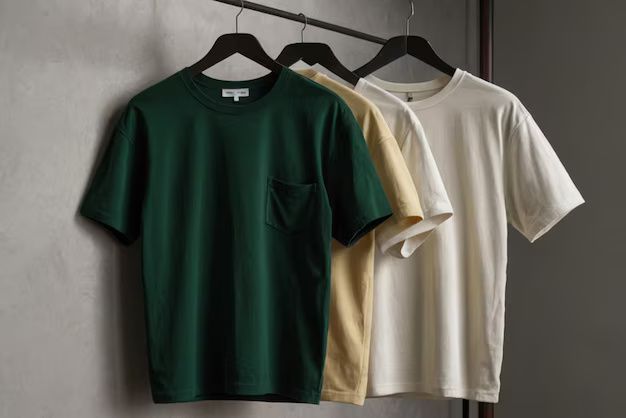
A practical example is minimalist wardrobes using neutral organic cotton basics for flexible everyday styling across multiple occasions.
The real difference appears when comfort, fabric quality, and long-term usability work together naturally.
Real-World Use Cases
Organic cotton TShirts support multiple lifestyle and fashion environments.
Casual daily wear focuses on comfort and breathable fabric performance.
Travel clothing benefits from lightweight and flexible material behavior.
Fitness and outdoor environments often use organic cotton blends for moisture absorption and comfort.
Sustainable fashion collections emphasize environmentally conscious textile production.
A clear example is remote work clothing trends where comfortable organic cotton apparel supports long hours of indoor wear.
Future Trends in Organic Cotton Fashion
The future of organic cotton fashion is moving toward smarter textile production and more sustainable manufacturing systems.
Eco-friendly dyeing technologies are reducing water usage and chemical impact.
Recycled textile integration is improving material reuse within fashion production systems.
AI-driven supply chain monitoring is helping brands improve sustainability tracking.
Consumer awareness around ethical sourcing and environmental impact is also increasing demand for transparent textile production.
What really matters is how future fashion systems balance sustainability, comfort, scalability, and long-term clothing performance.
FAQ
1. What is an organic cotton TShirt?
It is a TShirt made from cotton grown without synthetic pesticides or heavily chemical-based farming methods.
2. Why is organic cotton considered comfortable?
Organic cotton fabrics are often breathable, soft, and suitable for long daily wear.
3. How does organic cotton differ from regular cotton?
The main difference appears in farming methods, chemical usage, and environmental impact.
4. Are organic cotton TShirts durable?
Yes, fabric durability depends on fiber quality, stitching, and garment maintenance.
5. Which environments are suitable for organic cotton clothing?
Casual wear, travel, remote work, and warm-weather environments commonly use organic cotton apparel.
Conclusion
The organic cotton TShirt represents more than a simple fashion trend. It reflects a growing shift toward comfort-focused clothing, environmentally conscious materials, and long-term fabric usability. By combining breathable performance, softer textures, and sustainable production approaches, organic cotton continues influencing modern everyday fashion.
The real challenge lies in balancing sustainability, scalability, and product consistency as demand for responsible clothing grows worldwide.