Athletic Clothes for Women Guide to Understanding Materials Fit and Performance Features
Athletic clothing has become an essential part of modern lifestyles, supporting everything from professional sports and fitness training to yoga sessions, hiking, and everyday active living.
While style often influences purchasing decisions, the performance of athletic clothes for women depends largely on fabric technology, garment construction, fit, and functionality. Understanding these elements helps individuals choose clothing that supports comfort, mobility, and long-term durability across different physical activities.
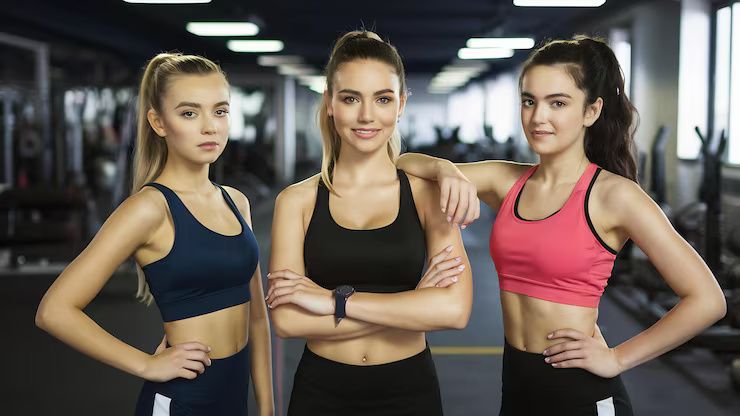
As sportswear continues to evolve, manufacturers are developing innovative materials that improve breathability, moisture management, flexibility, and temperature regulation. Selecting the right apparel is not simply about appearance it is about matching clothing features to the intended activity and personal comfort preferences. This athletic clothes for women guide explains the key materials, fit options, performance features, and practical considerations that contribute to high-quality activewear.
This article explores common fabric types, garment construction, fit characteristics, performance technologies, real-world applications, and important decision-making factors for selecting athletic clothing.
What Are Athletic Clothes for Women?
Athletic clothes for women are garments specifically designed to support physical activity while providing comfort, flexibility, and durability. Unlike regular casual clothing, activewear is engineered to allow unrestricted movement, manage perspiration, and withstand repeated stretching and washing.
These garments include leggings, sports bras, training tops, shorts, jackets, tights, running apparel, yoga wear, and other clothing developed for both recreational and competitive activities.
For example, a runner may prioritize lightweight, moisture-wicking fabrics, while a yoga participant may prefer highly stretchable materials that support a full range of motion.
Common Materials Used in Athletic Clothing
The performance of athletic apparel largely depends on fabric selection.
Polyester
Polyester is one of the most widely used materials in sportswear because it is lightweight, durable, and effective at moving moisture away from the skin. It also dries relatively quickly, making it suitable for high-intensity activities.
Nylon
Nylon provides excellent strength, flexibility, and resistance to abrasion. Many athletic garments combine nylon with other fibers to improve comfort while maintaining durability.
Its smooth texture also contributes to comfortable long-term wear.
Spandex (Elastane)
Spandex offers exceptional stretch and recovery, allowing garments to move naturally with the body. Even small amounts of elastane significantly improve flexibility in leggings, training tops, and compression garments.
Merino Wool
Merino wool is increasingly used for outdoor athletic clothing because of its natural temperature regulation, moisture management, and odor resistance.
It performs well during hiking, running, and cold-weather activities where changing environmental conditions require adaptable clothing.
Recycled Performance Fabrics
Many manufacturers now incorporate recycled polyester and other sustainable materials into athletic clothing, supporting environmental initiatives while maintaining technical performance.
Understanding Fit and Comfort
Proper fit plays an important role in athletic performance and overall comfort.
Compression garments provide close-fitting support that may reduce garment movement during high-intensity activities. Regular-fit apparel offers greater freedom and versatility for general exercise, while relaxed-fit clothing is often preferred for lower-impact activities or casual activewear.
Well-designed seams, ergonomic construction, and strategically placed stretch panels help reduce friction while supporting natural movement.
Comfort also depends on selecting clothing appropriate for both body shape and intended activity.
Key Performance Features
Modern athletic clothing incorporates numerous technologies that improve functionality.
Moisture-Wicking Technology
Moisture-wicking fabrics transfer perspiration away from the skin, helping athletes remain dry during exercise and improving overall comfort.
Breathability
Breathable materials promote airflow, allowing excess body heat to escape more efficiently during physical activity.
Mesh ventilation panels further enhance cooling in high-perspiration areas.
Stretch and Mobility
Four-way stretch fabrics improve flexibility by allowing garments to move comfortably in multiple directions.
This feature is especially valuable during activities requiring dynamic movement, such as yoga, functional training, or court sports.
Flatlock Seams
Flatlock stitching minimizes seam thickness, reducing skin irritation and improving comfort during repetitive movement.
UV Protection
Some outdoor athletic garments include ultraviolet protection that helps reduce sun exposure during prolonged outdoor activities.
Benefits of Choosing Appropriate Athletic Clothing
Selecting suitable activewear contributes to both comfort and performance.
Moisture management helps reduce discomfort caused by perspiration, while flexible fabrics support unrestricted movement throughout workouts.
Durable materials maintain their shape despite repeated washing and frequent use, improving long-term value.
Properly fitted garments may also reduce unnecessary distractions during physical activity, allowing individuals to focus more effectively on training.
For outdoor sports, weather-appropriate materials improve comfort across varying environmental conditions.
Athletic Clothing for Different Activities
Different forms of exercise place unique demands on clothing.
Running apparel often emphasizes lightweight construction, breathability, and moisture management to support endurance activities.
Yoga clothing prioritizes flexibility, softness, and unrestricted movement during stretching and balance exercises.
Strength training garments frequently incorporate compression elements and durable stretch fabrics capable of withstanding repeated motion.
Hiking apparel typically combines moisture control, weather resistance, and temperature regulation to adapt to changing outdoor conditions.
Cycling clothing may include aerodynamic construction, padded components, and close-fitting designs that improve efficiency during extended rides.
Decision Guide: Choosing the Right Athletic Clothing
Selecting the best athletic clothes for women depends on activity type, climate, comfort preferences, fabric characteristics, and intended frequency of use.
Individuals participating in high-intensity workouts often benefit from lightweight moisture-wicking fabrics with excellent breathability. Outdoor enthusiasts may prioritize weather-resistant materials and UV protection, while yoga practitioners frequently prefer highly stretchable garments that move naturally with the body.
An athletic clothes for women comparison typically considers fabric durability, flexibility, moisture management, fit, seam construction, and maintenance requirements.
In many cases, garments made from blended technical fabrics tend to work well because they combine durability with comfort and stretch. However, the ideal choice varies according to the specific activity and personal preferences.
The real difference appears when clothing provides the right balance of comfort, mobility, performance, and durability rather than focusing solely on appearance or fashion trends.
Emerging Trends in Women's Athletic Apparel
Athletic clothing continues evolving through innovation in both textile technology and sustainable manufacturing.
Manufacturers are increasingly using recycled fibers, plant-based materials, and environmentally responsible production methods to reduce environmental impact.
Smart textiles capable of monitoring body temperature, movement, or biometric data are also receiving increased attention in sports performance research.
Seamless garment construction, antimicrobial fabrics, and adaptive ventilation systems continue improving comfort while reducing friction during prolonged physical activity.
These developments are shaping the future of performance apparel across both recreational and professional sports.
Frequently Asked Questions
1. What materials are commonly used in athletic clothes for women?
Polyester, nylon, spandex, merino wool, and recycled performance fabrics are among the most widely used materials.
2. Why is moisture-wicking fabric important?
Moisture-wicking fabrics move perspiration away from the skin, helping maintain comfort during exercise and supporting quicker drying.
3. How should athletic clothing fit?
The ideal fit depends on the activity. Compression, regular-fit, and relaxed-fit garments each provide different levels of support and mobility.
4. What features improve athletic clothing performance?
Breathability, four-way stretch, flatlock seams, moisture management, UV protection, and durable construction all contribute to performance.
5. How do you choose athletic clothing for different sports?
Activity type, climate, movement requirements, fabric technology, comfort, durability, and fit should all be considered when selecting activewear.
Conclusion
Understanding athletic clothes for women involves much more than selecting fashionable activewear. Fabric technology, garment construction, fit, and performance features all work together to improve comfort, support mobility, and enhance durability during physical activity. This comprehensive athletic clothes for women guide demonstrates how different materials and design features meet the demands of various sports and fitness routines. As textile innovation continues advancing, informed choices based on functionality, comfort, and intended use remain essential for achieving the best overall athletic experience.