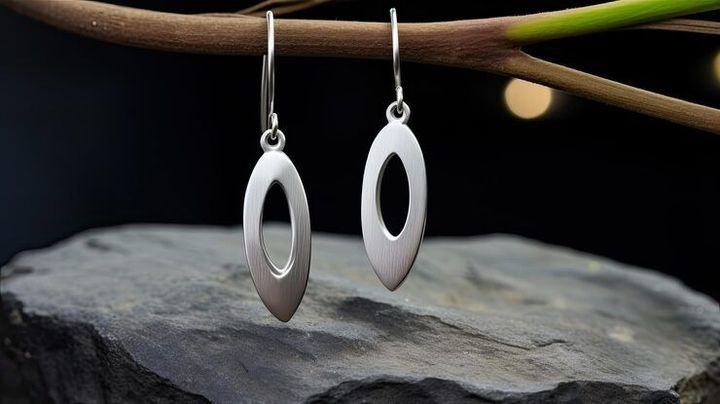
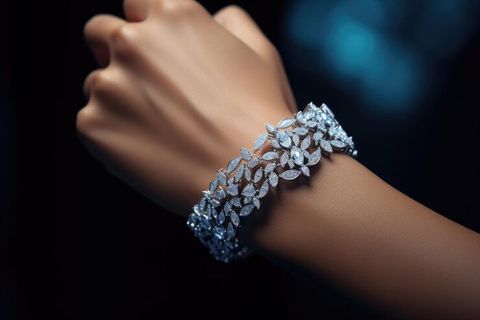
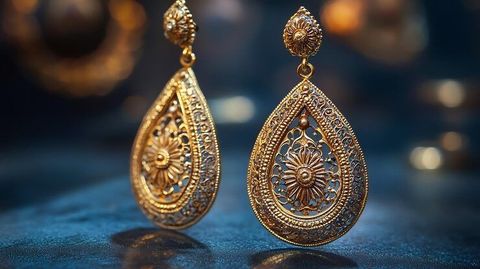
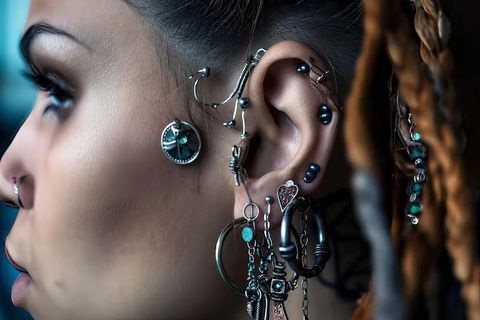
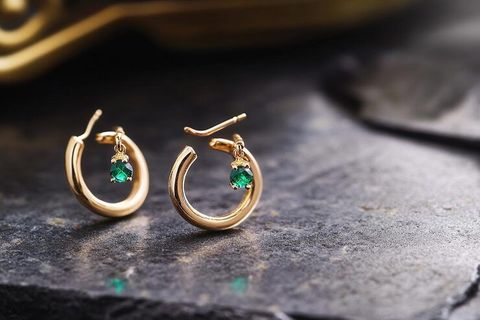
Palladium earrings are a type of jewelry made from palladium, a precious metal known for its natural white appearance and durability. Unlike other white metals, palladium does not require additional plating to maintain its color. This makes it ideal for long-lasting, low-maintenance jewelry.
Jewelry designers prefer palladium because it allows for both minimalist and intricate designs without compromising strength. Its lightweight nature also makes it comfortable for everyday wear.
Common Types of Palladium Earrings
Palladium is used across various earring styles, including:
-
Stud earrings
-
Hoop earrings
-
Drop and dangle designs
-
Minimalist geometric jewelry
-
Contemporary luxury accessories
Why Palladium Earrings Matter in Modern Jewelry
Palladium earrings are becoming increasingly popular due to their balance of durability, appearance, and skin-friendly properties. As consumer preferences shift toward low-maintenance and sustainable materials, palladium offers a reliable alternative to traditional metals.
Another important factor is hypoallergenic compatibility. Many people experience irritation from metals containing nickel, while palladium is generally considered safer for sensitive skin.
Key Benefits
-
Naturally white color without plating
-
High resistance to corrosion and tarnish
-
Lightweight and comfortable
-
Suitable for sensitive skin
-
Long-lasting durability
Industries Influenced by Palladium Jewelry
-
Fine jewelry manufacturing
-
Precious metal refining
-
Luxury accessories design
-
Global metals markets
Design Trends Supported by Palladium
Modern jewelry trends favor clean and minimal aesthetics. Palladium complements these styles due to its subtle shine and structural strength.
-
Clean geometric shapes
-
Architectural jewelry designs
-
Subtle luxury accessories
Recent Developments in Palladium Jewelry Trends
Recent years have seen increased interest in alternative metals like palladium. Designers are experimenting with mixed-metal jewelry, combining palladium with platinum or white gold to create unique textures.
Digital manufacturing tools, especially 3D modeling and CAD software, are now widely used to design intricate palladium pieces. These tools allow designers to test structural integrity before production.
Key Trends in 2025
-
Growth of minimalist palladium stud earrings
-
Increased use of recycled palladium
-
Integration of lab-grown gemstones
-
Expansion of lightweight jewelry designs
Another notable trend is consumer awareness. Buyers are increasingly researching metal composition and comparing palladium with platinum and white gold.
Regulations and Policies Affecting Palladium Jewelry
Palladium jewelry is subject to various regulations to ensure transparency and consumer protection. One key requirement is hallmarking, which indicates the purity level of the metal.
Palladium Hallmark Standards
| Palladium Purity Mark | Metal Content |
|---|
| Pd950 | 95% Palladium |
| Pd500 | 50% Palladium |
Different countries enforce their own hallmarking standards. For example:
-
United States: FTC Jewelry Guides regulate labeling
-
United Kingdom: Assay offices verify and mark precious metals
Other Regulatory Areas
-
Precious metal import regulations
-
Responsible sourcing initiatives
-
Environmental mining policies
Governments also promote recycling programs to recover palladium from industrial and electronic waste.
Tools and Resources for Understanding Palladium Jewelry
Various tools help both professionals and consumers understand palladium and its applications in jewelry. These tools support design, analysis, and market research.
Useful Tools
-
Metal composition calculators
-
CAD jewelry design software
-
Precious metals market platforms
-
Hallmark identification guides
-
Certification databases
Overview of Digital Tools
| Tool Type | Purpose |
|---|
| Jewelry CAD Software | Create digital designs |
| Metal Composition Calculators | Estimate alloy proportions |
| Market Data Platforms | Track metal price trends |
| Hallmark Databases | Identify purity markings |
These tools allow designers to create precise models and help consumers better understand jewelry materials.
Frequently Asked Questions
What makes palladium suitable for earrings?
Palladium is lightweight, corrosion-resistant, and naturally white in color. These features make it ideal for everyday jewelry.
Is palladium different from platinum?
Yes, palladium is lighter and less dense than platinum, although both are durable and corrosion-resistant metals.
Do palladium earrings change color over time?
Palladium maintains its natural white appearance and does not require plating, so it resists discoloration.
Are palladium earrings hypoallergenic?
Palladium is generally considered skin-friendly and is less likely to cause allergic reactions.
Why is palladium used in both jewelry and technology?
Its resistance to corrosion and ability to withstand high temperatures make it useful in electronics, automotive components, and jewelry.
Conclusion
Palladium earrings represent a modern evolution in jewelry materials, offering a combination of durability, lightweight comfort, and natural brightness. These qualities make them suitable for both everyday wear and luxury designs.
As trends continue to shift toward sustainability and advanced design technologies, palladium is gaining importance in the jewelry industry. Its compatibility with modern aesthetics and manufacturing techniques ensures its continued relevance.
Understanding palladium earrings also provides insight into broader industry changes, including material innovation, consumer awareness, and global metal market dynamics.