Paper Recycling Machines: Explore the Process and Innovative Methods for Sustainability
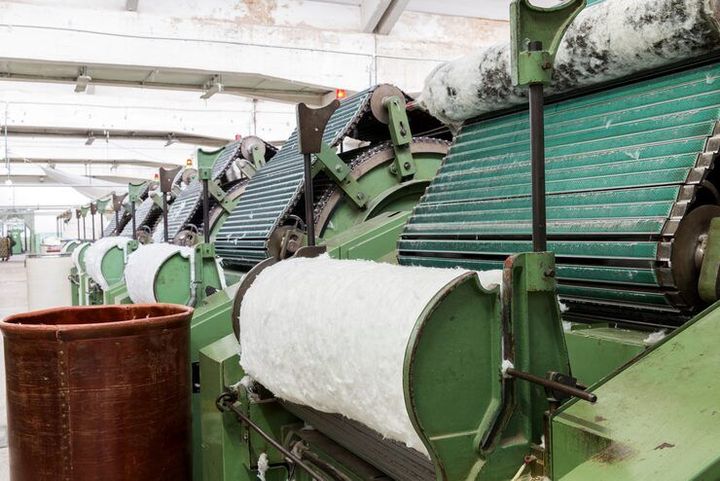
Paper recycling machines are specialized equipment designed to convert waste paper into reusable pulp or new paper products. These machines are essential in the effort to reduce deforestation, save energy, and minimize landfill waste. They function by breaking down paper fibers, removing contaminants, and forming them into sheets or rolls ready for industrial or domestic use.
Paper recycling machines are essential tools in modern waste management, designed to convert used paper into reusable pulp for new products. Their development is driven by the growing demand for paper and the environmental challenges associated with traditional paper production.
By supporting circular economy practices, these machines help reduce waste, conserve resources, and promote sustainable manufacturing.
Why Paper Recycling Machines Matter Today
Paper recycling machines play a crucial role in environmental conservation and industrial efficiency. Their impact extends across multiple sectors.
Key Benefits
- Environmental Impact: Reduces dependence on raw wood, conserving forests and ecosystems
- Energy Efficiency: Uses significantly less energy than producing paper from virgin materials
- Waste Management: Decreases landfill waste and lowers methane emissions
- Economic Benefits: Provides a steady supply of recycled material for industries
These machines benefit governments, businesses, and communities by supporting sustainable waste management strategies.
Recent Trends and Updates in Paper Recycling Machines
Advancements in technology have improved the efficiency and accessibility of paper recycling systems in recent years.
Key Trends
- Automation and Smart Controls (2025–2026): AI-based sensors detect contaminants and optimize fiber recovery
- Energy-Efficient Systems: New machines consume up to 30% less electricity
- Compact and Modular Designs: Smaller systems enable local recycling and reduce transport emissions
- Sustainable Additives: Eco-friendly chemicals improve pulp quality without harmful side effects
Industry reports in 2025 indicate an approximate 18% increase in adoption of automated and modular recycling systems worldwide.
Laws and Policies Governing Paper Recycling
Paper recycling is regulated to ensure environmental protection and sustainable operations.
Key Regulations
- Waste Paper Management Rules: Require proper segregation and recycling practices
- Recycling Incentive Programs: Offer tax benefits or grants for adopting modern machines
- Emission Standards: Limit pollutants and require filtration and water treatment systems
- Extended Producer Responsibility (EPR): Holds manufacturers accountable for product lifecycle
Compliance with these policies ensures responsible and legally sound recycling operations.
Tools and Resources for Paper Recycling
Various tools and resources help improve efficiency and ensure best practices in paper recycling processes.
Key Resources
- Recycling calculators for estimating energy and water savings
- Government portals for compliance guidelines
- Industry reports for technology insights
- Training manuals for safe machine operation
- Waste tracking software for monitoring performance
Tools Overview Table
| Tool / Resource | Purpose |
|---|---|
| Recycling Calculators | Measure environmental savings |
| Government Websites | Provide regulatory guidance |
| Industry Reports | Share trends and innovations |
| Training Templates | Guide safe machine operation |
| Waste Tracking Software | Monitor efficiency and output |
Key Considerations and Best Practices
Efficient use of paper recycling machines requires proper planning and operational discipline.
Best Practices
- Proper Sorting: Separate paper types to improve output quality
- Regular Maintenance: Prevent breakdowns and ensure consistent performance
- Resource Optimization: Manage water and energy efficiently
- Staff Training: Equip operators with knowledge of safety and machine handling
Machine Features and Benefits
| Machine Feature | Modern Trend | Benefit |
|---|---|---|
| Automation Sensors | AI-based | Real-time contaminant detection |
| Energy Usage | Low-power | Reduced operational costs |
| Modular Design | Compact systems | Suitable for small facilities |
| Pulp Quality Control | Eco-friendly chemicals | High-quality recycled output |
Frequently Asked Questions
What types of paper can be recycled?
Most machines process office paper, newspapers, cardboard, and packaging materials. Specialized equipment may be needed for coated papers.
How are contaminants removed?
Through shredding, pulping, and screening processes that separate inks, adhesives, and plastics.
Are modern machines energy-efficient?
Yes, newer systems include energy-saving motors and optimized processing technologies.
Can recycled paper be used for printing?
High-quality recycled pulp can be used for printing, packaging, and tissue products.
How much space is required?
Industrial machines need large facilities, while compact modular units can operate in smaller centers.
Conclusion
Paper recycling machines are a cornerstone of sustainable waste management and manufacturing. They help conserve natural resources, reduce environmental impact, and support circular economies.
With advancements in automation, energy efficiency, and modular design, these machines are becoming more effective and accessible. By following best practices and regulatory guidelines, organizations and communities can maximize their benefits and contribute to a more sustainable future.