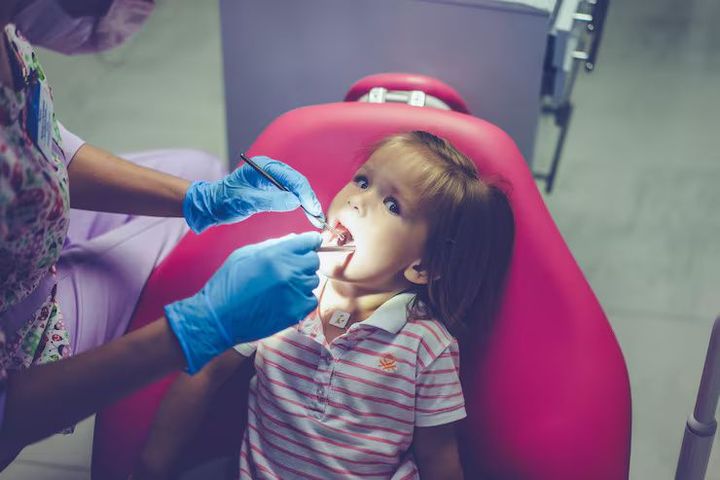
Children begin developing their first teeth within the first year of life. These early teeth, often called primary or baby teeth, help children chew food, develop speech, and guide the alignment of permanent teeth.
Because these teeth are still developing, they require careful attention to hygiene and nutrition. Early care plays a key role in preventing future dental problems.
Understanding Pediatric Oral Health Education
Pediatric oral health education helps parents, caregivers, teachers, and healthcare professionals understand how daily habits influence dental development. It focuses on building awareness about hygiene and preventive care.
Regular brushing routines, balanced diets, and preventive dental visits are essential. These practices support healthy teeth and long-term oral well-being.
Core Practices in Pediatric Dental Care
-
Establishing daily brushing and flossing routines
-
Encouraging balanced nutrition and limiting sugary snacks
-
Monitoring tooth development and alignment
-
Maintaining routine dental checkups
-
Teaching children healthy oral hygiene habits
These habits help children develop strong dental care routines that last into adulthood.
Why Pediatric Oral Health Matters Today
Children’s dental health is closely linked to their overall well-being. Early prevention reduces the risk of serious dental issues later in life.
Today, pediatric oral health impacts multiple groups:
-
Parents and caregivers managing hygiene routines
-
Healthcare providers monitoring development
-
Schools promoting student wellness
-
Public health organizations addressing tooth decay
Tooth decay remains one of the most common chronic conditions among children worldwide. Poor hygiene, sugary drinks, and lack of awareness are major contributing factors.
Common Complications of Poor Oral Health
-
Difficulty eating certain foods
-
Speech development challenges
-
Gum infections
-
Misalignment of permanent teeth
-
Pain during daily activities
Preventive care helps reduce these risks. Children who learn proper hygiene early are more likely to maintain it throughout life.
Recent Updates in Pediatric Dental Health
Recent years have seen important developments in pediatric oral health awareness. These changes focus on prevention, education, and technology.
In 2025, global health organizations continued promoting early childhood dental programs. These initiatives encourage early dental visits and parental education.
Key Trends and Innovations
-
Increased use of mobile apps for brushing reminders and education
-
Research supporting fluoride toothpaste for cavity prevention
-
Public campaigns reducing sugary beverage consumption
-
Growth of telehealth for dental consultations
-
Improved dental imaging for early detection
These advancements highlight a growing emphasis on preventive care and digital support tools.
Laws and Policies Affecting Pediatric Oral Health
Government policies play a major role in shaping pediatric dental care. Many countries include oral health programs within national healthcare systems.
These initiatives aim to reduce tooth decay and promote awareness.
Common Policy Approaches
-
National oral health awareness campaigns
-
School dental screening programs
-
Sugar content regulations in food and beverages
-
Fluoride guidelines in water systems
-
Child healthcare policies including dental monitoring
In India, pediatric dental awareness is supported through school programs and public health campaigns. These efforts encourage early hygiene habits among children.
Helpful Tools and Resources for Pediatric Oral Health
Various tools and resources help families maintain children’s dental health. These solutions support consistent routines and better awareness.
Common Tools for Parents and Caregivers
-
Mobile apps for tracking brushing habits
-
Educational websites on oral hygiene
-
Interactive dental care guides
-
Toothbrushing timers for children
-
Nutrition guides promoting healthy diets
Oral Hygiene Tools and Their Purpose
| Tool or Resource | Purpose |
|---|
| Toothbrushing timer apps | Encourage proper brushing duration |
| Educational dental websites | Provide child-friendly information |
| Nutrition trackers | Monitor sugar intake in children’s diets |
| Pediatric dental charts | Track tooth development stages |
| Interactive oral health games | Teach children dental hygiene habits |
Recommended Daily Habits
-
Brushing teeth twice daily with fluoride toothpaste
-
Supervising brushing for younger children
-
Encouraging water instead of sugary drinks
-
Providing balanced, tooth-friendly meals
-
Replacing toothbrushes regularly
Age-Based Oral Hygiene Routine
| Age Group | Recommended Routine |
|---|
| Infants | Clean gums with a soft cloth |
| Toddlers | Supervised brushing twice daily |
| School-age | Brushing and flossing habits |
| Teenagers | Independent hygiene with routine checkups |
Frequently Asked Questions About Pediatric Oral Health
When should children start brushing their teeth?
Children can begin brushing as soon as their first tooth appears. Parents should supervise brushing and use a small amount of fluoride toothpaste.
Why are baby teeth important?
Baby teeth help with chewing, speech development, and guiding permanent teeth into proper alignment.
How do sugary foods affect dental health?
Sugary foods increase the risk of tooth decay. Bacteria in the mouth produce acids that damage tooth enamel.
How often should children brush?
Children are generally encouraged to brush twice daily, in the morning and before bedtime.
What are early signs of dental problems?
Signs may include tooth sensitivity, visible spots, gum redness, or discomfort while chewing.
Conclusion
Pediatric oral health plays a vital role in a child’s overall development. Healthy teeth support eating, speaking, and confidence during early years.
As awareness grows, dental education continues to expand through research, technology, and public health programs. These efforts emphasize prevention and early care.
Parents, caregivers, schools, and healthcare professionals all contribute to building strong oral hygiene habits. With consistent care and education, children can maintain healthy teeth for life.