Pet Food Guide: Explore Nutrition, Ingredients and Healthy Choices
Pet food plays an important role in supporting the health, growth, and daily well-being of companion animals. Whether caring for a dog, cat, bird, rabbit, or another household pet, choosing suitable nutrition helps maintain energy levels, healthy digestion, and overall physical condition. Understanding pet food ingredients, nutritional values, and feeding recommendations allows pet owners to make informed decisions based on the specific needs of their animals.
Modern pet nutrition has evolved significantly over the years. Manufacturers now develop recipes that consider age, breed, activity level, allergies, and medical conditions. As awareness of animal health continues to grow, many pet owners are learning more about reading food labels, evaluating ingredients, and following veterinary guidance. A balanced pet food guide can help explain these topics in a clear and practical way.
Context – What Pet Food Is, Background, and Purpose
Pet food refers to specially prepared food formulated to meet the nutritional requirements of domesticated animals. Unlike many human foods, pet food is designed according to the dietary needs of different species. Dogs, cats, birds, fish, and small mammals each require unique combinations of proteins, fats, carbohydrates, vitamins, and minerals.
The primary purpose of pet food is to provide complete and balanced nutrition throughout every stage of life. Puppies and kittens require nutrients that support growth, while adult and senior pets need diets that maintain body condition and organ health.
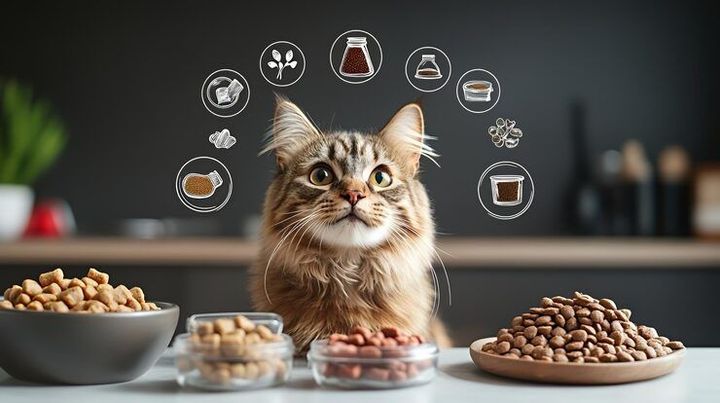
Common categories of pet food include:
- Dry food (kibble)
- Wet or canned food
- Semi-moist food
- Fresh prepared diets
- Prescription diets recommended by veterinarians
The ingredients used vary depending on the animal and product formulation. Common ingredients include meat, fish, poultry, grains, vegetables, legumes, vitamins, minerals, and natural preservatives.
Common Types of Pet Food
| Pet Food Type | Typical Features | Suitable For |
|---|---|---|
| Dry Food | Long shelf life and convenient storage | Daily feeding for many pets |
| Wet Food | Higher moisture content | Pets needing extra hydration |
| Fresh Diets | Refrigerated ingredients | Selected feeding plans |
| Veterinary Diets | Developed for specific health conditions | Pets under veterinary care |
| Limited Ingredient Diets | Fewer ingredients | Pets with food sensitivities |
Importance – Why It Matters and Who It Affects
Good pet nutrition directly influences physical health, immune function, digestion, skin condition, and energy levels. A balanced diet helps animals receive essential nutrients in appropriate amounts without unnecessary deficiencies or excesses.
Pets of different ages require different nutritional profiles. Young animals need higher protein and calorie levels to support development. Adult pets generally require balanced maintenance diets, while senior pets often benefit from foods that support joint health and healthy body weight.
Proper nutrition also affects:
- Healthy muscle development
- Bone strength
- Dental health
- Coat quality
- Digestive health
- Immune system function
Pet food choices also affect pet owners, veterinarians, breeders, shelters, and animal welfare organizations. Understanding nutrition contributes to responsible pet ownership and supports long-term health management.
Certain pets may require specialized nutrition due to:
- Food allergies
- Digestive disorders
- Diabetes
- Kidney disease
- Obesity
- Heart conditions
Veterinarians often recommend dietary adjustments based on medical examinations rather than general trends.
Recent Updates – Trends and Developments from 2024–2026
The pet nutrition industry has continued to develop between 2024 and 2026, with increased attention to ingredient transparency, sustainability, and scientific research.
Manufacturers are providing more detailed ingredient information and nutritional analysis on product labels. Many packaging designs now explain protein sources, vitamin content, and feeding recommendations more clearly.
Emerging Nutrition Trends
Several developments have become more common during this period:
- Greater emphasis on complete and balanced nutrition
- Improved ingredient traceability
- Increased use of recyclable packaging
- Expanded veterinary nutrition research
- Digital feeding guides and nutrition calculators
- Personalized feeding recommendations based on pet characteristics
Research has also focused on digestive health, gut microbiome balance, and functional ingredients that may support overall wellness when included as part of balanced diets.
Pet owners increasingly use digital resources to compare nutritional information and calculate recommended daily feeding amounts according to body weight and activity levels.
Laws or Policies – Relevant Rules, Regulations, or Government Policies
Pet food is regulated in many countries to help ensure safety, accurate labeling, and nutritional adequacy.
Although regulations differ by region, they commonly address:
- Ingredient safety
- Manufacturing standards
- Product labeling
- Nutritional claims
- Quality control procedures
- Recall procedures when necessary
In the United States, pet food labeling generally follows regulations established by federal authorities together with nutritional guidance developed through recognized industry organizations.
Within the European Union, pet food manufacturers follow regulations related to feed hygiene, ingredient safety, labeling requirements, and animal health standards.
Many countries also require manufacturers to include important label information such as:
- Ingredient list
- Guaranteed analysis
- Feeding instructions
- Manufacturer details
- Storage recommendations
- Expiration or best-before dates
Consumers should read product labels carefully and consult veterinary professionals when selecting food for pets with special dietary requirements.
Tools and Resources – Useful Websites, Calculators, Templates, or Platforms
Several educational resources help pet owners better understand nutrition and feeding practices.
Useful resources include:
- Veterinary clinic educational materials
- University veterinary nutrition publications
- Government animal health agencies
- Pet nutrition calculators
- Body condition score charts
- Feeding schedule templates
Helpful tools may include:
| Tool | Purpose |
|---|---|
| Feeding Calculator | Estimates daily food portions based on weight |
| Body Condition Chart | Evaluates healthy body weight |
| Ingredient Label Guide | Helps interpret food labels |
| Nutrition Journal | Tracks dietary changes and observations |
| Veterinary Consultation Notes | Records nutrition recommendations |
These resources should complement professional veterinary advice rather than replace medical guidance for pets with health concerns.
FAQs
What should I look for when choosing pet food?
Look for products that provide complete and balanced nutrition appropriate for your pet's species, age, size, and health status. Review ingredient lists, feeding instructions, and nutritional information.
How often should pets be fed?
Feeding frequency depends on the species, age, activity level, and health of the animal. Puppies and kittens usually require more frequent meals than healthy adult pets. Veterinary guidance can help determine appropriate schedules.
Are grain-free diets necessary for every pet?
No. Grain-free diets are not necessary for every animal. Dietary choices should be based on individual nutritional needs and veterinary recommendations rather than general trends.
Why is reading the ingredient label important?
Ingredient labels provide information about the food's composition, nutritional content, and feeding guidance. Understanding labels helps pet owners compare products more effectively.
When should I consult a veterinarian about pet nutrition?
Veterinary advice is recommended when a pet develops digestive problems, food allergies, unexplained weight changes, chronic illness, or requires a specialized diet.
Conclusion
Pet food is much more than a daily meal—it provides the nutrients needed to support growth, health, and overall well-being throughout every stage of a pet's life. Learning about nutrition, ingredients, labeling, and feeding recommendations helps pet owners make informed decisions based on individual needs.
As research continues to improve pet nutrition between 2024 and 2026, educational resources and scientific guidance remain valuable for understanding healthy feeding practices. Responsible nutrition, regular veterinary care, and careful observation together contribute to supporting long-term animal health.
Choosing appropriate pet food involves considering factors such as species, age, activity level, and health condition rather than following general trends alone. Reliable information and professional guidance help ensure balanced nutrition throughout a pet's lifetime.