Teeth Whitening Guide: Essential Methods, Benefits, and Oral Care Information
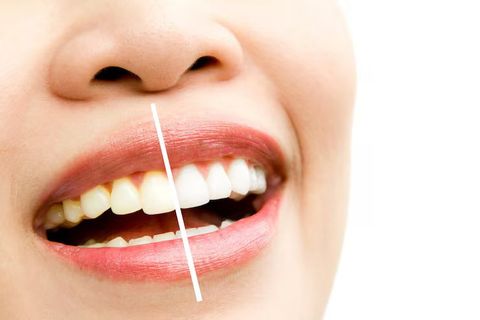
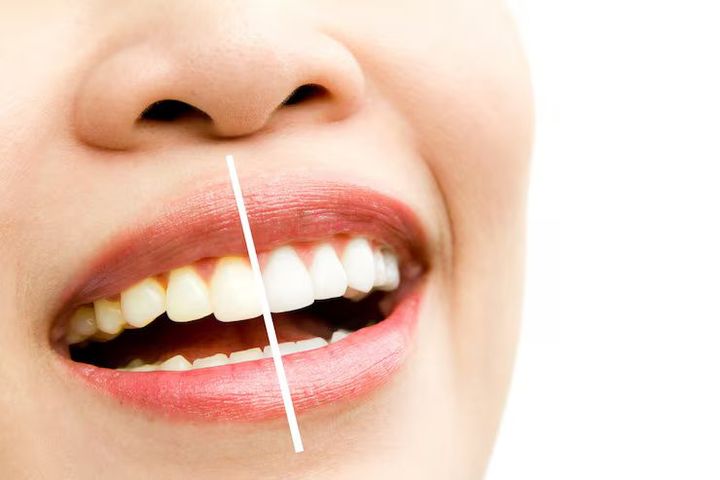
Teeth whitening is a cosmetic dental procedure designed to improve the appearance of teeth by reducing stains and discoloration.
Over time, teeth can become darker due to factors such as aging, dietary habits, tobacco use, certain medications, and inadequate oral hygiene. The growing interest in dental aesthetics has increased awareness of various teeth whitening methods available today.
The concept of teeth whitening has evolved significantly over the years. Earlier approaches relied mainly on abrasive cleaning techniques, while modern methods use specially formulated whitening agents that target stains more effectively. Today, individuals can choose from several options, including professional teeth whitening, laser teeth whitening, cosmetic teeth whitening procedures, and at-home whitening products.
Many people seek teeth whitening for stained teeth caused by coffee, tea, red wine, smoking, or natural aging. Understanding the available methods and their limitations can help individuals make informed decisions about their oral care.
Common Causes of Tooth Discoloration
Tooth staining generally falls into two categories:
- Extrinsic stains: Surface stains caused by food, beverages, tobacco, and poor oral hygiene.
- Intrinsic stains: Discoloration within the tooth structure caused by aging, trauma, medications, or developmental conditions.
The type of stain often influences the whitening method that may be appropriate.
Types of Teeth Whitening Approaches
Several whitening approaches are commonly used:
- Professional teeth whitening performed in a dental setting.
- Laser teeth whitening that uses light technology alongside whitening agents.
- Cosmetic teeth whitening procedures focused on improving appearance.
- Take-home whitening trays prescribed by dental professionals.
- Over-the-counter whitening products such as strips and whitening toothpaste.
Each method varies in procedure, treatment duration, and expected outcomes.
Importance
Teeth appearance can influence how people perceive their smiles and overall appearance. While tooth color does not always reflect oral health, visible stains can affect confidence in social and professional settings.
Why Teeth Whitening Matters
Many daily habits contribute to tooth discoloration. Foods and beverages containing pigments can gradually stain enamel, while aging naturally causes enamel to thin and expose darker dentin beneath.
Teeth whitening addresses several common concerns:
- Surface stains from beverages and foods.
- Discoloration associated with aging.
- Yellowing caused by tobacco products.
- Uneven tooth color resulting from lifestyle habits.
Oral Health Awareness
Interest in whitening treatments often encourages individuals to pay closer attention to oral hygiene practices. Brushing, flossing, and regular dental examinations remain important aspects of maintaining healthy teeth regardless of whitening goals.
It is important to recognize that whitening procedures improve tooth color but do not treat cavities, gum disease, or other dental conditions. These issues typically require separate dental care.
Comparison of Common Whitening Methods
| Whitening Method | Typical Setting | Treatment Time | Suitable for Surface Stains |
|---|---|---|---|
| Professional teeth whitening | Dental clinic | One or multiple visits | Yes |
| Laser teeth whitening | Dental clinic | Often completed in a single visit | Yes |
| Whitening trays | Home with dental guidance | Several days or weeks | Yes |
| Whitening strips | Home | Multiple applications | Mild to moderate stains |
| Whitening toothpaste | Home | Ongoing use | Surface stains only |
Recent Updates
Recent developments in teeth whitening have focused on convenience, safety, and improved treatment customization. Dental professionals increasingly evaluate the type and cause of discoloration before recommending whitening options.
Growing Interest in Same Day Teeth Whitening
Many dental clinics now provide same day teeth whitening procedures that aim to brighten teeth during a single appointment. These treatments often appeal to individuals preparing for special occasions or professional events.
Same day teeth whitening generally involves higher-concentration whitening agents administered under professional supervision. Results may vary depending on the original shade and type of staining.
Advances in Whitening Technology
Newer whitening systems continue to improve application methods and treatment monitoring. Developments include:
- Enhanced whitening gels designed to reduce sensitivity.
- More precise light-assisted whitening systems.
- Digital shade assessment tools for measuring treatment progress.
- Customized whitening trays created using digital dental impressions.
Increased Focus on Tooth Sensitivity
One of the most common concerns associated with whitening procedures is temporary tooth sensitivity. Recent product development has emphasized ingredients intended to minimize discomfort while maintaining whitening effectiveness.
Many professionals now conduct a teeth whitening consultation before treatment to identify risk factors such as enamel wear, gum recession, or existing dental conditions.
Personalized Cosmetic Dentistry
Cosmetic teeth whitening is increasingly being integrated into broader cosmetic dental planning. Dental professionals often evaluate overall smile aesthetics, existing restorations, and patient expectations before selecting an appropriate whitening approach.
Laws or Policies
Teeth whitening practices are regulated differently around the world. Regulations generally focus on patient safety, product ingredients, and professional oversight.
Professional Oversight
In many countries, professional teeth whitening procedures must be performed or supervised by licensed dental professionals. These regulations help ensure appropriate patient evaluation and safe application of whitening materials.
Dental professionals typically assess:
- Existing oral health conditions.
- Tooth sensitivity risks.
- Potential causes of discoloration.
- Suitability for whitening treatment.
Product Regulations
Government agencies often regulate whitening products based on their active ingredients and concentration levels. Manufacturers are generally required to provide ingredient information and safety instructions.
Regulations may address:
- Permitted whitening ingredients.
- Labeling requirements.
- Consumer safety warnings.
- Marketing and advertising standards.
Consumer Protection
Advertising rules in many regions require that cosmetic dental claims remain factual and supported by evidence. This helps reduce misleading information related to whitening outcomes.
Individuals seeking affordable teeth whitening options should review treatment information carefully and understand that results can vary depending on the cause of discoloration and individual oral health factors.
Tools and Resources
Various tools and resources can help individuals learn about teeth whitening and maintain oral health.
Dental Association Websites
National and regional dental associations often provide educational materials about whitening procedures, oral hygiene practices, and cosmetic dentistry.
Examples include:
- Dental health information portals.
- Oral hygiene educational guides.
- Patient information resources on whitening treatments.
Shade Guides
Dental professionals frequently use shade guides to compare tooth color before and after whitening treatment. Digital shade-matching tools have become increasingly common in modern dental practices.
Oral Health Tracking Apps
Mobile applications can assist users in maintaining oral hygiene routines by tracking:
- Brushing frequency.
- Flossing habits.
- Dental appointment schedules.
- Oral care reminders.
Teeth Whitening Consultation Resources
A teeth whitening consultation may include educational materials explaining:
- Treatment options.
- Potential side effects.
- Expected treatment timelines.
- Maintenance recommendations.
Many teeth whitening clinic websites also provide general educational information about whitening procedures and oral care practices.
Oral Hygiene Products
Common oral care resources include:
- Soft-bristled toothbrushes.
- Fluoride toothpaste.
- Dental floss.
- Interdental cleaners.
- Mouth rinses.
These products support long-term oral health and may help reduce future staining.
FAQs
What is professional teeth whitening?
Professional teeth whitening refers to whitening procedures performed or supervised by a licensed dental professional. These treatments typically use specialized whitening agents and may involve customized treatment plans based on the individual's dental condition.
How does laser teeth whitening work?
Laser teeth whitening generally involves applying a whitening gel to the teeth and using a specialized light or laser device to assist the whitening process. The exact procedure can vary depending on the equipment and treatment protocol used.
Is same day teeth whitening suitable for everyone?
Same day teeth whitening may not be appropriate for every individual. Factors such as tooth sensitivity, gum health, existing restorations, and the cause of discoloration can influence treatment suitability. A teeth whitening consultation can help determine appropriate options.
What causes teeth whitening for stained teeth to be less effective?
Some stains respond differently to whitening treatments. Intrinsic stains caused by certain medications, dental trauma, or developmental conditions may not respond as effectively as surface stains caused by food, beverages, or tobacco.
How can affordable teeth whitening options be compared?
Individuals can compare whitening approaches by considering factors such as treatment setting, duration, expected maintenance requirements, and professional supervision. Understanding the cause of tooth discoloration is also important when evaluating available options.
Conclusion
Teeth whitening is a widely recognized cosmetic dental procedure used to reduce tooth discoloration and improve smile appearance. Modern approaches include professional teeth whitening, laser teeth whitening, take-home treatments, and other whitening methods designed for different types of stains. Advances in technology continue to improve treatment customization and patient comfort. Understanding the causes of discoloration, available treatment options, and relevant regulations can help individuals make informed decisions about cosmetic oral care.