Port Networks: A Complete Guide to Maritime Transportation
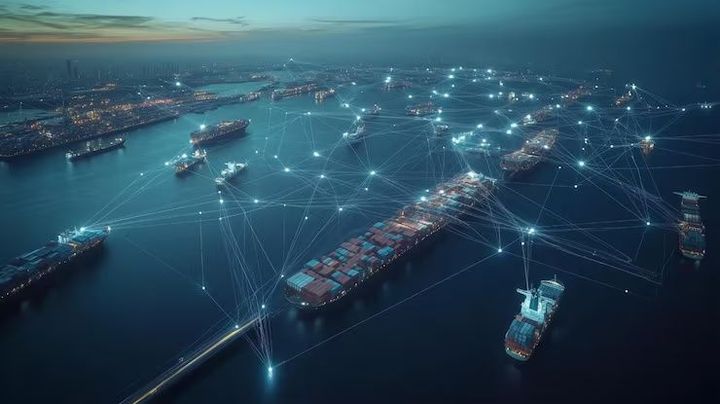
Port networks play a central role in the movement of goods across the world. Every day, thousands of cargo vessels travel between ports, connecting countries, industries, and communities. These connected ports form a network that supports international trade, manufacturing, agriculture, and everyday consumer needs.
Although many people recognize large ports with containers and ships, fewer understand how different ports work together as part of a broader transportation system. A port network is more than a collection of harbors. It is an organized system where ports, shipping routes, railways, roads, inland waterways, and logistics facilities operate together to move cargo efficiently.
This guide explains what port networks are, how they function, the different types of ports involved, the technologies supporting modern operations, common challenges, and future developments shaping maritime transportation.
What Are Port Networks?
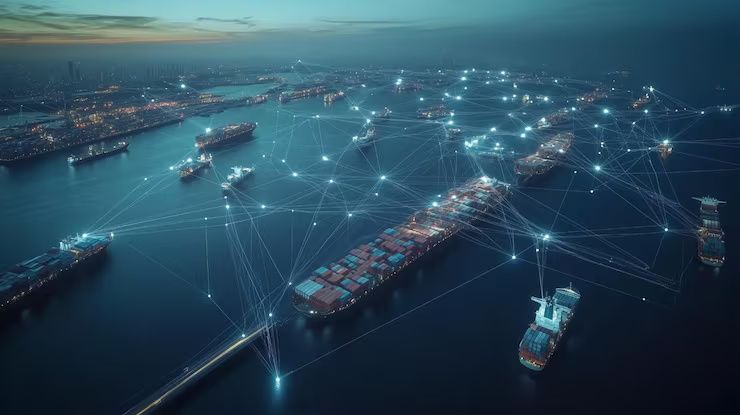
A port network is a connected group of ports linked through shipping routes and inland transportation systems. Instead of operating independently, ports exchange cargo, coordinate schedules, and support regional and international trade.
A typical port network includes:
- Seaports
- River ports
- Inland terminals
- Container terminals
- Rail connections
- Highway transportation
- Warehousing facilities
- Distribution centers
These connections help cargo move smoothly from factories to consumers across different countries.
Why Port Networks Matter
Global trade depends on reliable transportation. Port networks create organized pathways that help move raw materials, industrial equipment, agricultural products, consumer goods, and manufactured items between regions.
Well-connected port networks contribute to:
- Faster cargo movement
- Improved transportation planning
- Better coordination between transportation modes
- Reduced congestion at busy ports
- Stronger regional economic activity
- Increased international trade connections
Without coordinated networks, moving goods across continents would become much slower and more complicated.
Main Components of Port Networks
Several important elements work together inside a port network.
Seaports
Seaports connect maritime transportation with land transportation. They receive cargo vessels arriving from international destinations and transfer goods to trucks or rail systems.
These ports often include:
- Cargo terminals
- Container yards
- Storage facilities
- Customs inspection areas
- Loading equipment
Inland Ports
Inland ports are located away from coastlines but remain connected to seaports through railways, highways, or inland waterways.
They help:
- Reduce congestion at coastal ports
- Improve regional cargo distribution
- Support manufacturing areas
- Expand storage capacity
Container Terminals
Container terminals specialize in handling standardized shipping containers.
Operations include:
- Container loading
- Container unloading
- Temporary storage
- Inspection
- Transfer between ships, trucks, and trains
Containerization has simplified international transportation by making cargo easier to transfer between different transportation methods.
Rail Connections
Rail systems transport large cargo volumes over long distances.
Benefits include:
- Lower fuel consumption per shipment
- Reduced highway traffic
- Efficient bulk transportation
- Reliable scheduling
Many major ports depend heavily on rail connections for inland cargo movement.
Highway Transportation
Trucks complete the final stage of many cargo journeys.
Road transportation connects ports with:
- Factories
- Distribution centers
- Warehouses
- Retail locations
- Industrial facilities
This flexibility makes highways an essential part of port networks.
How Port Networks Operate
Cargo movement follows a structured process.
Cargo Arrival
Ships arrive according to scheduled docking times. Port authorities coordinate berth availability and unloading operations.
Cargo Handling
Large cranes unload containers or bulk materials from vessels.
Cargo may include:
- Machinery
- Electronics
- Agricultural products
- Construction materials
- Chemicals
- Food products
- Consumer goods
Inspection
Government agencies inspect selected shipments to verify documentation and comply with national regulations.
Storage
Some cargo remains temporarily in storage yards before continuing its journey.
Modern storage systems use computerized tracking to identify container locations quickly.
Inland Transportation
Cargo leaves the port through railways, highways, or inland waterways depending on its destination.
Types of Cargo Within Port Networks
Different cargo categories require different handling methods.
Container Cargo
Container shipping handles packaged products such as electronics, clothing, furniture, machinery, and household goods.
Standardized containers improve loading efficiency and reduce handling time.
Bulk Cargo
Bulk cargo includes materials transported without containers, such as:
- Grain
- Coal
- Minerals
- Cement
- Sand
Specialized equipment loads and unloads these materials.
Liquid Cargo
Liquid cargo moves through pipelines connected to storage tanks.
Examples include:
- Petroleum products
- Vegetable oils
- Industrial liquids
- Liquid chemicals
Breakbulk Cargo
Breakbulk cargo consists of large individual items that cannot fit inside standard containers.
Examples include:
- Construction equipment
- Wind turbine components
- Steel beams
- Industrial machinery
Technology Supporting Modern Port Networks
Technology continues to improve cargo movement throughout global port systems.
Digital Cargo Tracking
Tracking software monitors container locations throughout transportation.
Users can monitor:
- Arrival times
- Departure schedules
- Cargo status
- Transportation progress
Automated Equipment
Many ports use automated cranes and guided vehicles to improve efficiency and reduce manual handling.
Automation also supports consistent cargo movement during busy periods.
Smart Sensors
Sensors monitor equipment performance and environmental conditions.
These systems collect information about:
- Crane operations
- Fuel consumption
- Equipment maintenance
- Cargo temperatures
Data Integration
Modern information platforms connect shipping companies, port operators, customs authorities, and transportation providers.
Shared information supports smoother coordination across the network.
Environmental Considerations
Environmental awareness has become an important part of port planning.
Many ports are introducing practices that help reduce environmental impact.
Examples include:
- Shore power connections for docked vessels
- Cleaner cargo handling equipment
- Improved energy management
- Water quality monitoring
- Waste management programs
- Green landscaping around port facilities
These measures support more sustainable port operations while maintaining transportation efficiency.
Challenges Facing Port Networks
Port networks continue adapting to changing global conditions.
Common challenges include:
Congestion
High cargo volumes may create delays during busy periods.
Expanding infrastructure and improving scheduling help reduce congestion.
Weather
Storms, hurricanes, heavy rainfall, and strong winds can interrupt shipping schedules.
Ports develop emergency response plans to manage weather-related disruptions.
Infrastructure Growth
Growing international trade increases demand for larger terminals, deeper channels, expanded rail connections, and additional storage space.
Long-term planning helps ports prepare for future transportation needs.
Cybersecurity
As digital systems become more common, protecting operational data becomes increasingly important.
Ports continue strengthening cybersecurity measures to protect communication networks and cargo information.
The Future of Port Networks
Global transportation continues evolving through technology and infrastructure development.
Future trends include:
- Increased automation
- Artificial intelligence for cargo planning
- Digital documentation
- Improved cargo tracking
- Expanded rail connectivity
- Smarter traffic management
- Alternative energy solutions
- Greater coordination between international ports
These developments aim to improve efficiency while supporting changing trade patterns.
Conclusion
Port networks form the foundation of modern maritime transportation. By connecting ports, railways, highways, inland terminals, and shipping routes, they help move goods between countries and regions every day.
As global trade continues expanding, port networks are adapting through digital technologies, infrastructure improvements, and environmental initiatives. Understanding how these systems operate provides valuable insight into the complex journey that products take before reaching industries, businesses, and households around the world.
Whether transporting agricultural products, industrial equipment, consumer goods, or raw materials, well-organized port networks remain an essential part of international commerce and economic development.