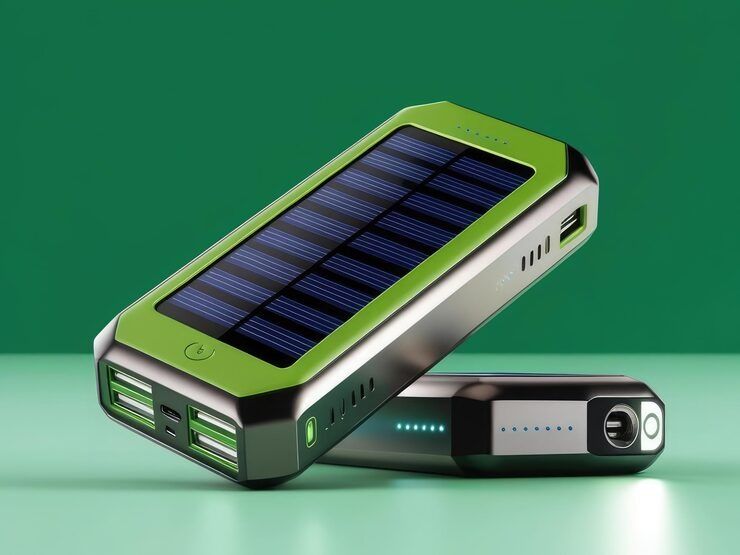
Portable solar chargers are compact energy devices designed to convert sunlight into electrical power that can recharge electronic equipment. They typically include photovoltaic panels, a power management circuit, and output connections that allow users to charge small electronic devices. These chargers were developed to provide electricity in situations where conventional grid power is unavailable, such as outdoor travel, field research, emergency response, or remote work environments.
The technology relies on photovoltaic cells, which transform solar radiation into direct current electricity. This electricity can either charge a built-in battery storage unit or directly power compatible electronics. Portable solar chargers exist because people increasingly rely on digital devices for navigation, communication, and documentation, even in remote areas. As outdoor recreation, remote work, and sustainable energy awareness grow, portable solar charging technology has become a practical solution for mobile power needs.
Why Portable Solar Chargers Matter Today
Portable solar chargers are gaining importance because modern lifestyles depend heavily on continuous access to electricity. Smartphones, GPS units, cameras, communication tools, and lighting systems all require reliable energy sources. When travelers or field professionals operate far from conventional infrastructure, portable solar chargers provide an alternative way to maintain device functionality.
This technology matters for several groups:
-
Outdoor travelers and hikers who rely on navigation and communication tools
-
Emergency responders and humanitarian teams working in disaster-affected areas
-
Field researchers and environmental scientists conducting remote observations
-
Remote workers and digital nomads operating outside traditional offices
-
Rural communities with limited grid infrastructure
Portable solar chargers solve problems related to limited power availability, battery depletion during travel, and dependence on fixed electrical infrastructure. They also support environmentally conscious energy practices by harnessing renewable sunlight rather than relying entirely on grid electricity or fuel-based generators.
Recent Updates and Technology Trends (2024–2025)
In the past year, portable solar charging technology has seen notable improvements in efficiency, durability, and user convenience.
| Year | Development | Impact |
|---|---|---|
| 2024 | Higher-efficiency photovoltaic cells | Improved power output in compact panels |
| 2024 | Lightweight foldable panel designs | Easier transport for hikers and travelers |
| 2025 | Integrated smart charging circuits | Better device compatibility and voltage regulation |
| 2025 | Weather-resistant materials | Improved performance in outdoor environments |
Recent engineering research has also focused on improving energy conversion efficiency and thermal management so that portable chargers maintain stable performance under strong sunlight. Additionally, designers have introduced flexible panel materials and reinforced protective layers that help withstand repeated folding and transport.
Another emerging trend is the integration of hybrid storage solutions, where portable chargers combine solar panels with internal energy storage to provide power even when sunlight is unavailable.
Laws, Regulations, and Policy Influence
Portable solar chargers are influenced by a variety of energy, safety, and environmental regulations. While they are generally classified as consumer electronic devices, their photovoltaic components and electrical circuits must comply with international safety and environmental standards.
Common regulatory frameworks include:
-
Electrical safety standards that regulate voltage limits, insulation, and overheating protection
-
Electromagnetic compatibility rules ensuring devices do not interfere with other electronic equipment
-
Renewable energy promotion programs encouraging solar energy adoption
-
Battery transport and disposal regulations that control lithium battery handling and recycling
In many countries, government renewable energy initiatives promote small-scale solar technology as part of broader sustainability goals. Educational programs and environmental policies increasingly highlight portable solar power as a practical step toward decentralized energy generation.
Tools and Resources for Understanding Portable Solar Charging
Several tools and informational resources help users evaluate and understand portable solar charging technology.
Educational resources
-
Renewable energy learning portals explaining photovoltaic principles
-
University research publications on solar efficiency and material science
-
Environmental organization guides on off-grid energy solutions
Planning and evaluation tools
-
Solar exposure calculators estimating potential sunlight hours
-
Battery capacity comparison charts
-
Energy usage worksheets for travel devices
-
Outdoor gear planning checklists
Digital tools and apps
-
Weather forecasting platforms for solar exposure predictions
-
Navigation apps that support outdoor travel planning
-
Energy monitoring tools that track device charging performance
These resources help travelers and researchers determine whether solar charging systems can meet their energy needs during extended outdoor activities.
Frequently Asked Questions
How do portable solar chargers generate electricity?
They use photovoltaic cells that convert sunlight into electrical current, which can then charge devices or internal batteries.
Do portable solar chargers work on cloudy days?
Yes, but power output may be lower because clouds reduce the amount of sunlight reaching the panels.
What types of devices can be powered by portable solar chargers?
They are commonly used with smartphones, cameras, GPS units, small lighting devices, and other low-power electronics.
Are portable solar chargers suitable for emergency preparedness?
Yes, they provide an alternative energy source during power outages or in remote environments where electricity is limited.
What factors influence charging performance?
Sunlight intensity, panel orientation, temperature, and device energy requirements all affect charging efficiency.
Conclusion
Portable solar chargers represent a practical intersection of renewable energy technology and modern mobility. By converting sunlight into usable electricity, they enable travelers, researchers, and emergency personnel to maintain power access without depending entirely on traditional infrastructure.
Advances in photovoltaic efficiency, materials engineering, and power management continue to improve the reliability and usability of these devices. As global interest in renewable energy and sustainable travel grows, portable solar chargers will likely remain an important component of outdoor power solutions and decentralized energy systems.