Industrial generators are large-scale power machines designed to supply electricity when the main grid is unavailable, unstable, or insufficient. Unlike small portable generators often used for homes or outdoor activities, industrial generators are built to meet the high energy demands of factories, hospitals, data centers, construction sites, and other facilities that cannot afford power interruptions.
The idea of backup power dates back to the early 20th century when industrialization increased reliance on continuous electricity. Any power outage meant costly downtime, damaged machinery, or even risks to human life in critical sectors like healthcare. Industrial generators emerged to solve this problem by providing reliable and immediate alternative power.
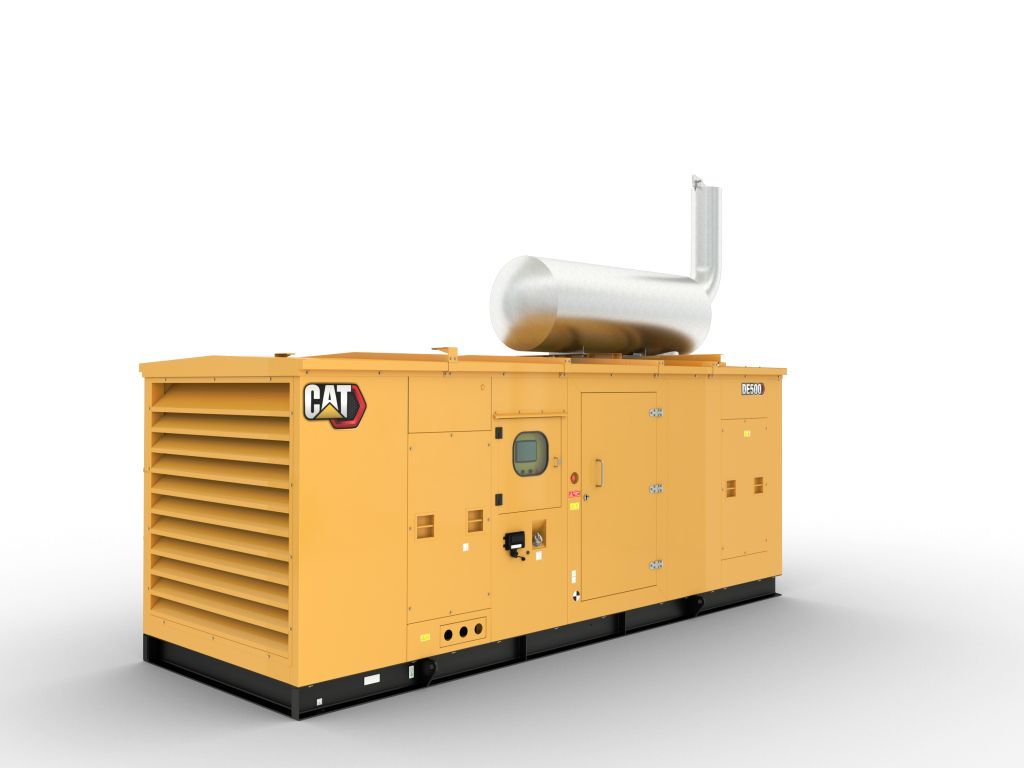
These machines typically run on diesel, natural gas, or other fuels and can operate for extended hours, ensuring uninterrupted power supply for mission-critical operations.
Importance: Why Industrial Generators Matter Today
Electricity is the backbone of modern industries, and even short disruptions can have wide-reaching consequences.
-
Manufacturing: Sudden outages can halt production lines, spoil materials, and cause financial losses.
-
Healthcare: Hospitals rely on continuous power for life-saving equipment, lighting, and climate control.
-
IT and Data Centers: Internet services, cloud storage, and financial systems demand constant uptime.
-
Construction Sites: Remote projects often lack reliable grid connections, making generators essential.
In many countries, aging infrastructure and increasing energy demand contribute to frequent blackouts. Extreme weather events, such as hurricanes, heatwaves, or snowstorms, further threaten grid stability. Industrial generators provide a safeguard, helping industries maintain operations regardless of external conditions.
Problems Solved by Industrial Generators
-
Minimized downtime during outages
-
Protection of sensitive equipment
-
Continuous operation of safety systems
-
Energy independence in remote or developing areas
Recent Updates and Trends
The industrial generator market is evolving, influenced by technological advancements and sustainability goals.
-
Hybrid and Renewable Integration (2024–2025): Companies are increasingly combining traditional diesel generators with solar, wind, or battery storage systems to reduce fuel consumption and emissions.
-
Digital Monitoring (2023 onward): Remote monitoring platforms now allow industries to track fuel usage, performance, and maintenance needs in real time. This reduces unexpected breakdowns.
-
Emission Standards (2024): Several regions, including the U.S. and EU, tightened emissions regulations for diesel generators, pushing manufacturers toward cleaner engines and alternative fuels.
-
Market Growth: According to reports published in late 2024, the global industrial generator market is projected to grow steadily due to rising energy demand in Asia-Pacific and Africa.
Laws and Policies Affecting Industrial Generators
Government policies play a significant role in how industrial generators are manufactured, installed, and used.
Emissions and Environmental Rules
-
United States: The Environmental Protection Agency (EPA) enforces strict emissions standards for diesel and natural gas generators.
-
European Union: The Stage V regulation (effective 2021–2025) sets limits on particulate matter and nitrogen oxide emissions.
-
India: The Central Pollution Control Board (CPCB IV+ norms, effective 2023) regulates air and noise emissions for industrial generators.
Safety and Operational Standards
-
Generators must meet International Electrotechnical Commission (IEC) and ISO standards for safety and efficiency.
-
In many regions, industries must comply with Occupational Safety and Health Administration (OSHA) guidelines for safe installation and operation.
Incentives and Programs
-
Some countries offer tax benefits or subsidies for adopting cleaner, fuel-efficient, or hybrid generator systems.
-
Renewable integration programs encourage industries to combine generators with solar or battery storage, reducing reliance on fossil fuels.
Tools and Resources for Industrial Generator Management
Modern tools make it easier for industries to select, manage, and maintain their generators.
Online Calculators
-
Power Requirement Calculators: Estimate the generator size based on total wattage needs.
-
Fuel Consumption Calculators: Help industries forecast operational costs.
Monitoring and Management Tools
-
IoT-based apps for real-time tracking of generator performance.
-
Maintenance scheduling platforms to reduce breakdown risks.
Educational Resources
-
U.S. Department of Energy (DOE): Guides on efficient energy use and backup systems.
-
European Environment Agency (EEA): Resources on emissions and cleaner energy practices.
-
Industry Whitepapers: Published by global engineering firms to explain trends and technology updates.
Industrial Generators in Numbers
Below is a simplified table comparing key aspects of diesel and natural gas industrial generators:
| Feature | Diesel Generator | Natural Gas Generator |
|---|---|---|
| Fuel Availability | Widely available, portable | Requires gas pipeline access |
| Initial Cost | Moderate | Higher upfront |
| Operating Cost | Higher due to fuel price | Lower in regions with cheap gas |
| Emissions | Higher particulate matter | Cleaner combustion |
| Run Time | Limited by fuel storage | Continuous if pipeline connected |
FAQs on Industrial Generators
1. What is the difference between standby and continuous generators?
-
Standby generators provide backup power during outages and operate only when needed.
-
Continuous generators are designed for constant use, often in areas with no reliable grid.
2. How long can an industrial generator run without stopping?
Most diesel industrial generators can run for 24–72 hours continuously, depending on fuel capacity and cooling systems. Natural gas generators can run indefinitely if connected to a reliable pipeline.
3. Are industrial generators harmful to the environment?
Yes, traditional generators emit greenhouse gases and pollutants. However, newer models with cleaner engines, hybrid systems, or renewable integration reduce environmental impact significantly.
4. How do industries choose the right generator size?
The size depends on the total power load, measured in kilowatts (kW). Tools like online power requirement calculators or professional energy audits help determine the correct capacity.
5. What maintenance do industrial generators need?
Routine checks include oil changes, filter replacements, coolant checks, and battery inspections. Preventive maintenance schedules recommended by manufacturers help avoid breakdowns.
Conclusion
Industrial generators remain vital for powering industries in a world where electricity demand is rising and grid reliability is often uncertain. While traditional diesel models continue to dominate, trends toward cleaner fuels, hybrid systems, and smarter monitoring tools are reshaping the industry.
By understanding their importance, staying updated with regulations, and using available tools, industries can make informed decisions that balance reliability, cost, and sustainability.