Pressure Transmitters: A Simple Guide to Types and Applications
Pressure is an important measurement in many everyday and industrial processes. Whether it is monitoring water flow in a treatment facility, managing air pressure in manufacturing equipment, or ensuring safe operation in energy systems, accurate pressure measurement helps maintain efficiency and reliability. One of the most widely used devices for this purpose is the pressure transmitter.
Although pressure transmitters are commonly found in industrial environments, many people are unfamiliar with how they work and why they are important. Understanding these devices can provide valuable insight into the systems that support modern infrastructure, production, and transportation.

What Is a Pressure Transmitter?
A pressure transmitter is an electronic device that measures the pressure of a gas, liquid, or vapor and converts that measurement into an electrical signal. This signal can then be transmitted to monitoring systems, control panels, or digital displays where operators can track pressure levels in real time.
In simple terms, a pressure transmitter acts as a translator. It takes a physical force—pressure—and transforms it into information that people and machines can understand.
Pressure transmitters are used in a wide range of environments, from water distribution networks and food processing facilities to chemical plants and power generation systems.
Why Pressure Measurement Matters
Pressure is often a critical indicator of system performance. When pressure levels move outside the expected range, equipment may not operate properly, efficiency may decrease, or safety concerns may arise.
For example, in a water pipeline, pressure measurements help operators determine whether water is flowing correctly. In manufacturing, maintaining the right pressure can help ensure product consistency. In heating and cooling systems, pressure monitoring helps maintain stable operation.
Without accurate pressure data, identifying potential issues can become much more difficult.
How Pressure Transmitters Work
At the heart of every pressure transmitter is a sensing element. This component detects pressure changes and responds by producing a measurable electrical effect.
When pressure is applied, the sensing element experiences a small physical change. The transmitter's electronics then process this change and convert it into an electrical output signal.
This signal is sent to a control system where it can be displayed, recorded, or used to trigger automated actions.
Modern pressure transmitters are designed to provide continuous measurements, allowing operators to monitor conditions around the clock.
Main Components of a Pressure Transmitter
Although designs vary, most pressure transmitters contain several key parts:
Sensor Element
The sensor detects pressure changes and serves as the primary measurement component.
Electronics Module
This section converts sensor readings into standardized electrical signals.
Housing
The housing protects internal components from environmental conditions such as dust, moisture, and vibration.
Electrical Connection
This connection allows measured data to be transmitted to monitoring or control systems.
Process Connection
The process connection links the transmitter to the pipe, tank, or equipment where pressure is being measured.
Each component contributes to accurate and reliable operation.
Types of Pressure Transmitters
Different applications require different measurement approaches. As a result, several types of pressure transmitters are commonly used.
Gauge Pressure Transmitters
These devices measure pressure relative to atmospheric pressure. They are often used in applications where understanding pressure above or below the surrounding environment is important.
Absolute Pressure Transmitters
Absolute pressure transmitters measure pressure relative to a perfect vacuum. They are commonly used in scientific, laboratory, and specialized industrial applications.
Differential Pressure Transmitters
A differential pressure transmitter measures the difference between two pressure points. This type is frequently used for flow measurement, filtration monitoring, and liquid level detection.
Sealed Pressure Transmitters
These transmitters use a fixed reference pressure and are suitable for applications where atmospheric pressure variations could affect readings.
Understanding the differences between these types helps engineers select the appropriate device for a specific application.
Common Applications
Pressure transmitters support many industries and operational environments.
Water and Wastewater Management
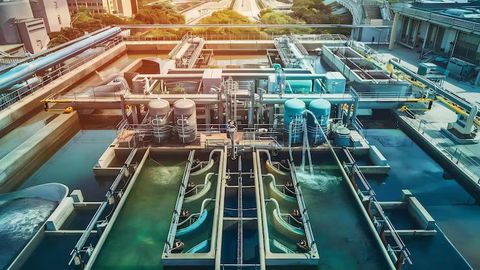
Pressure monitoring helps maintain flow rates, detect leaks, and manage pumping systems.
Manufacturing
Production facilities use pressure transmitters to monitor machinery, production lines, and processing equipment.
Energy and Utilities
Power plants and utility networks rely on pressure measurements to maintain stable system performance.
Oil and Gas Operations
Pressure monitoring supports exploration, transportation, storage, and refining activities.
Food and Beverage Production
Many processing systems require precise pressure control to maintain product quality and operational consistency.
Building Systems
Heating, ventilation, air conditioning, and plumbing systems often include pressure transmitters to monitor performance.
These examples demonstrate the broad role pressure transmitters play in modern infrastructure.
Benefits of Using Pressure Transmitters
Pressure transmitters provide several practical advantages.
Continuous Monitoring
They provide ongoing measurements, allowing operators to observe system conditions in real time.
Improved Safety
Early detection of unusual pressure changes can help prevent equipment damage and operational disruptions.
Better Process Control
Accurate measurements help maintain stable operating conditions across various processes.
Data Collection
Pressure transmitters generate valuable information that can be analyzed to identify trends and improve efficiency.
Automation Support
Many automated systems depend on pressure data to make decisions and adjust operations automatically.
These advantages contribute to smoother and more predictable operations.
Factors That Affect Performance
Several factors can influence the accuracy and reliability of pressure measurements.
Temperature Changes
Extreme temperatures can affect sensors and electronic components.
Vibration
Continuous vibration may impact measurement stability over time.
Media Compatibility
The materials inside the transmitter should be compatible with the fluid or gas being measured.
Installation Quality
Proper installation helps ensure accurate readings and long-term reliability.
Environmental Conditions
Dust, moisture, humidity, and corrosive environments may affect performance if appropriate protection is not used.
Considering these factors during equipment selection and installation can help maintain measurement accuracy.
Maintenance Considerations
Pressure transmitters generally require periodic inspection to ensure continued performance.
Common maintenance activities include:
- Checking for physical damage
- Inspecting electrical connections
- Verifying calibration accuracy
- Cleaning process connections when necessary
- Reviewing performance data for unusual trends
Routine maintenance helps identify potential issues before they affect operations.
Emerging Trends in Pressure Measurement
Pressure measurement technology continues to evolve. Many modern transmitters now include digital communication capabilities that allow data to be shared directly with industrial monitoring platforms.
Wireless connectivity is also becoming more common in locations where traditional wiring may be difficult to install.
In addition, advanced diagnostics can help identify potential equipment issues before failures occur, supporting predictive maintenance strategies.
As industrial systems become increasingly connected, pressure transmitters are playing a larger role in data-driven decision-making and operational monitoring.
Conclusion
Pressure transmitters are essential instruments used to measure and communicate pressure information in a wide variety of applications. By converting physical pressure into electronic signals, they enable operators and automated systems to monitor conditions accurately and respond to changes quickly.
From water treatment facilities and manufacturing plants to energy systems and building infrastructure, pressure transmitters support safe, efficient, and reliable operation. Understanding how these devices work, the different types available, and the factors that influence their performance can help readers appreciate their importance in modern technology and industry.