Professional Guide to Crane and Lifting Equipment Suppliers: Best Practices and Industry Insights
Crane and lifting systems are fundamental components of modern industry. Facilities involved in manufacturing, construction, mining, shipping, energy production, and logistics depend on machinery that can move heavy materials safely and efficiently.
The work carried out by crane and lifting equipment suppliers supports these activities across many regions.
The development of industrial lifting technology has progressed alongside advances in engineering and metallurgy. Early mechanical hoists evolved into electrically powered systems, hydraulic mechanisms, and digitally monitored equipment. Today, industrial crane manufacturers design machines suited to highly specialized environments.
Heavy lifting equipment manufacturers produce a wide range of solutions, including bridge cranes, tower cranes, mobile cranes, and gantry systems. Gantry crane manufacturers, in particular, play an important role in ports, shipyards, warehouses, and large fabrication facilities.
Modern facilities increasingly incorporate turnkey crane installation solutions and crane automation systems as part of broader industrial modernization efforts. These integrated approaches combine mechanical equipment, digital controls, and monitoring tools within a single operational framework.
Common Categories of Lifting Equipment
| Equipment Type | Typical Environment | Primary Function |
|---|---|---|
| Overhead Bridge Crane | Manufacturing plants | Horizontal material movement |
| Gantry Crane | Ports and outdoor yards | Heavy cargo handling |
| Tower Crane | Construction sites | Vertical lifting at height |
| Mobile Crane | Infrastructure projects | Flexible on-site lifting |
| Jib Crane | Workshops | Localized handling tasks |
| Hoists and Winches | Industrial facilities | Controlled lifting operations |
Importance
Supporting Industrial Productivity
Factories and industrial complexes depend on reliable lifting systems to move raw materials and finished components. Without appropriate equipment, many production processes would become slower and more physically demanding.
Industrial crane manufacturers contribute to efficient workflows by designing systems suited to different environments and load requirements.
Enhancing Workplace Safety
Heavy materials pose risks when handled manually. Mechanized lifting equipment helps reduce physical strain and minimizes hazards associated with repetitive movement or oversized loads.
Safety mechanisms commonly include:
- Load monitoring devices.
- Emergency stopping functions.
- Collision avoidance technology.
- Operator alert systems.
- Remote supervision capabilities.
These features support safer industrial operations.
Enabling Large Infrastructure Projects
Bridges, ports, power stations, and transportation facilities often require specialized lifting solutions. Heavy lifting equipment manufacturers create machinery capable of handling exceptionally large components during construction and maintenance activities.
The availability of advanced equipment supports economic development and infrastructure expansion.
Improving Supply Chain Operations
Warehouses, shipping terminals, and distribution centers rely on efficient cargo movement. Gantry crane manufacturers have helped transform container handling and bulk material transport across global trade networks.
Modern logistics systems increasingly integrate automation and digital monitoring to improve coordination.
Recent Updates
Growth in Crane Automation Systems
Between 2024 and 2026, industries continued adopting crane automation systems to improve precision and reduce operational interruptions. Automated positioning, remote operation, and sensor integration became more common in large industrial facilities.
These systems support consistent movement patterns and detailed operational data collection.
Electrification Trends
Manufacturers have expanded the use of electric power systems in place of traditional fuel-based alternatives where practical. Electrification aligns with broader environmental goals and energy efficiency initiatives.
Battery technologies and energy management platforms continue to evolve alongside industrial equipment.
Smart Monitoring Technologies
Digital platforms now assist operators through real-time information regarding:
- Equipment utilization.
- Load distribution.
- Maintenance schedules.
- Environmental conditions.
- Operational performance indicators.
These tools contribute to informed decision-making across industrial environments.
Integrated Project Approaches
Turnkey crane installation solutions have gained attention as organizations seek coordinated planning for large facilities. Engineering teams increasingly integrate lifting systems into broader factory or infrastructure designs during early project stages.
This approach supports compatibility between mechanical and digital systems.
Advanced Materials and Manufacturing
Heavy lifting equipment manufacturers are utilizing stronger alloys and improved fabrication techniques. These developments contribute to durability, precision, and operational reliability under demanding conditions.
Laws or Policies
Occupational Safety Regulations
Most countries maintain regulations governing lifting operations and industrial machinery. These frameworks address equipment inspection, operator training, and workplace safety procedures.
Compliance helps organizations maintain safe working conditions.
Equipment Certification Standards
Industrial cranes frequently undergo certification processes before entering operation. Standards may cover structural integrity, electrical systems, braking mechanisms, and load capacities.
Independent inspections are often part of these requirements.
Environmental Policies
Environmental regulations influence equipment design through energy efficiency targets and emissions considerations. Electrified systems and digital monitoring tools support these objectives.
Manufacturers continue adapting technologies to align with changing policy frameworks.
International Standards
Organizations such as the International Organization for Standardization publish technical guidance relevant to lifting machinery. These standards encourage consistency across global industrial practices.
Common areas include:
- Safety procedures.
- Testing methods.
- Material specifications.
- Documentation requirements.
- Maintenance practices.
Construction and Infrastructure Rules
Public infrastructure projects often require adherence to additional engineering and safety frameworks. Crane deployment within these environments involves coordination among multiple regulatory bodies.
Tools and Resources
Professionals working with lifting systems utilize a variety of digital and technical resources.
Load Calculation Applications
Engineering software assists in determining appropriate load distributions, lifting paths, and structural requirements. These calculations support planning and operational safety.
Digital Maintenance Platforms
Many facilities employ computerized maintenance management systems to track inspections, component replacement schedules, and equipment history.
These platforms improve long-term planning and asset oversight.
Training Simulators
Virtual environments allow operators to practice procedures in controlled settings. Simulation technologies support skill development without exposing workers to physical risks during early learning stages.
Technical Documentation Libraries
Industrial organizations maintain extensive documentation resources covering:
- Equipment manuals.
- Engineering drawings.
- Safety guidelines.
- Regulatory references.
- Inspection records.
Accurate documentation supports efficient operations.
Building Information Modeling Systems
Large construction and industrial projects increasingly utilize digital modeling platforms. These tools help integrate crane placement and material movement planning into broader facility designs.
Understanding Major Crane Categories
Overhead Bridge Cranes
Overhead cranes operate on elevated runways within manufacturing facilities. They move materials horizontally while maintaining clear floor space.
These systems are common in fabrication plants and heavy industry environments.
Gantry Cranes
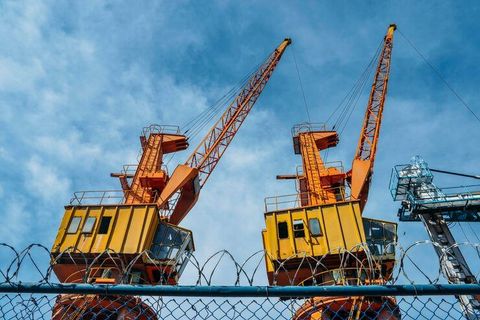
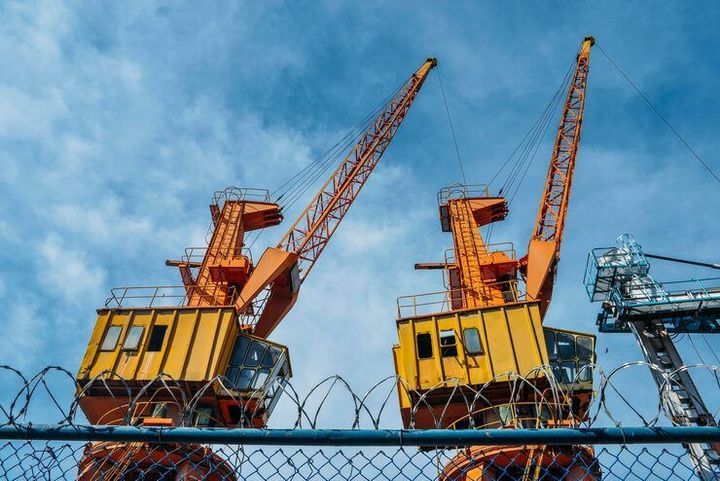
Gantry crane manufacturers create equipment supported by legs that move along rails or ground surfaces. Ports and shipyards frequently utilize these machines for container handling and heavy cargo movement.
Their flexibility makes them suitable for outdoor applications.
Mobile Cranes
Mobile cranes combine lifting capability with transportation mobility. Construction and infrastructure sectors depend on these machines for diverse project requirements.
Rapid deployment is one of their key advantages.
Automated Crane Systems
Crane automation systems incorporate sensors, digital controls, and remote operation technologies. Automated processes can improve precision and reduce manual intervention during repetitive tasks.
Industrial modernization initiatives continue driving adoption in this area.
The Role of Integration in Modern Industry
Turnkey crane installation solutions often involve coordination among multiple engineering disciplines. Structural planning, electrical infrastructure, digital controls, and safety systems must function together within a unified framework.
Integrated approaches support efficient project execution and long-term operational consistency.
Heavy lifting equipment manufacturers increasingly collaborate with software specialists and automation experts. This trend reflects broader industrial transformation efforts connected with smart manufacturing principles.
Industrial facilities now seek equipment capable of communicating with centralized management platforms. Data-driven decision-making has become an important aspect of modern operations.
FAQs
What do crane and lifting equipment suppliers typically provide?
Crane and lifting equipment suppliers generally support industries through machinery, technical documentation, maintenance planning tools, and integrated lifting technologies suited to different environments.
How do industrial crane manufacturers design equipment for different industries?
Industrial crane manufacturers consider load requirements, environmental conditions, facility layouts, and safety regulations when developing specialized equipment.
What distinguishes gantry crane manufacturers from other equipment producers?
Gantry crane manufacturers focus on systems that operate on ground-supported structures, commonly used in ports, shipyards, and outdoor industrial facilities.
What are turnkey crane installation solutions?
Turnkey crane installation solutions involve coordinated planning that includes engineering, equipment integration, digital controls, and operational readiness within a single project framework.
How do crane automation systems improve industrial operations?
Crane automation systems use sensors, software, and remote controls to enhance positioning accuracy, monitoring capabilities, and operational consistency.
Conclusion
Crane and lifting technologies remain essential across manufacturing, logistics, construction, and infrastructure development. The work of industrial crane manufacturers and heavy lifting equipment manufacturers supports safe and efficient material movement on a global scale. Advances in automation, digital monitoring, and integrated planning continue shaping the future of the industry. As facilities modernize, crane automation systems and coordinated installation approaches are becoming increasingly significant components of industrial operations.