Professional Guide to HydraFacial: Treatment Process, Aftercare, and Expected Results
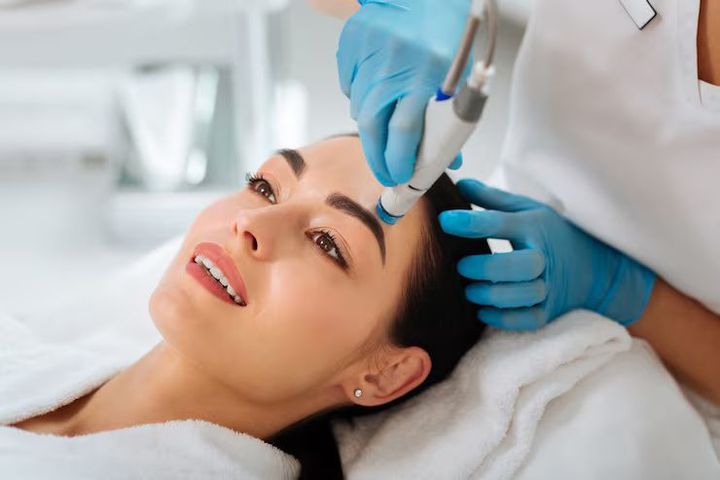
HydraFacial is a non-invasive skincare treatment designed to cleanse, exfoliate, extract impurities, and hydrate the skin during a single session.
It combines several facial care steps into one procedure using a specialized device that applies cleansing solutions and hydration-focused ingredients while removing debris from the skin’s surface.
The treatment was developed as an alternative to traditional facials that often rely on manual extraction methods. By using a device-based approach, HydraFacial aims to provide a consistent process that can be adapted to different skin types and concerns.
Many people seek HydraFacial treatments to address issues such as dryness, uneven skin texture, clogged pores, dull appearance, and signs of aging. The procedure is commonly performed in dermatology clinics, medical spas, and licensed skincare facilities.
Unlike more intensive cosmetic procedures, HydraFacial generally involves minimal downtime. This characteristic has contributed to its widespread use among individuals seeking skincare maintenance without significant interruption to daily activities.
How HydraFacial Works
The HydraFacial process typically follows a series of steps that work together to improve skin cleanliness and hydration.
These stages generally include:
- Cleansing and exfoliation
- Gentle chemical exfoliation
- Extraction of impurities
- Hydration and infusion of skin-conditioning ingredients
- Protection and moisturizing care
Each stage is intended to support skin renewal while maintaining comfort throughout the procedure.
Common Skin Concerns Addressed
HydraFacial is often used for concerns such as:
| Skin Concern | Purpose of Treatment |
|---|---|
| Dryness | Improve hydration levels |
| Congested pores | Remove debris and oil buildup |
| Uneven texture | Support smoother skin appearance |
| Dull complexion | Enhance skin brightness |
| Fine lines | Improve overall skin condition |
| Oily skin | Assist with pore cleansing |
Results can vary depending on skin type, age, lifestyle, and skincare habits.
Importance
Supporting Skin Health
Healthy skin serves as a protective barrier against environmental factors. Proper cleansing and hydration can help maintain this barrier and support overall skin function.
HydraFacial focuses on both cleansing and moisture replenishment, making it relevant for individuals who experience dehydration, environmental exposure, or buildup of impurities.
Addressing Modern Environmental Challenges
Many people are exposed to factors that may affect skin appearance, including:
- Air pollution
- Sun exposure
- Dry indoor environments
- Makeup residue
- Stress-related skin changes
These influences can contribute to dryness, uneven texture, and clogged pores. Regular skincare routines and professional treatments are often used to manage these concerns.
Suitable for Various Skin Types
One reason HydraFacial has gained attention is its adaptability to different skin types.
Individuals with:
- Oily skin
- Dry skin
- Combination skin
- Mature skin
- Sensitive skin
may receive customized treatment approaches based on their specific needs.
Minimal Recovery Time
Many cosmetic procedures involve visible redness or extended recovery periods. HydraFacial is generally associated with limited downtime, allowing individuals to return to normal activities shortly after treatment.
This feature makes it appealing to people with busy schedules who seek skincare procedures that require minimal interruption.
Supporting Long-Term Skincare Goals
HydraFacial is often used alongside regular skincare routines. While a single treatment may improve skin appearance temporarily, long-term skin health typically depends on consistent cleansing, moisturizing, sun protection, and healthy lifestyle habits.
Recent Updates
Increased Personalization
Recent trends in HydraFacial treatments emphasize customization. Practitioners increasingly tailor treatment protocols according to individual skin concerns, hydration levels, and sensitivity.
Customized boosters and targeted skincare ingredients are commonly incorporated into treatment plans.
Focus on Preventive Skincare
Preventive skincare has become an important trend between 2024 and 2026. Rather than addressing visible skin concerns after they become pronounced, many individuals seek treatments intended to maintain skin condition over time.
HydraFacial is frequently included within preventive skincare routines because of its emphasis on cleansing and hydration.
Integration with Digital Skin Analysis
Many skincare facilities now utilize digital skin assessment technology before treatment.
These systems may evaluate:
- Hydration levels
- Pore visibility
- Pigmentation patterns
- Surface texture
- Oil production
The information gathered can help practitioners determine suitable treatment approaches.
Growth of Combination Treatments
Another emerging trend is combining HydraFacial with other non-invasive skincare procedures. Depending on professional evaluation, treatments may be integrated with LED light therapy or other skin-focused techniques.
Combination approaches are typically customized according to individual needs and treatment goals.
Greater Awareness of Skin Barrier Health
Recent skincare discussions increasingly focus on maintaining the skin barrier. Excessive exfoliation can sometimes contribute to irritation, making balanced skincare practices important.
HydraFacial protocols have increasingly emphasized hydration and barrier-supporting ingredients alongside cleansing procedures.
Laws or Policies
Professional Licensing Requirements
In the United States, skincare treatments such as HydraFacial are generally regulated at the state level. Regulations often specify who may perform certain cosmetic procedures and what training or licensing requirements must be met.
Requirements vary by state and facility type.
Consumer Protection Regulations
Consumer protection laws help ensure that cosmetic treatment information is presented accurately.
These regulations may address:
- Marketing claims
- Treatment disclosures
- Pricing transparency
- Client consent procedures
Such rules are intended to support informed decision-making.
Health and Sanitation Standards
Facilities performing skincare procedures are commonly required to follow sanitation and hygiene standards.
Examples include:
- Equipment cleaning protocols
- Infection-control procedures
- Safe handling of skincare products
- Proper disposal of single-use materials
Compliance helps maintain a safe treatment environment.
Privacy Regulations
Patient information collected during consultations is generally protected under privacy regulations.
Medical and personal records must typically be handled according to applicable legal requirements.
Product Safety Oversight
Skincare ingredients used during HydraFacial procedures may be subject to regulatory review and safety standards.
Government agencies and regulatory bodies monitor cosmetic products to help ensure they meet established requirements for public use.
Tools and Resources
Several tools and resources can help individuals learn more about HydraFacial treatments and skincare in general.
Dermatology Association Websites
Professional dermatology organizations often publish educational materials regarding skincare treatments, skin conditions, and preventive care.
These resources can help readers understand treatment options and common skincare terminology.
Skin Analysis Platforms
Digital skin analysis tools are increasingly used in clinics and skincare facilities.
These technologies may assess:
- Hydration levels
- Texture changes
- Pore appearance
- Surface pigmentation
Such evaluations can provide additional information before treatment.
UV Index Resources
Sun exposure plays a major role in skin health.
Weather and UV index websites can help individuals monitor environmental conditions and make informed decisions regarding sun protection.
Skincare Tracking Applications
Some mobile applications allow users to record skincare routines, treatment dates, and product usage.
Tracking information may help individuals monitor changes in their skin over time.
Educational Health Websites
Government health agencies and reputable medical organizations often publish educational content regarding skin health and cosmetic procedures.
| Resource Type | Purpose |
|---|---|
| Dermatology websites | Educational information |
| Digital skin analysis tools | Skin assessment |
| UV index platforms | Sun exposure awareness |
| Skincare tracking apps | Routine monitoring |
| Health information websites | General skincare knowledge |
These resources can support informed understanding of skincare treatments.
FAQs
What is HydraFacial and how does it work?
HydraFacial is a non-invasive skincare treatment that combines cleansing, exfoliation, extraction, hydration, and skin-conditioning ingredients during a single session. A specialized device helps remove impurities while delivering moisturizing solutions to the skin.
How long does a HydraFacial treatment usually take?
A typical HydraFacial session often lasts between 30 and 60 minutes, depending on the treatment plan and any additional skincare components included.
What should I do after a HydraFacial treatment?
After a HydraFacial treatment, many skincare professionals recommend gentle cleansing, regular moisturizing, and consistent sun protection. Individuals may also be advised to avoid harsh exfoliation immediately afterward.
Are HydraFacial results permanent?
No. HydraFacial results are generally temporary because the skin continuously changes in response to aging, environmental exposure, and daily habits. Ongoing skincare practices play an important role in maintaining skin condition.
Is HydraFacial suitable for sensitive skin?
HydraFacial may be appropriate for many individuals with sensitive skin, but suitability depends on personal skin characteristics and medical history. Consultation with a qualified skincare professional can help determine whether the treatment is appropriate.
Conclusion
HydraFacial is a non-invasive skincare procedure that combines cleansing, exfoliation, extraction, and hydration within a structured treatment process. It is commonly used to address concerns such as dryness, uneven texture, clogged pores, and dull skin appearance. Recent developments emphasize personalization, digital skin analysis, and attention to skin barrier health. Understanding the treatment process, aftercare considerations, applicable regulations, and available educational resources can help individuals make informed decisions regarding skincare options.

You May Also Like