Pulmonary Rehabilitation Techniques: Complete Guide to Breathing Therapy and Recovery
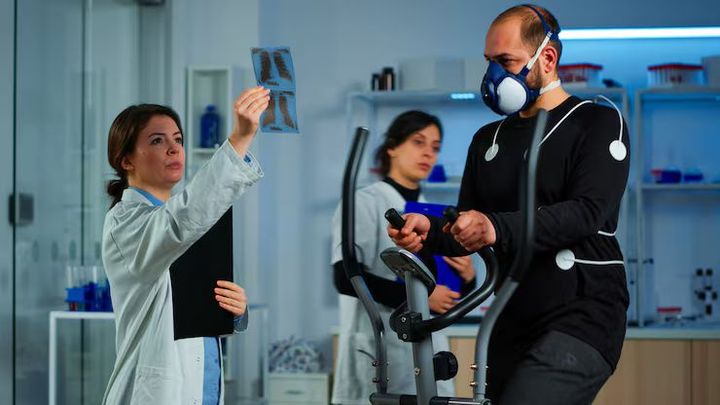
Pulmonary rehabilitation techniques refer to structured medical and therapeutic approaches designed to improve lung function, breathing capacity, and overall respiratory health. These techniques combine breathing exercises, physical activity, patient education, and lifestyle adjustments to support individuals living with chronic respiratory conditions.
Pulmonary rehabilitation developed as healthcare providers recognized that medication alone is often not enough to manage chronic lung conditions. Many patients struggle with fatigue, reduced stamina, and difficulty performing daily tasks due to inefficient oxygen delivery.
These programs are designed to improve breathing patterns, strengthen physical capacity, and enhance overall lung function. They are commonly recommended for conditions such as COPD, asthma, pulmonary fibrosis, and post-infection lung damage.
What Is Breathing Therapy?
Breathing therapy focuses on training respiratory muscles and improving airflow efficiency. Techniques like diaphragmatic breathing and pursed-lip breathing help regulate breathing and reduce shortness of breath.
Common Pulmonary Rehabilitation Techniques
Pulmonary rehabilitation combines multiple approaches to improve respiratory health. These techniques are often used together to support long-term wellness.
- Controlled breathing exercises
- Aerobic conditioning activities
- Respiratory muscle training
- Education about lung health management
- Nutritional guidance for respiratory conditions
These methods aim to enhance lung efficiency, improve daily functioning, and support sustained respiratory health.
Why Pulmonary Rehabilitation Matters Today
Respiratory diseases remain a major global health concern, affecting millions of people worldwide. Modern lifestyle and environmental factors have increased the need for structured breathing therapy programs.
Key Factors Driving Importance
Several factors contribute to the growing relevance of pulmonary rehabilitation. These challenges highlight the need for effective respiratory care strategies.
- Air pollution in urban environments
- Aging populations with chronic conditions
- Increased respiratory illness prevalence
- Long-term symptoms after viral infections
Benefits of Pulmonary Rehabilitation
Pulmonary rehabilitation provides multiple health and lifestyle benefits. These improvements support both individuals and healthcare systems.
- Improved breathing efficiency – Reduces effort required for breathing
- Better physical endurance – Enhances ability to perform daily activities
- Reduced hospital readmissions – Lowers risk of complications
- Enhanced quality of life – Promotes independence and well-being
These benefits make pulmonary rehabilitation an essential part of modern respiratory care.
Recent Developments in Pulmonary Rehabilitation
Recent advancements in 2024 and early 2025 have significantly improved pulmonary rehabilitation practices. Technology and innovation are making respiratory care more accessible and personalized.
Digital and Remote Rehabilitation
Digital pulmonary rehabilitation programs are becoming increasingly common. Remote monitoring tools allow healthcare providers to track patient progress using wearable devices.
Patients can now perform guided breathing exercises at home while clinicians monitor their progress through connected platforms.
AI and Smart Monitoring Systems
Artificial intelligence is being integrated into respiratory care systems. AI tools can analyze breathing patterns and detect early signs of lung function changes.
This allows healthcare professionals to adjust rehabilitation plans more effectively and provide personalized care.
Key Emerging Trends
Several trends are shaping the future of pulmonary rehabilitation. These innovations are improving accessibility and outcomes.
- Telehealth-supported therapy programs
- Wearable respiratory monitoring devices
- Personalized rehabilitation plans using data
- Integration of physical and respiratory therapy
These developments are helping expand the reach of respiratory care services.
Laws and Healthcare Policies Affecting Pulmonary Rehabilitation
Pulmonary rehabilitation is guided by healthcare policies and medical standards set by national authorities. These regulations ensure safe and effective delivery of respiratory care.
Policy Areas Influencing Rehabilitation
Government and healthcare frameworks play a major role in promoting respiratory health. Policies focus on prevention, early diagnosis, and long-term care.
- National respiratory disease management programs
- Clinical guidelines for chronic lung conditions
- Occupational health standards for air quality
- Public health initiatives promoting lung wellness
Environmental regulations also contribute by reducing pollution and improving overall respiratory health outcomes.
Tools and Resources for Pulmonary Rehabilitation
Various tools and technologies support pulmonary rehabilitation programs. These resources help patients monitor progress and follow structured routines.
Common Tools Used
Patients and healthcare providers rely on multiple tools to support therapy and track improvements.
- Spirometry lung function measurement tools
- Respiratory muscle training devices
- Fitness tracking wearables
- Breathing exercise mobile apps
- Telehealth monitoring platforms
Comparison of Respiratory Training Techniques
Below is a comparison of commonly used pulmonary rehabilitation techniques:
| Technique | Purpose | Typical Use |
|---|---|---|
| Diaphragmatic Breathing | Strengthens diaphragm | Chronic breathing difficulty |
| Pursed-Lip Breathing | Slows breathing rate | Shortness of breath management |
| Inspiratory Muscle Training | Builds respiratory strength | Lung recovery programs |
| Aerobic Conditioning | Improves endurance | Long-term pulmonary rehabilitation |
Core Program Components
Pulmonary rehabilitation programs include several key components that work together to improve health outcomes.
| Program Component | Focus Area |
|---|---|
| Breathing Exercises | Airflow control |
| Physical Activity | Endurance improvement |
| Patient Education | Disease understanding |
| Nutrition Guidance | Energy support |
These elements help patients develop sustainable habits for long-term respiratory wellness.
Frequently Asked Questions
What conditions benefit from pulmonary rehabilitation?
Pulmonary rehabilitation is recommended for conditions such as COPD, asthma, pulmonary fibrosis, bronchiectasis, and long-term respiratory complications.
How do breathing exercises improve lung function?
Breathing exercises strengthen respiratory muscles and improve airflow control. This helps the lungs exchange oxygen and carbon dioxide more efficiently.
Can pulmonary rehabilitation improve daily activity levels?
Yes, many patients experience improved endurance and reduced breathlessness. This allows them to perform daily activities more comfortably.
Is pulmonary rehabilitation only for older adults?
No, people of various age groups can benefit from pulmonary rehabilitation if they have chronic respiratory conditions.
How long does pulmonary rehabilitation last?
Programs typically last several weeks to months depending on individual health needs and rehabilitation goals.
Conclusion
Pulmonary rehabilitation plays a critical role in modern respiratory healthcare by combining breathing therapy, physical activity, and patient education. These programs help individuals manage chronic lung conditions and improve their quality of life.
Advances in digital health technologies and personalized care are expanding access to rehabilitation services. Healthcare policies also support these programs as part of long-term disease management strategies.
Understanding pulmonary rehabilitation empowers patients and healthcare providers to make informed decisions about respiratory health.