Rajputana Inspired Jewelry Overview of History and Craft Techniques
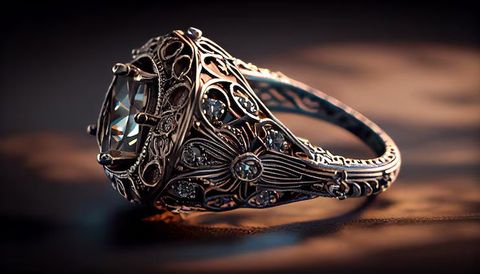
Rajputana inspired jewelry refers to traditional ornaments influenced by the royal heritage of Rajasthan, historically known as Rajputana. These designs reflect the artistic legacy of Rajput rulers and the craftsmanship developed in regions such as Jaipur, Jodhpur, and Udaipur.
Rajputana inspired jewellery evolved over centuries, blending techniques such as Kundan, Meenakari, Polki, and Thewa. Originally worn by royalty and nobility, it symbolized status, valor, and cultural identity. Over time, these designs became integral to bridal traditions and festive attire across India.
Today, this jewellery serves as a bridge between historical aesthetics and modern design preferences. It preserves traditional craftsmanship while making heritage styles accessible to a wider audience.
Importance
Rajputana inspired jewellery holds cultural, artistic, and economic significance in India.
Cultural Relevance
- Reflects royal Rajput traditions and ceremonial attire
- Represents craftsmanship passed through generations
- Plays a key role in weddings and festivals
Artistic Value
- Showcases intricate hand-setting techniques
- Combines gold, precious stones, and enamel artistry
- Demonstrates regional design diversity
Economic Contribution
- Supports artisans in Rajasthan and across India
- Strengthens the traditional jewellery sector
- Encourages preservation of heritage crafts
For consumers, it offers a connection to Indian history and artistry. For artisans and designers, it provides both livelihood opportunities and a foundation for innovation.
Key Design Elements
Rajputana jewellery incorporates multiple traditional techniques, often combined into elaborate sets such as necklaces, earrings, maang tikka, bangles, and chokers.
Comparison of Major Techniques
| Technique | Main Feature | Materials Used | Visual Style |
|---|---|---|---|
| Kundan | Gemstones set in gold foil | Gold, glass, precious gems | Rich and royal |
| Meenakari | Enamel detailing | Gold, enamel colors | Colorful and intricate |
| Polki | Uncut diamonds | Uncut diamonds, gold | Raw and traditional |
| Thewa | Gold work on glass | Gold sheets, colored glass | Artistic and narrative |
These techniques create layered, detailed designs that reflect royal heritage and craftsmanship.
Recent Updates (2024–2025)
Several developments have influenced Rajputana inspired jewellery in recent years.
Growing Demand for Heritage Designs
Wedding seasons in late 2024 saw increased interest in traditional Kundan and Polki sets. Urban consumers are increasingly seeking authenticity and cultural depth in jewellery.
Lightweight Adaptations
Designers are introducing lighter versions of traditional pieces. This makes them more practical for daily wear and extended use.
Digital Design Tools
Computer-aided design (CAD) technology is being used to replicate intricate patterns with precision. This helps maintain consistency while improving production efficiency.
Sustainability Focus
There is rising awareness about ethical sourcing of gemstones and gold. Consumers now prefer hallmark-certified and traceable materials.
Government Initiatives
Government programs supporting handicrafts and artisan clusters in Rajasthan continued in 2024. These initiatives provide training, financial assistance, and export promotion.
Laws and Policies in India
Rajputana jewellery made from gold and precious stones is regulated under Indian laws and standards.
BIS Hallmarking
The Bureau of Indian Standards (BIS) mandates hallmarking for gold jewellery in many regions. This ensures verified purity levels such as 22K or 18K.
Hallmarking Components Include
- BIS logo
- Purity grade
- Assaying and hallmarking center mark
- Jeweller identification mark
- Year of marking code
This system ensures transparency and authenticity.
GST Regulations
Jewellery purchases are subject to Goods and Services Tax (GST). Proper billing and compliance are required under Indian tax laws.
Export Policies
Exporters must follow India’s Foreign Trade Policy and meet customs documentation requirements for international trade.
Intellectual Property
Designers can protect unique jewellery patterns through design registration laws. This helps safeguard original creations.
These regulations protect consumers, artisans, and businesses while maintaining quality standards.
Tools and Resources
Various tools and platforms support the development and verification of Rajputana jewellery.
Hallmark Verification Tools
- BIS Care mobile application for verifying gold authenticity
Design Software
- CAD jewellery design software for pattern creation
- 3D modeling tools for prototype visualization
Educational Resources
- Government handicraft development programs
- Gemology institutes offering certification courses
Testing Laboratories
- BIS-approved assaying and hallmarking centers
- Gem testing laboratories for authentication
Financial and Business Resources
- MSME registration portals for artisans
- Export promotion councils for gems and jewellery
These resources help maintain quality standards and support industry growth.
Market Trends Snapshot (2024–2025)
The following table highlights key trends observed in recent years:
| Trend Category | Observation (2024–2025) |
|---|---|
| Bridal Jewellery | High demand for Polki and Kundan sets |
| Lightweight Designs | Increased preference among working women |
| Customization | Growing interest in personalized motifs |
| Digital Retail Presence | Expansion through online platforms |
| Hallmark Awareness | Increased consumer verification activity |
These trends reflect how traditional jewellery is adapting to modern lifestyles while retaining its cultural essence.
FAQs
What is Rajputana inspired jewellery?
Rajputana inspired jewellery refers to ornaments based on traditional Rajasthani royal styles. It includes techniques such as Kundan, Meenakari, Polki, and Thewa.
Is it only worn for weddings?
No. While popular in weddings, it is also worn during festivals, cultural events, and formal occasions.
How can consumers check gold purity?
Consumers can verify purity through BIS hallmark symbols or by using the BIS Care mobile application.
What materials are commonly used?
Common materials include gold, uncut diamonds (Polki), enamel work (Meenakari), colored glass (Thewa), and precious or semi-precious stones.
Are traditional techniques still handmade?
Yes. Many pieces are handcrafted by skilled artisans, although some stages may involve modern technology for precision.
How does hallmarking benefit consumers?
Hallmarking ensures gold meets specified purity standards. It reduces the risk of fraud and builds consumer trust.
Cultural Symbolism
Rajputana jewellery carries symbolic meanings inspired by Rajasthan’s heritage.
- Peacock motifs represent beauty and grace
- Floral patterns symbolize prosperity
- Crescent shapes reflect royal aesthetics
- Lattice designs show architectural influence
These elements connect jewellery to palaces, forts, and royal traditions.
Conclusion
Rajputana inspired jewellery represents a significant part of India’s cultural heritage. Rooted in Rajasthan’s royal traditions, it combines artistry, symbolism, and craftsmanship developed over centuries.
Today, it continues to evolve through modern adaptations, digital tools, and increased awareness of hallmark standards. Government support and certification systems help maintain authenticity while encouraging artisan development.
This blend of tradition and innovation ensures that Rajputana jewellery remains relevant in the modern era while preserving its royal legacy.