Raksha Bandhan Sibling Bracelets: A Complete Guide to Meaning, Styles, and Traditions
Raksha Bandhan sibling bracelets are symbolic threads or decorative bands tied during the Indian festival of Raksha Bandhan. The festival celebrates the relationship between brothers and sisters and represents protection, affection, and lifelong support.
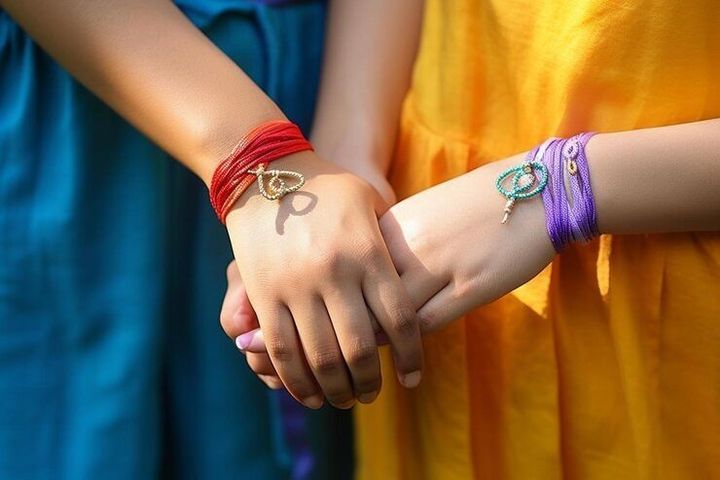
Traditionally, a sister ties a sacred thread called a rakhi on her brother’s wrist while performing a small ceremonial ritual. The brother then expresses gratitude and promises to protect and support his sister. Over time, traditional rakhis evolved into decorative bracelets with beads, gemstones, and contemporary designs.
Sibling bracelets connected to Raksha Bandhan express emotional bonds through a physical symbol. The thread represents trust, care, and family connection. In modern interpretations, bracelets may also symbolize equality and mutual respect between siblings.
Historically, Raksha Bandhan dates back many centuries and appears in various cultural stories, literature, and folklore across India. The ritual reflects broader social values such as family unity, gratitude, and responsibility.
Types of Modern Raksha Bandhan Bracelets
Today, the bracelet format has expanded beyond simple threads. Modern Raksha Bandhan bracelets may include:
- Silk thread designs
- Beaded or stone bracelets
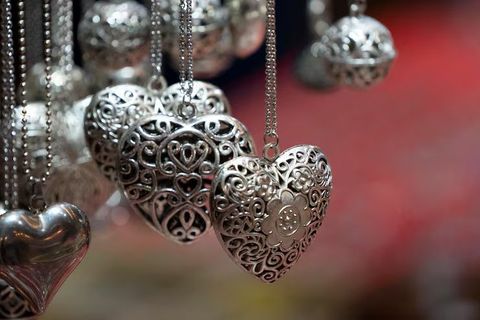
- Silver or metal bracelets
- Eco-friendly cotton or organic fiber threads
- Personalized bracelets with names or symbols
Despite design changes, the core meaning of the bracelet remains rooted in tradition and emotional connection.
Why Raksha Bandhan Sibling Bracelets Matter in Modern Society
Raksha Bandhan bracelets continue to hold cultural and social significance in India and among global Indian communities. The festival provides an opportunity for families to reconnect, celebrate shared traditions, and strengthen sibling relationships.
In today’s fast-paced and digitally connected world, symbolic traditions serve as reminders of cultural identity. Raksha Bandhan bracelets help preserve family customs while adapting to modern lifestyles.
Key Reasons for Their Importance
The tradition matters because it:
- Strengthens family relationships
- Encourages cultural continuity across generations
- Provides a meaningful ritual during annual festivals
- Supports emotional bonds between siblings living far apart
Raksha Bandhan also extends beyond biological siblings. Many people tie bracelets to cousins, close friends, or mentors to symbolize protection and mutual respect.
The festival can also promote social harmony. In some communities, bracelets are exchanged as a gesture of unity among neighbors, teachers, or soldiers.
Economic and Cultural Impact
From a broader perspective, the tradition contributes to cultural tourism, festive markets, and creative craftsmanship. Artisans and designers create unique bracelet styles that reflect regional aesthetics and cultural motifs.
In this way, Raksha Bandhan sibling bracelets connect traditional values with modern expression.
Recent Trends and Cultural Updates in 2025
In recent years, Raksha Bandhan traditions have evolved alongside changes in technology, sustainability, and digital communication. One noticeable trend in 2025 is the growing interest in environmentally responsible festival products.
Many families are choosing biodegradable threads, plant-based dyes, and recyclable packaging materials. These changes reflect increased environmental awareness and responsible celebration practices.
Eco-Friendly Bracelet Trends
Eco-conscious designs often include:
- Organic cotton threads
- Seed-infused bracelets that can be planted
- Natural wooden beads
- Handmade fiber threads
Another emerging trend is personalization. Bracelets featuring engraved names, initials, or zodiac symbols have become more common, helping families create unique memories.
Digital and Social Trends
Digital celebrations have expanded as siblings often live in different cities or countries. Many families now combine traditional rituals with online video gatherings.
Social media platforms also play a role in sharing cultural stories, bracelet designs, and festival rituals. Educational institutions and cultural organizations promote awareness programs to help younger generations understand the significance of Raksha Bandhan.
Cultural Regulations and Public Policies
Raksha Bandhan is primarily a cultural celebration, but public policies influence how festival items are produced and distributed. Government guidelines in India encourage the use of eco-friendly materials to reduce environmental impact.
Authorities promote responsible festive practices through awareness campaigns and sustainability initiatives. These efforts help balance tradition with environmental responsibility.
Key Policy Focus Areas
- Reducing single-use plastic decorations
- Encouraging handmade traditional crafts
- Supporting local artisans through cultural programs
Consumer safety regulations also ensure that decorative materials used in bracelets meet safety standards. Schools and educational programs further promote cultural literacy by teaching students about Indian festivals.
Helpful Tools and Digital Resources
Modern technology has made it easier to learn about cultural traditions and festival rituals. Several digital platforms provide accessible information about Raksha Bandhan.
Common Digital Resources
- Cultural heritage websites
- Festival calendar applications
- Educational videos and storytelling platforms
- Cultural blogs and historical archives
Festival calendar apps help families track important celebration dates each year. Below is a simple table of upcoming Raksha Bandhan dates.
Raksha Bandhan Dates
| Year | Date (India) |
|---|---|
| 2024 | August 19 |
| 2025 | August 9 |
| 2026 | August 28 |
Online archives also preserve regional variations in rituals across different Indian states. Educational platforms often provide downloadable materials for students and families.
Key Ritual Elements
| Ritual Element | Meaning |
|---|---|
| Rakhi Bracelet | Symbol of protection and sibling bond |
| Tilak Ceremony | Blessing and auspicious ritual |
| Sweets | Celebration and joy |
| Gifts or Tokens | Expression of appreciation |
Frequently Asked Questions
What does a Raksha Bandhan bracelet symbolize?
A Raksha Bandhan bracelet symbolizes protection, affection, and the bond between siblings. It represents trust and lifelong support within a family.
Are Raksha Bandhan bracelets always tied by sisters?
Traditionally, sisters tie the bracelet on their brothers’ wrists. However, modern celebrations may include cousins, friends, or siblings exchanging bracelets.
What materials are commonly used?
Common materials include silk thread, cotton thread, beads, decorative stones, wooden elements, and metal components.
Why have bracelet designs evolved?
Design changes reflect creativity, personalization trends, and cultural adaptation while preserving traditional meaning.
Is Raksha Bandhan celebrated globally?
Yes, Indian communities celebrate Raksha Bandhan worldwide, including in the United States, Canada, the United Kingdom, and Australia.
Cultural Significance and Lasting Traditions
Raksha Bandhan sibling bracelets remain an enduring symbol of family bonds and cultural identity. The tradition connects generations through a meaningful ritual centered on care, respect, and shared values.
While designs and celebration styles evolve, the essence of Raksha Bandhan remains unchanged. The bracelet serves as a reminder of emotional support and responsibilities shared between siblings.
Modern adaptations, including eco-friendly materials and digital celebrations, show how traditional practices can stay relevant in contemporary society. Understanding these traditions allows families to celebrate with deeper appreciation and awareness.