Resin Pendants Guide: Discover Creative Designs, Materials, and Crafting Basics
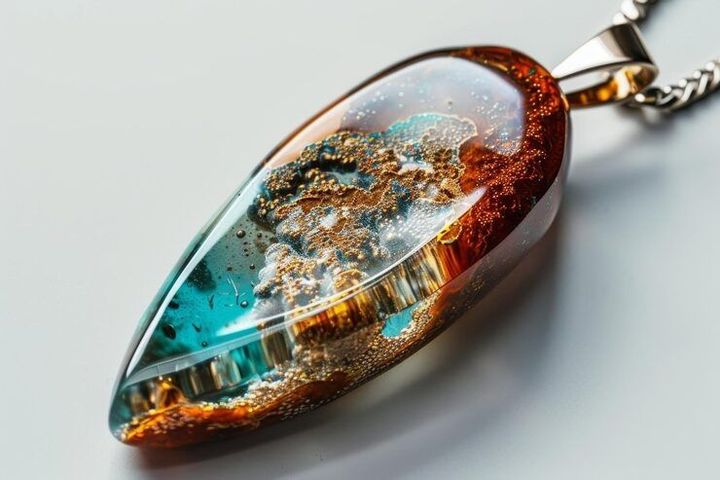
Resin pendants are decorative jewelry pieces created using synthetic resin materials that harden into a transparent or colored solid. These pendants often contain artistic elements such as dried flowers, pigments, glitter, metallic flakes, miniature objects, or photographs embedded within the resin. Once cured, the material forms a durable and glossy surface that protects the design inside.
The use of resin in jewelry design developed alongside advancements in polymer chemistry and modern crafting techniques. Resin materials such as epoxy resin and UV resin allow creators to produce lightweight accessories with intricate visual effects.
Resin pendants combine artistic creativity with accessible materials and modern crafting technology. This process enables individuals and small studios to create detailed jewelry without complex metalworking tools.
Over time, resin jewelry has become widely recognized within the handmade accessories industry. It now plays an important role in both artistic expression and small-scale manufacturing.
How Resin Pendants Are Made
Use of Molds and Shapes
Most resin pendants are created using molds that define the final shape. These molds allow for consistent and repeatable designs.
Common pendant shapes include:
- Geometric patterns
- Botanical designs
- Abstract forms
- Minimalist circles or rectangles
Once the resin cures, the piece is polished and attached to chains or cords for wearable use.
Finishing and Assembly
After curing, pendants undergo surface finishing. This includes sanding and polishing to achieve clarity and smooth edges.
Final assembly involves adding hooks, chains, or decorative elements. This step transforms the resin piece into a complete jewelry item.
Why Resin Pendant Crafting Matters Today
Resin crafting has gained popularity due to the growing interest in handmade and personalized accessories. Many individuals are exploring creative hobbies that combine design and material science.
Key Factors Driving Popularity
- Growth of digital design communities
- Increased access to crafting tools and materials
- Rising demand for personalized jewelry
- Awareness of sustainable design practices
Resin pendants allow experimentation with color, texture, and embedded elements. Designers can preserve flowers, leaves, or decorative items inside transparent resin.
Educational and Industry Value
For students and hobbyists, resin crafting introduces concepts such as:
- Polymer chemistry
- Curing reactions
- Viscosity control
- Surface finishing techniques
In the broader jewelry industry, resin is used alongside metals, ceramics, and glass. It helps create modern designs with layered visual effects.
Design Advantages of Resin
- Protects delicate objects inside transparent material
- Creates lightweight jewelry
- Enables complex patterns
- Ensures consistent shapes through molds
These features make resin a versatile material for creative experimentation.
Recent Updates and Trends in Resin Jewelry (2024–2025)
Resin jewelry continues to evolve with new materials and technologies. Recent developments highlight both innovation and sustainability.
Emerging Material Trends
One major trend is the use of eco-conscious resin formulations. Manufacturers are exploring plant-based and low-emission resins to reduce environmental impact.
Another development is the use of 3D printing for mold creation. This allows designers to produce complex and customized shapes.
Popular Design Trends
- Botanical jewelry with preserved flowers
- Minimalist geometric pendants
- UV resin for faster curing
- Mixed-material designs (resin with metal or wood)
- Glow pigments and layered color effects
Craft exhibitions and design schools have also introduced resin techniques into their programs. Social media platforms continue to support learning and knowledge sharing.
Regulations, Safety Standards, and Material Policies
Resin crafting involves chemical materials that require safe handling and awareness of regulations. Proper safety practices are essential for both hobbyists and professionals.
Basic Safety Practices
- Work in well-ventilated areas
- Wear protective gloves
- Avoid direct contact with uncured resin
- Follow proper curing conditions
Regulatory Frameworks
In the European Union, chemical materials are regulated under REACH policies. These ensure safe use and control of chemical substances.
In the United States, agencies such as EPA and OSHA provide guidelines for chemical handling and workplace safety. Safety Data Sheets (SDS) are commonly provided with resin products.
Environmental Considerations
Modern policies encourage:
- Proper disposal of chemical waste
- Reduction of VOC emissions
- Adoption of safer resin formulations
Understanding these regulations helps maintain safe and responsible crafting practices.
Tools and Resources for Resin Pendant Creation
Resin pendant crafting requires specific tools to ensure accuracy and quality. These tools support mixing, curing, and finishing processes.
Essential Tools
- Silicone molds
- Mixing cups and stirring sticks
- Digital scales
- UV lamps
- Heat tools for bubble removal
- Sanding and polishing materials
- Protective gloves
Digital Tools
- Jewelry design software
- 3D modeling programs
- Craft planning templates
- Color palette generators
Resin Types and Their Features
Below is a simplified overview of common resin types used in jewelry crafting:
| Resin Type | Typical Use | Key Features |
|---|---|---|
| Epoxy Resin | Jewelry casting and pendants | Clear finish and high durability |
| UV Resin | Small jewelry pieces | Fast curing under UV light |
| Polyester Resin | Industrial applications | Faster curing but strong odor |
Curing Methods and Design Benefits
Different curing methods impact production time and design flexibility.
| Crafting Method | Curing Time | Design Advantage |
|---|---|---|
| Epoxy Resin Casting | Several hours to one day | Smooth finish and clarity |
| UV Resin Casting | Minutes under UV lamp | Quick production |
| Layered Resin Casting | Multiple curing stages | Enhanced depth and visual effects |
Understanding curing time and mixing ratios is essential for achieving stable and high-quality results.
Frequently Asked Questions
What materials are used in resin pendants?
Resin pendants typically use epoxy or UV resin combined with pigments, glitter, dried flowers, or metallic flakes. These elements enhance visual appeal and design variety.
How long does resin take to cure?
Curing time depends on the resin type. Epoxy resin can take several hours, while UV resin cures within minutes under ultraviolet light.
Why do air bubbles form?
Air bubbles occur during mixing or pouring. Proper mixing and heat tools can help minimize them.
Are resin pendants durable?
Yes, properly cured resin pendants are lightweight and durable. They resist moisture and protect embedded elements.
What safety precautions are needed?
Safety measures include wearing gloves, working in ventilated spaces, and following manufacturer instructions.
Conclusion
Resin pendants represent a combination of artistic creativity and modern material science. They allow designers to preserve intricate details and create visually unique jewelry pieces.
Recent advancements such as eco-friendly resins and digital mold design continue to shape the craft. At the same time, safety regulations ensure responsible material use.
By understanding tools, techniques, and material behavior, individuals can explore resin crafting with confidence. This field continues to grow as a creative and innovative segment of modern jewelry design.