River Rafting Expeditions: Essential Guide for First-Time Adventurers
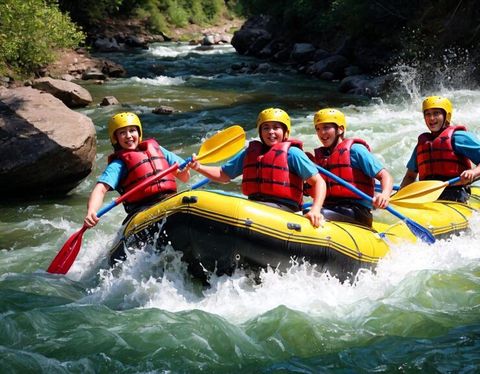
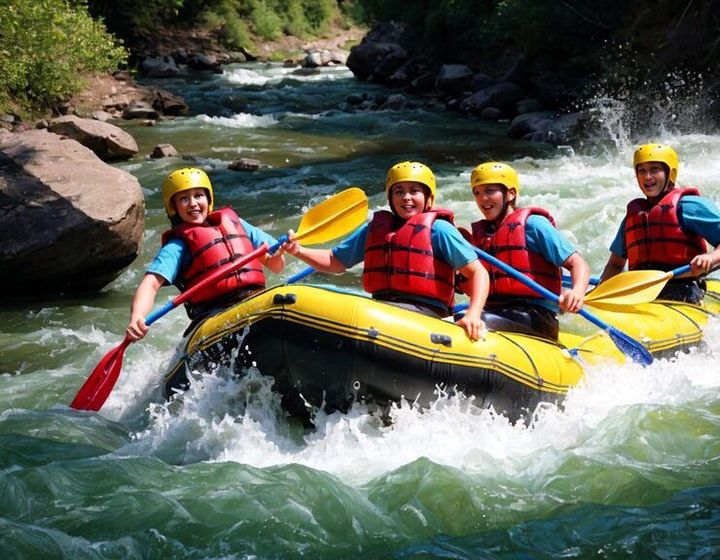
River rafting expeditions have become one of the most exciting outdoor adventure activities around the world. From calm scenic rivers to thrilling white water rapids, rafting offers a unique combination of adventure, teamwork, and connection with nature. For first-time adventurers, understanding the basics can make the experience safer, more enjoyable, and far more rewarding.
Whether you're planning a weekend getaway or an extended adventure travel experience, this guide covers everything you need to know before stepping into a raft.
What Is a River Rafting Expedition?
A river rafting expedition involves navigating a river in an inflatable raft, usually with a group and a trained guide. Depending on the river's conditions, participants may encounter calm waters, moderate rapids, or challenging white water sections.
Adventure tourism continues to grow globally, with outdoor recreation activities such as rafting attracting millions of participants every year. The combination of physical activity, natural scenery, and adrenaline-filled moments makes rafting one of the most popular adventure experiences.
Understanding River Rapid Classifications
Before joining a rafting trip, it is important to understand river classifications. Rapids are generally categorized into six classes.
Class I: Easy
These rivers have gentle currents and minimal obstacles. They are ideal for beginners and families.
Class II: Novice
Small rapids and straightforward routes make these suitable for first-time rafters seeking a little excitement.
Class III: Intermediate
Moderate waves and stronger currents require teamwork and guide instructions.
Class IV: Advanced
Powerful rapids and technical maneuvers demand previous rafting experience.
Class V: Expert
These rapids feature intense water conditions and significant challenges.
Class VI: Extreme
Considered extremely dangerous and generally attempted only by highly specialized professionals.
For beginners, Class I to III rivers are typically the safest and most enjoyable starting point.
Essential Rafting Safety Tips
Safety is the foundation of every successful river rafting expedition. Professional rafting operators prioritize safety training, equipment inspections, and emergency preparedness.
Always Wear Safety Gear
A properly fitted life jacket and helmet are mandatory. These items significantly reduce injury risks and improve flotation in fast-moving water.
Listen to Your Guide
Experienced guides provide important instructions on paddling techniques, river navigation, and emergency procedures. Following their directions can make a major difference during challenging sections.
Learn Basic Commands
Common commands include forward paddle, back paddle, stop, and get down. Understanding these instructions helps maintain coordination within the raft.
Stay Calm if You Fall In
Falling into the water is not uncommon. Float on your back with your feet pointed downstream and wait for guidance from your rafting team.
What to Wear on a Rafting Adventure
Choosing appropriate clothing enhances comfort and safety throughout the trip.
Recommended Clothing
- Quick-drying shirts
- Lightweight shorts or athletic pants
- Water-resistant footwear
- Sunglasses with retention straps
- Waterproof sunscreen
Items to Avoid
- Heavy cotton clothing
- Loose accessories
- Expensive jewelry
- Non-secured electronic devices
Weather conditions can change quickly, especially in mountain river regions, so layering is often a smart strategy.
Essential Equipment Used During River Rafting
Modern rafting equipment is designed to improve both safety and performance.
Inflatable Raft
Built from durable materials, rafts are engineered to withstand strong currents and impacts.
Personal Flotation Device
Often called a life jacket, this equipment helps maintain buoyancy during unexpected swims.
Paddle
The paddle serves as the primary tool for steering and propulsion.
Helmet
Helmets protect against rocks, paddles, and accidental collisions.
Many adventure travel experts recommend inspecting all equipment before departure to ensure optimal performance and reliability.
Physical Preparation for First-Time Rafters
One of the biggest misconceptions about rafting is that participants need exceptional athletic ability. While a reasonable fitness level helps, most beginner-friendly rafting trips are accessible to healthy individuals.
Simple preparation can improve your experience:
- Stay hydrated before the trip
- Get adequate sleep the night before
- Perform light stretching exercises
- Maintain basic cardiovascular fitness
Good physical preparation contributes to better endurance, coordination, and overall enjoyment.
Environmental Awareness and Responsible Rafting
Sustainable adventure tourism has become increasingly important. Rivers and surrounding ecosystems support diverse wildlife and natural habitats.
Responsible rafters should:
- Avoid littering
- Respect wildlife
- Follow designated routes
- Minimize environmental impact
Many leading outdoor recreation organizations encourage environmentally conscious practices to help preserve river systems for future generations.
Common Mistakes First-Time Rafters Should Avoid
Beginners often make simple mistakes that can affect their experience.
Ignoring Safety Briefings
Safety briefings provide essential information and should never be skipped.
Overpacking
Bringing unnecessary items can create distractions and increase the risk of lost belongings.
Underestimating Weather Conditions
River environments can change rapidly. Always prepare for temperature shifts and unexpected rain.
Not Communicating
Rafting is a team activity. Effective communication improves coordination and overall safety.
Why River Rafting Continues to Grow in Popularity
Adventure travel trends show increasing interest in outdoor experiences that combine excitement, wellness, and nature. River rafting expeditions deliver all three benefits while creating memorable experiences for participants of all skill levels.
The activity encourages teamwork, builds confidence, and offers a refreshing break from daily routines. For many people, a first rafting trip becomes the beginning of a lifelong passion for outdoor adventure.
Final Thoughts
River rafting expeditions provide an unforgettable blend of excitement, natural beauty, and personal achievement. For first-time adventurers, understanding river classifications, safety procedures, equipment requirements, and preparation techniques can greatly improve the experience.
With proper planning and a willingness to learn, even beginners can confidently enjoy the thrill of navigating rivers and experiencing the incredible world of white water rafting. The combination of adventure, teamwork, and breathtaking landscapes makes river rafting one of the most rewarding outdoor activities available today.