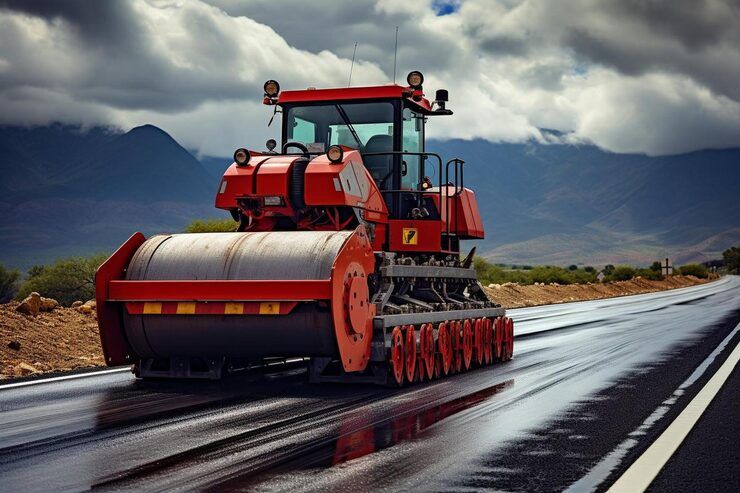
Road milling machines are an essential part of modern road construction and maintenance. A road milling machine, also known as an asphalt milling machine or cold milling machine, is used to remove layers of pavement from roads, bridges, and parking areas. This process allows for the repair or replacement of worn-out surfaces without rebuilding the entire structure.
The concept of milling road surfaces developed as infrastructure needs grew and maintenance became more frequent. Instead of completely reconstructing roads, engineers began using heavy equipment road milling machine technology to remove only damaged layers. This method reduces material waste and allows for more efficient resurfacing.
A road construction milling machine works by using a rotating drum fitted with cutting tools. These tools grind and remove asphalt or concrete, creating a rough surface that can be repaved. The removed material can often be reused, contributing to more sustainable construction practices.
Over time, road milling machine manufacturers have introduced various models with improved precision, automation, and environmental controls. Today, these machines are widely used in highway maintenance, urban road repair, and airport runway rehabilitation.
Importance
Road milling machines play a critical role in maintaining safe and functional transportation systems. Roads experience constant wear from traffic, weather conditions, and environmental factors. Without proper maintenance, surfaces can develop cracks, potholes, and uneven layers that affect safety and comfort.
For everyday road users, the work done by an asphalt milling machine helps ensure smoother driving conditions. Properly milled and resurfaced roads reduce vehicle wear and improve fuel efficiency by providing consistent surfaces.
From a construction perspective, the use of a cold milling machine addresses several challenges:
- Surface restoration: Milling removes damaged asphalt layers while preserving the underlying structure.
- Material reuse: The milled material, often called reclaimed asphalt pavement (RAP), can be reused in new road layers.
- Precision leveling: Milling machines can adjust depth and slope, ensuring accurate surface profiles.
- Traffic management: Milling allows partial repairs, reducing the need for full road closures.
Urban areas especially benefit from this technology, as it enables faster repairs with less disruption. In rural regions, road construction milling machines support long-term infrastructure maintenance, helping extend the lifespan of roads.
Recent Updates
The development of road milling machines has seen steady progress in recent years. Between 2024 and 2026, several trends have shaped the evolution of this equipment.
Increased Automation
Modern heavy equipment road milling machine systems now include automated controls that regulate cutting depth, speed, and alignment. These systems reduce human error and improve consistency in milling operations.
Improved Fuel Efficiency
Manufacturers have focused on optimizing engine performance to reduce fuel consumption. Hybrid and energy-efficient systems are being explored to minimize environmental impact.
Enhanced Dust Control
Dust generation is a major concern during milling operations. Newer machines are equipped with advanced dust suppression systems, including water sprays and enclosed conveyor systems, to improve air quality on construction sites.
Digital Monitoring and Telematics
Many road milling machine manufacturers now integrate digital monitoring tools. These systems track machine performance, maintenance needs, and operational data, allowing better planning and reduced downtime.
Sustainable Practices
There is growing emphasis on recycling materials. Cold milling machines are designed to maximize the recovery of asphalt, which can then be reused in new construction projects. This supports environmental goals and reduces the demand for new raw materials.
Laws or Policies
Road milling operations are influenced by various laws and policies, particularly those related to construction safety, environmental protection, and infrastructure standards. In countries like India, road construction and maintenance are guided by national and regional authorities.
Safety Regulations
Operators of heavy equipment road milling machines must follow safety guidelines to prevent accidents. These include:
- Use of protective gear such as helmets and safety glasses
- Proper training for machine handling
- Regular equipment inspections
Organizations like the Ministry of Road Transport and Highways (MoRTH) set safety standards for road construction activities.
Environmental Guidelines
Milling activities can generate dust, noise, and waste materials. Regulations often require:
- Dust suppression measures
- Noise control during operation
- Proper disposal or reuse of milled materials
Environmental policies encourage the recycling of asphalt to reduce landfill use.
Infrastructure Standards
Road construction milling machines must meet technical standards for depth accuracy, surface quality, and material handling. These standards ensure that roads remain durable and safe for public use.
Urban Development Policies
In cities, local authorities may regulate when and how milling operations can occur to minimize disruption. For example, work may be restricted to certain hours to reduce traffic congestion.
Tools and Resources
Several tools and resources support the use and understanding of road milling machines. These resources are helpful for engineers, planners, and anyone interested in infrastructure development.
Equipment Monitoring Systems
Modern machines often include built-in monitoring systems that track performance. These systems provide data on fuel usage, cutting efficiency, and maintenance schedules.
Engineering Software
Software tools are used to plan milling operations and analyze road conditions. Common types include:
- Pavement analysis software for assessing road damage
- Design tools for planning resurfacing projects
- Simulation programs for testing different milling approaches
Training Platforms
Training platforms provide educational content on operating cold milling machines safely and effectively. These may include:
- Video tutorials explaining machine components
- Interactive simulations for learning controls
- Certification programs for equipment operators
Government Portals
Government websites often publish guidelines, standards, and project updates related to road construction. These portals help ensure that projects follow approved procedures.
Data Table: Types of Road Milling Machines
| Machine Type | Typical Use Case | Key Feature |
|---|---|---|
| Small milling machine | Urban streets and sidewalks | Compact size, easy maneuverability |
| Medium milling machine | City roads and secondary highways | Balanced power and flexibility |
| Large milling machine | Highways and airports | High capacity and deep cutting |
| Micro milling machine | Surface texturing and leveling | Fine precision milling |
FAQs
What is a road milling machine used for?
A road milling machine is used to remove layers of asphalt or concrete from road surfaces. It helps prepare the surface for repairs or resurfacing, making roads smoother and safer.
How does an asphalt milling machine work?
An asphalt milling machine uses a rotating drum with cutting tools to grind and remove pavement layers. The material is collected and can often be reused in new road construction.
What is the difference between a cold milling machine and other machines?
A cold milling machine removes pavement without using heat. This method preserves material quality and allows recycling, unlike processes that rely on high temperatures.
Why are heavy equipment road milling machines important?
Heavy equipment road milling machines handle large-scale projects such as highways and airport runways. They provide efficient and precise removal of damaged surfaces.
Who are road milling machine manufacturers?
Road milling machine manufacturers are companies that design and produce these machines. They focus on improving performance, efficiency, and environmental impact through innovation.
Conclusion
Road milling machines are a key part of modern infrastructure maintenance. They allow efficient removal of damaged road surfaces while supporting recycling and sustainability. Advances in automation, environmental controls, and digital monitoring continue to improve their effectiveness. By following safety standards and regulations, these machines contribute to safer and more durable road networks. Their role remains essential in maintaining transportation systems across urban and rural areas.