Rolex Watches Guide 2026: Models, Features & History
Rolex watches have become one of the most recognizable names in luxury watchmaking. For more than a century, the brand has focused on producing mechanical watches that combine precision, durability, and elegant design. Today, Rolex watches are worn by professionals, collectors, athletes, and enthusiasts across the world.
The company began in the early twentieth century with the goal of creating reliable wristwatches that could perform accurately in everyday life. Over the decades, Rolex introduced several innovations that influenced the watch industry, including waterproof cases, automatic winding systems, and certified chronometer movements.
Modern Rolex collections include sports watches, diving watches, aviation-inspired models, professional tool watches, and classic dress watches. Each collection has its own design language while maintaining the company's emphasis on quality materials and long-term reliability.
A Rolex watch is often appreciated not only as a timekeeping instrument but also as an example of engineering, craftsmanship, and traditional mechanical manufacturing. Although technology has changed significantly, mechanical luxury watches continue to attract people who value precision engineering and timeless design.
Importance
Rolex watches remain important in today's market for several reasons. Their influence extends beyond fashion and luxury into craftsmanship, engineering, collecting, and horology.
Some key reasons include:
- Strong reputation for precision and reliability
- Long-lasting mechanical movements
- High-quality materials and manufacturing standards
- Wide recognition across international markets
- Rich heritage in watchmaking innovation
- Strong collector interest
The popularity of Rolex has also contributed to greater public interest in mechanical watches. Many people use Rolex as a reference point when learning about luxury timepieces because the brand represents consistent manufacturing quality and recognizable designs.
Who Benefits From Learning About Rolex Watches?
- First-time luxury watch enthusiasts
- Watch collectors
- Students of horology
- Fashion enthusiasts
- Investors researching collectible assets
- Travelers interested in luxury goods
Common Challenges for Buyers
| Challenge | Why It Matters |
|---|---|
| Understanding different models | Each collection serves different purposes |
| Identifying authentic watches | Counterfeit products remain a concern |
| Learning movement technology | Mechanical watches require basic knowledge |
| Understanding maintenance | Regular servicing helps maintain performance |
| Comparing features | Different models include different functions |
Popular Rolex Watch Collections
Several Rolex collections have become iconic due to their history and practical applications.
| Collection | Primary Purpose | Notable Feature |
|---|---|---|
| Submariner | Diving | Water resistance |
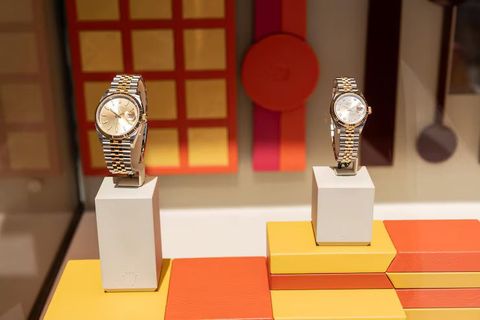
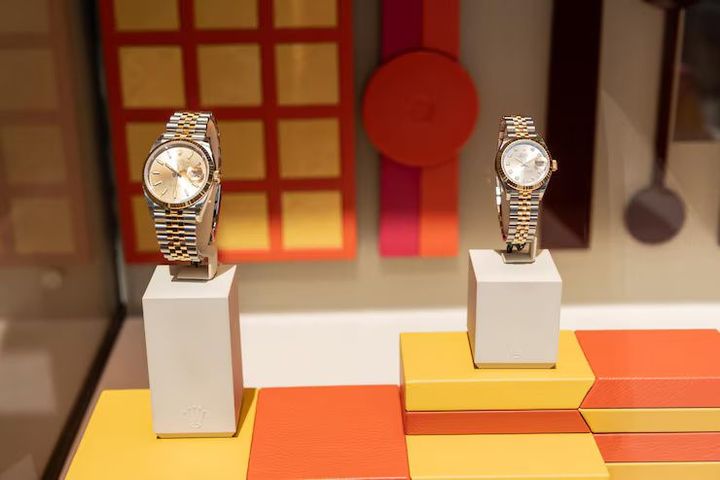
| Datejust | Everyday wear | Date display |
| Day-Date | Formal wear | Day and date display |
| GMT-Master II | Travel | Multiple time zones |
| Explorer | Adventure | High legibility |
| Oyster Perpetual | Daily use | Simple classic design |
| Yacht-Master | Marine activities | Sport-luxury styling |
| Cosmograph Daytona | Motorsport | Chronograph function |
Each collection has evolved through multiple generations while maintaining recognizable design characteristics.
Features That Make Rolex Watches Unique
Rolex watches are recognized for combining traditional craftsmanship with modern engineering.
Precision Mechanical Movements
Most Rolex watches use self-winding mechanical movements designed and manufactured with strict quality standards. These movements are tested for accuracy and reliability.
Oyster Case
The Oyster case became one of the earliest successful waterproof watch case designs and remains one of the brand's signature features.
Perpetual Rotor
The automatic winding system uses the natural movement of the wrist to wind the mainspring, reducing the need for manual winding.
Premium Materials
Rolex manufactures watches using carefully selected materials, including:
- Stainless steel alloys
- Gold
- Platinum
- Sapphire crystal
- Ceramic bezels
- High-quality luminous materials
Chronometer Certification
Rolex watches undergo accuracy testing before reaching consumers, reflecting the company's emphasis on precise timekeeping.
Recent Updates
The luxury watch industry continued evolving throughout 2025 and into 2026.
Some notable developments include:
- Increased interest in certified pre-owned luxury watches.
- Continued demand for stainless steel sports models.
- Greater emphasis on sustainability in manufacturing processes.
- Improved production efficiency across the luxury watch industry.
- Digital authentication technologies becoming more common among luxury brands.
- Growing educational content helping consumers identify authentic mechanical watches.
Collectors also continue paying close attention to discontinued references, anniversary editions, and evolving dial designs.
Another trend is the increasing use of digital platforms for researching watch history, specifications, and market information before making purchasing decisions.
Laws or Policies
Luxury watches are affected by several laws and regulations depending on the country.
Consumer Protection
Many countries have consumer protection laws that require accurate product descriptions and prohibit misleading advertising.
Trademark Protection
Rolex trademarks are protected internationally. Unauthorized use of logos, branding, and counterfeit manufacturing violates intellectual property laws in many jurisdictions.
Import and Customs Regulations
International purchases may be subject to customs duties, taxes, and import documentation depending on national regulations.
Precious Metal Standards
Countries often regulate the purity and hallmarking of gold and platinum products to ensure accurate labeling.
Anti-Counterfeit Enforcement
Government authorities in many regions continue strengthening efforts to reduce counterfeit luxury goods entering domestic markets.
Consumers are encouraged to verify authenticity and maintain documentation when purchasing luxury watches.
Tools and Resources
Several general resources can help individuals learn more about luxury watches without depending on commercial services.
Useful categories include:
- Mechanical watch terminology guides
- Watch size comparison charts
- Water resistance reference tables
- Time zone converters
- Maintenance reminder templates
- Warranty record templates
- Serial number documentation logs
- Watch collection inventory spreadsheets
- Horology learning materials
- Market trend reports
- Authentication checklists
Helpful Learning Checklist
| Resource Type | Purpose |
|---|---|
| Size guide | Compare watch dimensions |
| Maintenance log | Track servicing history |
| Authentication checklist | Verify important details |
| Watch terminology guide | Learn technical vocabulary |
| Collection tracker | Organize personal records |
These resources help users make informed decisions while improving their understanding of luxury mechanical watches.
Understanding Rolex Maintenance
Proper maintenance supports long-term performance.
General recommendations include:
- Keep the watch clean using appropriate methods.
- Avoid unnecessary impacts.
- Store watches in dry environments.
- Have water resistance checked periodically.
- Follow manufacturer maintenance recommendations.
- Record servicing dates for future reference.
Mechanical watches contain hundreds of precision components that benefit from professional inspection over time.
Frequently Asked Questions
What makes Rolex watches different from other luxury watches?
Rolex is known for precision engineering, durable construction, high manufacturing standards, and a long history of mechanical watch innovation.
Are all Rolex watches mechanical?
Nearly all modern Rolex watches use automatic mechanical movements powered by wrist motion rather than batteries.
Why are Rolex watches popular among collectors?
Collectors appreciate their consistent quality, historical significance, recognizable designs, and long production history.
How can someone identify an authentic Rolex watch?
Authenticity should be verified through careful examination of documentation, serial information, movement details, construction quality, and professional inspection when necessary.
Do Rolex watches require maintenance?
Yes. Like other mechanical watches, periodic inspection and servicing help maintain long-term accuracy and performance.
Conclusion
Rolex watches continue to represent precision engineering, craftsmanship, and timeless design in 2026. Their long history of innovation, recognizable collections, and commitment to manufacturing quality have made them an important part of the global watch industry.