Pure gold is naturally soft and bright yellow. To make it suitable for daily wear, it is blended with metals such as copper, silver, nickel, or palladium. The choice of alloy determines the final color of the jewellery.
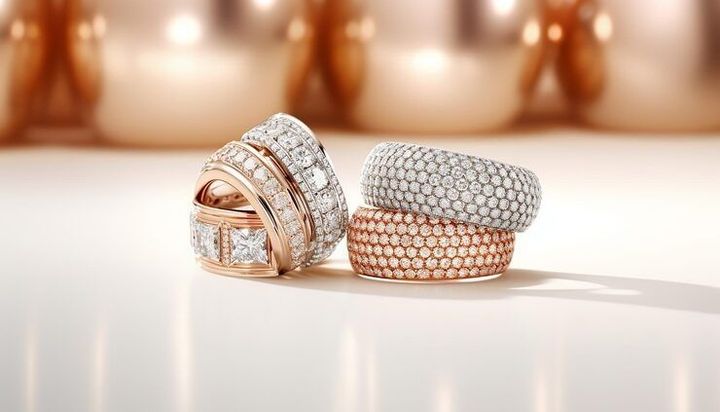
Rose gold gets its warm pink tone mainly from copper. White gold is created by mixing gold with palladium or nickel and is often coated with rhodium for a reflective finish.
These alloys allow designers to create a wide range of jewellery styles. They are commonly used in both modern and traditional collections.
Common Types of Jewellery
Rose and white gold are widely used in various jewellery items, including:
-
Rings and engagement jewellery
-
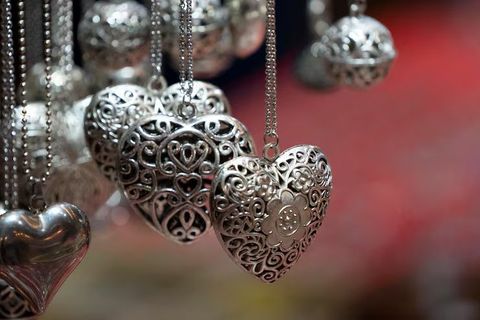
Necklaces and pendants
-
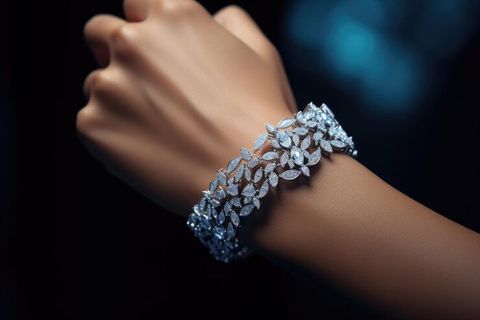
Bracelets and bangles
-
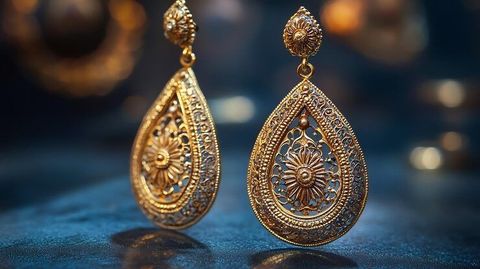
Earrings and studs
-
Watches and decorative accessories
Because of their durability and unique colors, both metals are popular in the global jewellery market.
Why Rose and White Gold Jewellery Matters Today
Rose and white gold jewellery plays an important role in modern fashion and personal expression. As jewellery trends evolve, consumers prefer materials that offer both visual appeal and long-term durability.
One key advantage is versatility. Rose gold complements many skin tones due to its warm hue, while white gold provides a neutral look that pairs well with gemstones and modern outfits.
Another important factor is durability. These alloys are stronger than pure gold, making them more resistant to scratches and suitable for daily wear.
Industries Influenced by These Metals
Several industries benefit from the popularity of rose and white gold:
-
Jewellery design and manufacturing
-
Fashion and lifestyle industries
-
Wedding and engagement jewellery markets
-
Luxury accessories and watches
These metals also help designers create contrast in multi-metal jewellery, combining yellow, rose, and white gold in a single piece.
Recent Developments and Trends
Recent reports from 2024 and early 2025 highlight several trends in the jewellery industry. One major trend is the rise of mixed-metal jewellery, where rose and white gold are combined for layered visual effects.
Sustainability is another growing focus. Manufacturers are increasingly using recycled gold and traceable sourcing to meet environmental standards.
Key Innovations in 2025
Recent exhibitions and industry updates have showcased:
-
Advanced alloy technology for improved durability
-
Improved rhodium plating for white gold
-
Computer-aided jewellery design (CAD)
-
Precision casting and polishing techniques
Digital tools such as 3D modelling software have also made it easier for designers to experiment with complex designs before production.
Regulations and Policies Affecting Gold Jewellery
Gold jewellery production is regulated to ensure quality and consumer protection. Many countries use hallmarking systems to verify gold purity.
In India, the Bureau of Indian Standards (BIS) certifies gold jewellery through hallmarking. This includes details like purity level (e.g., 22K or 18K).
Global Hallmarking Systems
| Region | Hallmark Authority | Purpose |
|---|
| India | BIS Hallmarking | Confirms gold purity |
| United Kingdom | Assay Offices | Tests metal content |
| European Union | National Authorities | Ensures compliance standards |
Environmental policies also promote responsible mining and recycling. These regulations help maintain trust and transparency in the jewellery industry.
Helpful Tools and Resources for Jewellery Knowledge
Various tools help individuals understand jewellery design and metal properties. These tools are widely used in both education and manufacturing.
Common Jewellery Design Tools
-
CAD jewellery design software
-
Metal alloy composition calculators
-
Gemstone compatibility charts
-
Jewellery care guides
-
Digital trend reports
These resources help designers and learners better understand how jewellery is created and maintained.
Jewellery Technology Overview
| Tool Type | Purpose |
|---|
| CAD Jewellery Software | Creates digital jewellery models |
| 3D Rendering Tools | Visualizes designs |
| Alloy Composition Charts | Explains metal ratios |
| Polishing Simulation Tools | Predicts surface finish |
Comparison of Rose Gold and White Gold
| Feature | Rose Gold | White Gold |
|---|
| Primary Alloy Metal | Copper | Palladium or Nickel |
| Color Tone | Warm pink | Silvery white |
| Common Use | Vintage styles | Modern designs |
| Surface Treatment | Natural finish | Rhodium plated |
Frequently Asked Questions
What is rose gold made of?
Rose gold is made by mixing pure gold with copper. The copper gives it a pink or reddish color.
Why does white gold look silver?
White gold is coated with rhodium, which gives it a bright silver appearance and adds protection.
Is rose gold real gold?
Yes, rose gold contains real gold mixed with other metals to increase strength and create its color.
Does white gold need maintenance?
Yes, the rhodium coating can wear off over time. Re-plating may be required to restore its shine.
Why combine rose and white gold?
Designers combine these metals to create contrast and highlight different elements in jewellery pieces.
Conclusion
Rose and white gold jewellery represents a significant development in modern jewellery design. By combining gold with other metals, manufacturers create durable alloys with unique colors.
These materials offer both aesthetic appeal and practicality. Rose gold provides warmth and elegance, while white gold delivers a sleek, modern look.
Recent trends such as mixed-metal designs, sustainable sourcing, and advanced manufacturing techniques continue to shape the industry. Regulations like hallmarking also ensure quality and transparency.
Understanding these materials helps consumers make informed choices and appreciate the craftsmanship behind modern jewellery.