Round Freshwater Pearls Tips for Choosing Quality Pearls for Jewelry and Gifts
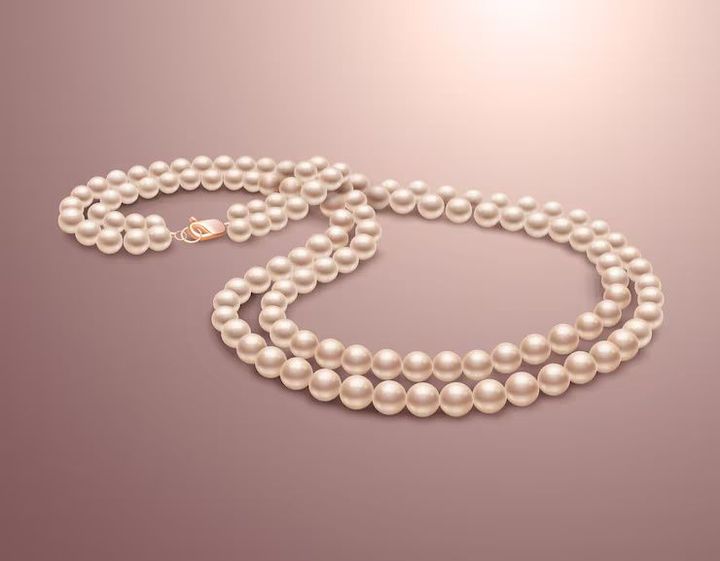
Round freshwater pearls are natural gemstones formed inside freshwater mollusks, primarily mussels cultivated in lakes and rivers. These pearls are valued for their near-spherical shape, smooth surface, and soft luster. Because of their symmetry, round pearls are widely used in fine jewelry pieces such as necklaces, bracelets, earrings, and pendants.
Pearls form when a mollusk coats a small irritant with layers of nacre, also known as mother-of-pearl. Over time, these layers accumulate and develop into a gemstone.
In freshwater pearl cultivation, technicians insert a small tissue graft into the mollusk. This process stimulates nacre production and encourages pearl formation.
Why Round Freshwater Pearls Exist
Round freshwater pearls are created to meet the needs of jewelry designers and manufacturers. Symmetrical shapes allow for consistent and balanced designs, especially in necklaces and bracelets.
Perfectly round pearls are rare in nature. However, modern farming techniques have made near-round pearls more widely available and accessible.
Production and Global Sources
Freshwater pearls are primarily produced in China, which leads the industry with advanced farming methods. Other countries like the United States and Japan also contribute, though on a smaller scale.
Characteristics of Round Freshwater Pearls
Common features of round freshwater pearls include:
- Smooth surface appearance
- Soft, reflective luster
- Colors such as white, cream, pink, lavender, and peach
- Sizes typically ranging from 5 mm to 12 mm
Why Round Freshwater Pearls Matter in Modern Jewelry and Luxury Markets
Round freshwater pearls are valued for their aesthetic appeal and versatility. Their symmetry makes them suitable for both traditional and modern jewelry designs.
Who Benefits from Understanding Pearl Quality
Several groups benefit from knowledge of pearl characteristics:
- Jewelry designers and gemstone professionals
- Students studying gemology and luxury goods
- Individuals interested in pearl identification
- Collectors and gemstone enthusiasts
Role in Jewelry Design
Round pearls help solve design challenges by offering uniformity. This is especially important in multi-pearl arrangements where consistency is required.
Cultural and Sustainability Importance
Pearls are often used in ceremonies, celebrations, and formal wear. They also play a role in sustainable jewelry discussions, as they are cultivated through aquaculture rather than mined.
Recent Trends and Developments in Freshwater Pearl Cultivation
Recent advancements have significantly influenced pearl production and design trends. In 2025, several key developments have emerged.
Technological Advancements
Gemological labs now use digital imaging and optical tools to assess pearl quality more accurately. These technologies improve evaluation of luster, shape, and surface features.
Growing Demand for Larger Pearls
There is increasing interest in large round freshwater pearls, especially those over 10 mm. These are often featured in minimalist jewelry designs focusing on single statement pieces.
Improved Farming Techniques
Pearl farmers are refining cultivation methods to produce more uniform shapes. This has increased the availability of near-round pearls in global markets.
Environmental Monitoring
Modern pearl farms monitor water quality factors such as temperature, oxygen, and mineral levels. These practices help maintain healthy environments for mollusks.
Regulations and Standards Affecting Pearl Production and Trade
Freshwater pearl production is guided by international standards and regulations. These frameworks ensure transparency and sustainability.
Key Standards and Guidelines
- CIBJO (World Jewellery Confederation) Pearl Standards
- ISO gemstone terminology guidelines
- National trade and labeling regulations
Country-Specific Regulations
China enforces environmental and agricultural regulations for pearl farming. The United States follows Federal Trade Commission (FTC) guidelines for accurate gemstone labeling. European countries apply strict consumer protection laws.
Tools and Resources for Learning About Pearl Identification and Quality
Various tools are used to study and evaluate freshwater pearls. These support both education and professional gemology work.
Common Gemology Tools
- Jewelry loupes (10x magnification)
- Digital microscopes
- Pearl grading charts
- Measurement calipers
- Gemological reference guides
Digital Learning Resources
- Gemology learning platforms
- Jewelry design software
- Pearl grading databases
- Academic research publications
Pearl Quality Factors
| Quality Factor | Description | Importance |
|---|---|---|
| Luster | Reflection and shine of the surface | High |
| Shape | Degree of roundness or symmetry | High |
| Surface Quality | Presence of spots or blemishes | Medium |
| Size | Measured in millimeters | Medium |
| Color | Natural tone and overtone shades | Medium |
Pearl Evaluation Checklist
| Evaluation Step | What to Observe |
|---|---|
| Visual Inspection | Surface smoothness |
| Shape Assessment | Roundness |
| Luster Evaluation | Light reflection |
| Measurement | Pearl diameter |
Frequently Asked Questions About Round Freshwater Pearls
What makes a freshwater pearl round?
A round freshwater pearl has a symmetrical, sphere-like shape. While perfectly round pearls are rare, many are classified as near-round due to their balanced form.
How are freshwater pearls different from saltwater pearls?
Freshwater pearls grow in mussels found in lakes and rivers. Saltwater pearls form in oysters in ocean environments.
What factors determine pearl quality?
Pearl quality is evaluated based on luster, shape, surface quality, size, and color. These criteria determine classification and value.
Are freshwater pearls considered natural gemstones?
Freshwater pearls are organic gemstones formed through biological processes inside mollusks.
Why are round pearls commonly used in jewelry design?
Their symmetry provides uniformity, making them ideal for balanced designs such as pearl strands and matching jewelry sets.
Conclusion
Round freshwater pearls combine natural processes with human cultivation techniques. Their symmetry, luster, and versatility make them highly valued in jewelry design.
Advancements in farming, grading technology, and sustainability practices continue to shape the pearl industry. These developments improve both quality and accessibility.
Understanding pearl characteristics, standards, and evaluation tools helps individuals make informed decisions. It also provides deeper insight into one of the most unique organic gemstones.