Rubber Processing Machinery Insights for Industrial Production
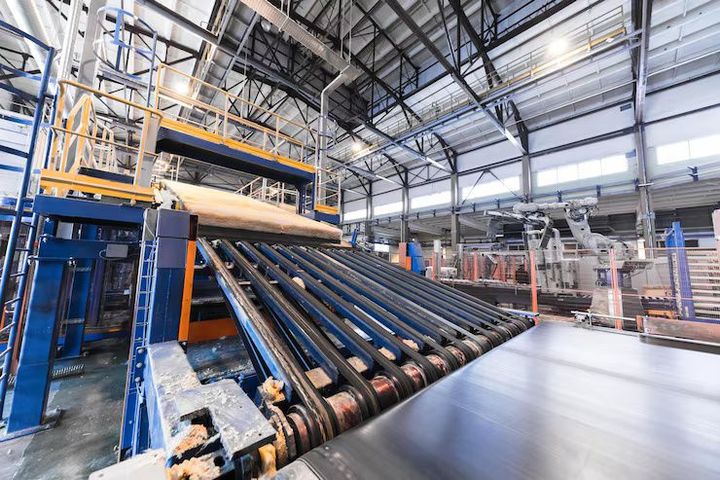
Rubber processing machinery refers to industrial equipment used to transform raw rubber into usable forms for manufacturing finished products. Natural and synthetic rubber begin as materials with limited direct usability. They must be mixed, shaped, heated, and stabilized before they can meet performance requirements for everyday and industrial applications. Rubber processing machinery exists to manage these transformations in a controlled, repeatable way.
Rubber processing began with manual techniques such as hand mixing and simple presses. As demand for rubber products like tires, seals, and industrial components increased, these methods became insufficient. The development of specialized machinery enabled better control of temperature, pressure, and composition.
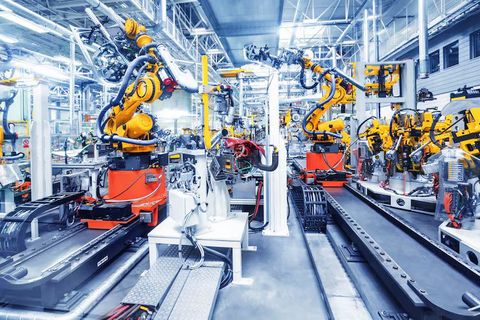
Modern rubber processing machinery combines mechanical motion, thermal control, and automated monitoring. These systems support large-scale production while maintaining consistency and quality in rubber products.
Why Rubber Processing Machinery Matters Today
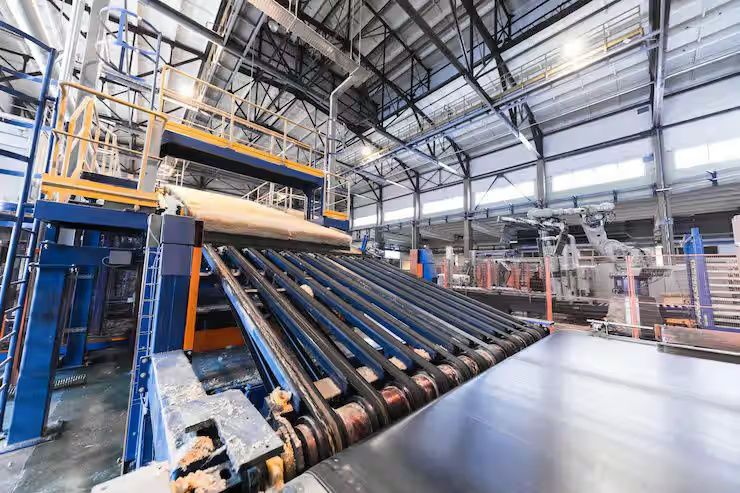
Rubber processing machinery plays a critical role in industries such as transportation, infrastructure, healthcare, and manufacturing. The performance of rubber products depends heavily on how the material is processed.
Key Reasons This Topic Matters
- Consistency: Ensures uniform material properties across batches
- Efficiency: Supports large-scale production
- Quality control: Maintains dimensional accuracy and durability
- Industrial relevance: Used in multiple sectors and applications
Without proper machinery, defects like uneven curing or weak bonding can affect product performance.
Recent Developments and Trends (2024–2025)
Rubber processing technology has evolved with advancements in automation, monitoring, and sustainability. These developments focus on improving efficiency and adaptability.
Key Trends Overview
| Trend | Description | Impact |
|---|---|---|
| Energy-efficient machinery | Improved motors and insulation | Reduces energy consumption |
| Digital monitoring | Real-time tracking of temperature and pressure | Enhances process control |
| Sustainability focus | Adaptation for recycled rubber materials | Supports eco-friendly production |
| Automation integration | Automated feeding and handling systems | Improves consistency and reduces manual work |
These trends reflect broader industrial shifts toward smarter and more efficient manufacturing systems.
Laws and Policies Influencing Rubber Processing
Rubber processing machinery is governed by industrial safety, environmental, and quality standards. These frameworks ensure safe and reliable operation.
Key Regulatory Areas
- ISO standards: Provide guidelines for testing and quality management
- Bureau of Indian Standards (BIS): Regulates safety and machinery practices
- Environmental policies: Address emissions and waste handling
- Workplace safety rules: Ensure safe machine operation and maintenance
These regulations help maintain safety, consistency, and environmental responsibility.
Tools and Resources for Understanding Rubber Processing
Various tools and references help explain rubber processing systems and their functions. These resources are used in engineering, education, and industrial planning.
Useful Tools and References
- Formulation guides: Explain rubber compound composition
- Process diagrams: Show mixing, forming, and curing stages
- Material testing references: Measure elasticity and hardness
- Automation dashboards: Monitor real-time processes
- Engineering handbooks: Provide detailed technical knowledge
Common Rubber Processing Machines
| Machine Type | Core Function | Typical Application Area |
|---|---|---|
| Two-roll mixing mill | Rubber compound mixing | Material preparation |
| Internal mixer | High-volume controlled mixing | Industrial blending |
| Extrusion machine | Continuous shaping | Hoses, seals, profiles |
| Compression molding | Heat and pressure forming | Industrial components |
| Injection molding | Precision shaping | Complex rubber parts |
| Vulcanization press | Rubber curing and stabilization | Final product strength |
These machines work together to ensure efficient and controlled rubber processing.
Frequently Asked Questions
What Is the Main Role of Rubber Processing Machinery?
It transforms raw rubber into stable, shaped materials suitable for industrial use.
Why Is Temperature Control Important?
Temperature affects rubber flow, bonding, and curing, making it essential for consistent quality.
Are Different Machines Required for Different Products?
Yes, different stages such as mixing, shaping, and curing require specialized machines.
Can Machinery Handle Recycled Rubber?
Modern systems are increasingly adapted to process recycled rubber materials.
How Does Machinery Affect Final Properties?
Processing conditions influence strength, elasticity, and durability of rubber products.
Conclusion
Rubber processing machinery is a foundational element of industrial production. It enables controlled mixing, shaping, and curing, ensuring consistent and reliable rubber products.
As technology advances, these systems continue to improve in efficiency, automation, and sustainability. Understanding their role helps highlight their importance in modern manufacturing and industrial applications.