Sapphire Engagement Rings Tips: Discover Smart Advice, Trends, and Helpful Insights
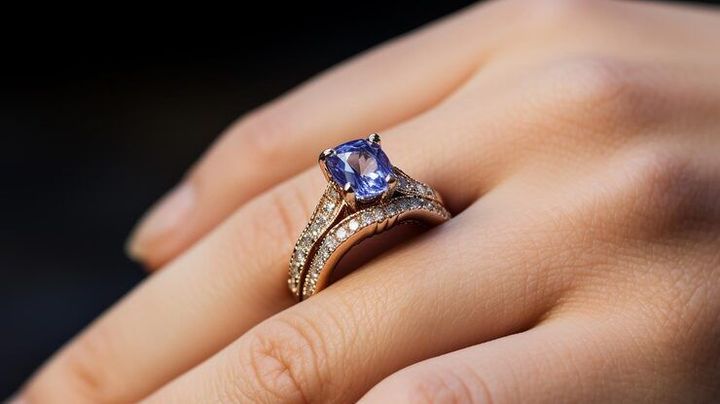
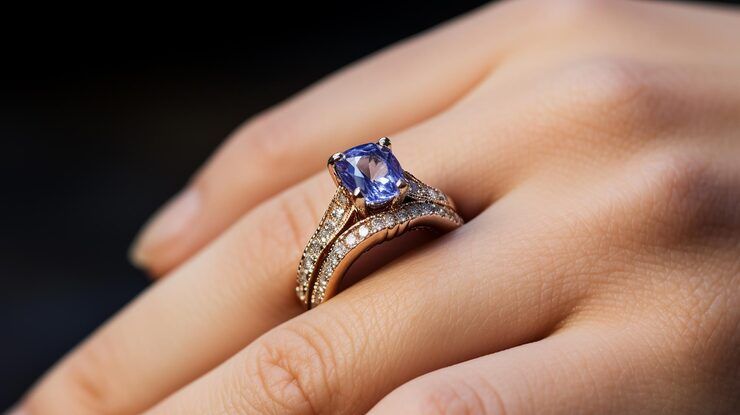
Sapphire engagement rings are a type of fine jewelry that feature sapphires as the central gemstone instead of traditional diamonds. Sapphires belong to the corundum mineral family and are valued for their durability, vibrant colors, and symbolic meaning. While blue is the most recognized shade, sapphires are available in various colors such as pink, yellow, green, and white.
Sapphire engagement rings are a unique and durable alternative to traditional diamond rings. They have long been associated with symbolism such as wisdom, loyalty, and sincerity, making them meaningful for long-term commitments.
Historically, sapphires gained global attention through royal and celebrity jewelry. Over time, they have evolved into a modern choice that blends traditional elegance with contemporary design preferences.
Key Characteristics
Sapphire engagement rings are known for several important qualities:
- High hardness (second only to diamonds on the Mohs scale)
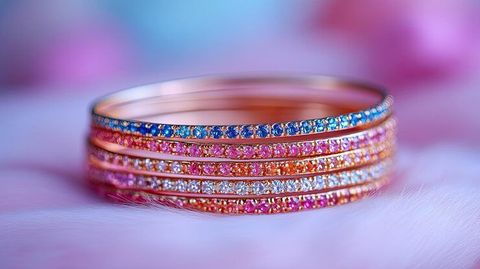
- Wide variety of natural and treated colors
- Compatibility with metals like gold and platinum
- Suitable for everyday wear
These features make sapphires both practical and visually distinctive.
Importance
Sapphire engagement rings are becoming increasingly relevant due to changing consumer preferences. Many buyers today seek personalization, sustainability, and alternatives to traditional diamond jewelry.
This trend is important for several groups:
- Buyers looking for unique and meaningful rings
- Designers focusing on modern and customized styles
- Consumers interested in ethical sourcing
- Individuals needing durable, everyday gemstones
Sapphires address common jewelry concerns such as durability, individuality, and ethical transparency.
Why Consumers Choose Sapphires
- Distinctive appearance compared to diamonds
- Strong resistance to scratches
- Availability of multiple colors
- Growing support for ethical sourcing practices
These factors contribute to their rising popularity in the jewelry market.
Recent Updates (2025 Trends)
Recent developments in 2025 have significantly influenced sapphire engagement ring trends. Consumers are increasingly drawn to sustainable and customizable options.
Key Trends
- Rising demand for lab-created sapphires
- Popularity of pastel shades like peach and lavender
- Increased interest in vintage and antique designs
- Use of digital tools for customization
Technology has also improved transparency, allowing buyers to track gemstone origins through digital systems.
Design Trends Overview
| Trend Category | Popular Features in 2025 |
|---|---|
| Color Variations | Teal, peach, lavender sapphires |
| Ring Styles | Vintage, halo, minimalist |
| Technology Integration | 3D visualization tools |
| Sustainability Focus | Lab-created stones, recycled gold |
These trends reflect how innovation and sustainability are shaping the jewelry industry.
Laws and Policies
Sapphire engagement rings are influenced by regulations related to sourcing, labeling, and consumer protection. These rules ensure transparency and ethical practices within the jewelry industry.
Key Regulatory Areas
- Disclosure of treated or synthetic gemstones
- Certification standards for authenticity
- Environmental regulations in mining
- Import and export controls
In India, the Bureau of Indian Standards (BIS) regulates hallmarking for metals like gold and platinum used in rings. Internationally, organizations such as CIBJO define gemstone terminology and disclosure standards.
These regulations help maintain trust between buyers and sellers.
Tools and Resources
Various tools can help buyers make informed decisions about sapphire engagement rings. These resources improve understanding of gemstone quality and customization options.
Useful Resources
- Gemstone certification reports (e.g., GIA)
- Online ring design simulators
- Jewelry education platforms
- Color grading charts
- Metal purity guides
Digital Tools
- Ring size calculators
- 3D visualization platforms
- Gemstone comparison charts
- CAD-based custom design tools
Sapphire Types Comparison
| Sapphire Type | Description | Common Use Case |
|---|---|---|
| Natural Sapphire | Mined from the earth | Traditional fine jewelry |
| Lab-Created Sapphire | Produced in controlled environments | Sustainable and consistent color |
| Treated Sapphire | Enhanced for color or clarity | Widely used in modern jewelry |
Evaluation Steps
- Check color consistency
- Examine clarity and inclusions
- Verify certification
- Understand treatment disclosures
- Evaluate ring design and metal
These steps help ensure a well-informed purchase.
Frequently Asked Questions
What makes sapphires suitable for engagement rings?
Sapphires rank 9 on the Mohs hardness scale, making them highly durable. This makes them ideal for everyday wear.
Are all sapphires blue?
No, sapphires are available in many colors such as pink, yellow, green, and white. These are often called “fancy sapphires.”
What is the difference between natural and lab-created sapphires?
Natural sapphires form in the earth, while lab-created ones are produced in controlled environments. Both share similar physical and chemical properties.
Do sapphires require special care?
They are low-maintenance but should be cleaned regularly. Proper storage helps protect the ring setting.
How can authenticity be verified?
Authenticity is confirmed through certification reports from recognized gemological laboratories.
Additional Insights and Practical Considerations
Sapphire engagement rings offer flexibility in design and symbolism. The choice of color, shape, and setting allows for strong personalization.
Popular Sapphire Shapes
- Oval
- Round
- Cushion
- Emerald cut
Each shape affects how light reflects from the gemstone, influencing its visual appeal.
Gemstone Properties Overview
| Property | Sapphire Characteristic |
|---|---|
| Hardness | 9 (Very durable) |
| Composition | Aluminum oxide |
| Color Range | Blue, pink, yellow, green |
| Transparency | Transparent to opaque |
Modern designs also focus on comfort and wearability. Settings are designed to reduce snagging and improve long-term usability.
Conclusion
Sapphire engagement rings combine tradition, durability, and modern innovation. They offer a strong alternative to diamond rings while providing diverse design options.
In 2025, trends such as sustainability, customization, and ethical sourcing continue to drive their popularity. Advances in technology and transparency further support informed purchasing decisions.
By understanding gemstone types, certification, and design choices, buyers can make thoughtful selections. Sapphire engagement rings are expected to remain an important part of the evolving jewelry market.