Single Gemstone Drops: An Informative Guide to Style, Design Trends, and Jewelry Insights
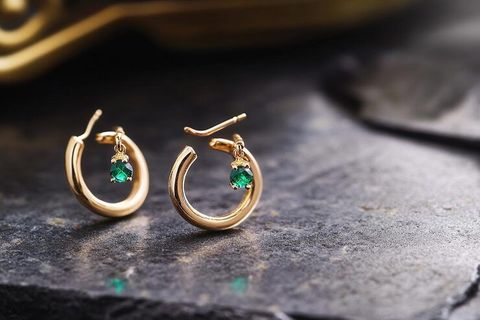
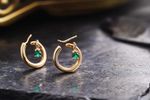
Single gemstone drops refer to jewelry pieces that feature one gemstone suspended as the central decorative element. The gemstone is typically attached to a chain, hook, or setting that allows it to hang freely. This design is commonly used in earrings, pendants, and necklaces.
The concept of a single gemstone drop originated from traditional jewelry design, where simplicity and elegance were highly valued. Instead of using multiple stones or intricate patterns, a single gemstone becomes the central focus of the piece. This approach highlights the natural color, clarity, and cut of the stone.
Single gemstone drop designs appear across various global jewelry traditions. In European styles, drop earrings with pearls or diamonds were popular among royalty, while Asian designs often featured jade or sapphire suspended from delicate chains. Modern jewelry continues to use this concept because it enhances light reflection and adds movement to the piece.
Common Gemstones Used in Drop Jewelry
Several gemstones are commonly selected for drop jewelry due to their durability and visual appeal:
- Diamond
- Sapphire
- Ruby
- Emerald
- Amethyst
- Topaz
- Garnet
- Aquamarine
These stones are valued for their color variations, strength, and optical properties, making them ideal for single-stone designs.
Why Single Gemstone Drops Remain Relevant Today
Single gemstone drop jewelry continues to be popular due to its alignment with modern minimalist trends. Minimalist jewelry emphasizes clean lines and subtle elegance, making single-stone designs highly desirable. This simplicity allows the gemstone to stand out without unnecessary decoration.
Another important factor is versatility. These pieces can be worn with formal attire, business outfits, or casual clothing, making them suitable for various occasions. Their understated design ensures they complement different styles without appearing overly elaborate.
Key Features Highlighted by Single Gemstone Designs
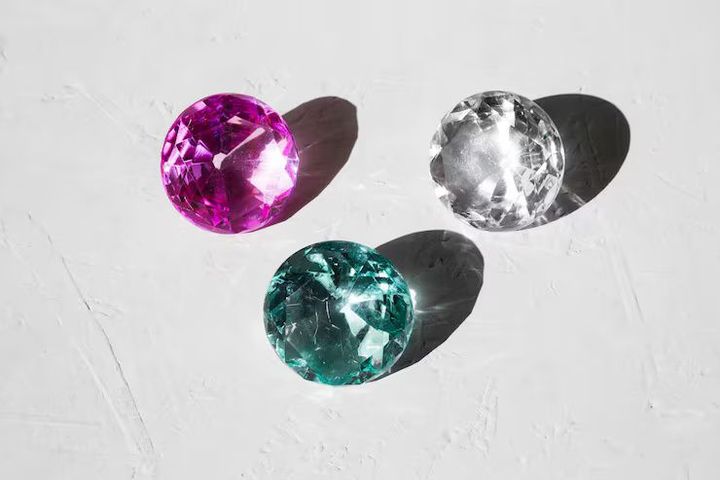
Single gemstone drops make it easier to observe important gemstone characteristics:
- Cut precision
- Color intensity
- Transparency and clarity
- Light reflection and brilliance
By focusing on one gemstone, the design enhances appreciation of these qualities.
Industry Relevance
Different industries benefit from this jewelry design concept:
| Industry Sector | Relevance to Gemstone Drop Jewelry |
|---|---|
| Fashion Design | Complements clothing collections |
| Jewelry Manufacturing | Focus on precision cutting and stone setting |
| Gemology Education | Study of gemstone characteristics |
| Luxury Goods Industry | Supports minimalist premium accessories |
The rise of personalized jewelry also supports this trend, as people often choose gemstones based on birthstones or symbolic meanings.
Recent Developments and Trends
Recent years, particularly 2024–2025, have introduced new trends in gemstone drop jewelry. One major development is the increased use of lab-grown gemstones, which replicate natural formation processes while maintaining similar physical and chemical properties.
Advanced cutting technologies have also improved gemstone brilliance. Computer-guided techniques allow precise angle optimization, enhancing light reflection and overall appearance. Additionally, there has been a growing preference for colored gemstones such as emerald, spinel, and tourmaline in minimalist designs.
Emerging Design Trends
Some notable design trends include:
- Asymmetrical drop earrings
- Geometric gemstone cuts
- Mixed metal settings
- Colored gemstone pendants
Sustainability is another key trend, with increased focus on ethical sourcing and traceable supply chains. Certification systems now help verify gemstone origin and responsible mining practices.
Regulations and Jewelry Industry Standards
The jewelry industry follows strict regulations to ensure transparency and consumer protection. Many countries require proper labeling of gemstones, especially when stones are synthetic, treated, or enhanced.
Key Classification Requirements
- Natural gemstones
- Lab-grown gemstones
- Treated or enhanced stones
Clear disclosure helps buyers make informed purchasing decisions and builds trust in the market.
Major Organizations in Jewelry Standards
| Organization | Role in Jewelry Regulation |
|---|---|
| International Gemological Institute (IGI) | Gemstone certification |
| Gemological Institute of America (GIA) | Grading and research |
| Responsible Jewellery Council (RJC) | Ethical sourcing standards |
These organizations establish grading systems and certification processes that maintain industry credibility.
Environmental and safety regulations also play a role in gemstone mining and processing. In India, hallmarking standards ensure the quality of precious metals like gold and silver.
Tools and Resources for Learning About Gemstones
Various tools are available to support gemstone education and jewelry design. These resources help individuals understand gemstone properties and improve design accuracy.
Common Learning Tools
- Gemstone identification charts
- Jewelry design software
- Online gemology courses
- Metal purity calculators
- Color grading guides
Designers frequently use digital tools to create prototypes and test designs before production.
Examples of Digital Tools
| Tool Type | Purpose |
|---|---|
| CAD Jewelry Design Software | Create digital jewelry models |
| Gemstone Databases | Provide gemstone property information |
| 3D Visualization Tools | Simulate gemstone placement |
| Measurement Templates | Assist with sizing and proportions |
Gemstone Hardness Overview
Gemstone hardness is measured using the Mohs scale, which indicates resistance to scratching:
| Gemstone | Mohs Hardness |
|---|---|
| Diamond | 10 |
| Sapphire | 9 |
| Emerald | 7.5–8 |
| Amethyst | 7 |
| Topaz | 8 |
Harder gemstones are generally preferred for daily wear due to their durability.
Frequently Asked Questions About Single Gemstone Drops
What defines a single gemstone drop design?
A single gemstone drop design features one gemstone suspended from a setting, allowing it to hang freely as the focal point of the jewelry piece.
Which gemstones are commonly used?
Popular options include diamonds, sapphires, emeralds, rubies, amethyst, aquamarine, and topaz. These gemstones are chosen for durability and visual appeal.
Are these designs considered minimalist?
Yes, single gemstone drops are strongly associated with minimalist jewelry due to their simplicity and focus on a single element.
How does gemstone cut affect appearance?
The cut determines how light reflects through the gemstone. A well-cut stone enhances brilliance and sparkle, especially in drop designs.
Why is certification important?
Certification verifies gemstone authenticity, origin, and quality. It helps consumers make informed decisions and ensures transparency in the jewelry market.
Conclusion
Single gemstone drop jewelry represents a timeless approach that emphasizes simplicity, elegance, and gemstone quality. By focusing on a single stone, the design highlights natural beauty while maintaining a minimalist aesthetic.
This style remains relevant due to its versatility and adaptability across fashion trends. Advances in gemstone technology, sustainable sourcing, and digital design tools continue to shape its evolution.
Industry standards and certification systems further support transparency and trust in the jewelry market. As knowledge and technology expand, single gemstone drop jewelry continues to bridge traditional craftsmanship with modern innovation.