Smart adjustable desks are furniture systems designed to change desk height so people can alternate between sitting and standing while working. These desks are commonly used in offices, home workspaces, and study areas. The concept comes from ergonomic research that examines how posture, movement, and workstation layout affect comfort and productivity during long periods of desk work.
Traditional desks keep the body in one fixed position for extended hours. Over time, this can lead to posture strain, fatigue, and reduced focus. Smart adjustable desks were introduced to address this issue by allowing users to modify desk height based on their body position.
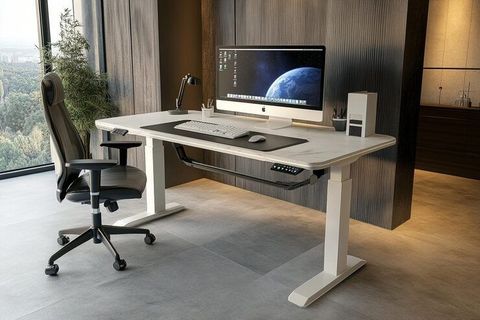
Modern smart adjustable desks often include electronic controls, memory presets, and programmable height adjustments. Some models integrate with mobile applications or workplace management systems. These features allow users to easily switch between sitting and standing positions during daily tasks.
The growing use of computers and digital devices has increased interest in ergonomic workspace design. As remote work and hybrid work environments expand, many people are exploring adjustable desk setups that support flexible working habits.
Importance
Smart adjustable desks have become relevant because many people now spend long periods working at computers. Office professionals, students, designers, programmers, and administrative staff often remain seated for several hours each day.
Maintaining a single posture for extended periods may contribute to discomfort in the back, neck, and shoulders. Adjustable desks allow workers to change positions throughout the day, which may help reduce prolonged physical strain.
Several aspects make these desks important in modern workspaces.
- Posture support: adjustable height allows alignment between desk surface, monitor height, and arm position.
- Movement encouragement: switching between sitting and standing introduces natural movement during work sessions.
- Workspace flexibility: different users can adjust the desk height based on individual body measurements.
- Adaptation to remote work: home offices often require flexible furniture that supports multiple tasks.
Another reason these desks matter is their role in workplace ergonomics. Organizations increasingly consider employee well-being when designing office layouts. Ergonomic workstations, including smart adjustable desks, contribute to safer and more adaptable working environments.
The concept also supports productivity management. When individuals change posture periodically, they may experience improved alertness and reduced fatigue during long work sessions.
Recent Updates
Recent developments in smart adjustable desks between 2024 and 2026 mainly focus on technology integration and workspace analytics.
One trend involves smart control systems. Some adjustable desks now include digital controllers that allow height presets, reminders for posture changes, and usage tracking. These reminders can prompt users to alternate between sitting and standing positions.
Another trend involves connectivity with workspace applications. Certain desks can connect to mobile apps or office management platforms. These systems allow workers to save height preferences and track how often they switch positions during the day.
Manufacturers have also introduced quieter electric lift systems. Earlier adjustable desks sometimes produced noticeable mechanical sound when changing height. Newer lifting mechanisms are designed to operate with reduced noise.
Sustainability is another development influencing furniture design. Some adjustable desk frames now use recycled metals or responsibly sourced materials in desktop surfaces.
The following table shows common features found in modern smart adjustable desks.
| Feature | Purpose in Workspace |
|---|---|
| Electric height control | Allows smooth height adjustment through buttons or digital panels |
| Memory presets | Saves preferred desk heights for sitting and standing positions |
| Mobile app connectivity | Enables tracking of desk usage and posture changes |
| Anti-collision sensors | Stops desk movement if an obstacle is detected |
| Cable management channels | Helps organize wires from monitors and computers |
These updates illustrate how adjustable desks are evolving from simple mechanical furniture into connected workspace tools.
Laws or Policies
In many countries, workplace safety policies encourage ergonomic workstation design. While adjustable desks are not always required by law, guidelines often recommend furniture that supports healthy posture and flexibility.
In the United States, ergonomic recommendations are influenced by the Occupational Safety and Health Administration. The agency provides guidance on workstation design, including monitor placement, chair support, and desk height alignment.
Within the European Union, workplace ergonomics is addressed through health and safety directives supported by the European Agency for Safety and Health at Work. These guidelines encourage employers to reduce risks associated with prolonged sitting and repetitive tasks.
Many organizations implement internal ergonomic policies that include:
- adjustable desks or workstation platforms
- ergonomic chairs and monitor stands
- workspace assessments for employees
- posture education programs
Government regulations typically focus on worker safety rather than specific furniture types. However, adjustable desks may be used as part of broader ergonomic strategies that support workplace well-being.
Tools and Resources
Various tools and digital resources help individuals set up and manage ergonomic workspaces that include smart adjustable desks.
Ergonomic assessment tools
Online posture assessment tools help users understand proper desk height, monitor position, and keyboard placement. These resources often include visual guides that explain ideal sitting and standing positions.
The Canadian Centre for Occupational Health and Safety provides ergonomic information and workstation setup guidelines. These materials explain how furniture dimensions affect body posture during desk work.
Workspace planning software
Digital planning platforms help design home offices and shared workspaces. Users can visualize desk placement, monitor positioning, and walking space.
Common workspace planning tools include:
- SketchUp for modeling workspace layouts
- RoomSketcher for planning desk arrangements
- Microsoft Excel for tracking desk usage or posture change schedules
Productivity and posture reminder apps
Some individuals use mobile or desktop applications that remind them to change posture during the day. These reminders complement the height-adjustment features available in many smart adjustable desks.
Examples of commonly used reminder platforms include:
- Stretchly
- Workrave
These tools can help individuals maintain consistent posture changes during long work sessions.
FAQs
What are smart adjustable desks?
Smart adjustable desks are desks designed to change height so users can work while sitting or standing. Many models include electronic controls, programmable height presets, and digital reminders that support ergonomic workspace setups.
How do smart adjustable desks improve workspace ergonomics?
Adjustable desks allow individuals to align the desk surface with their body height. This helps position the keyboard, monitor, and arms in a neutral posture, which may reduce strain during extended computer use.
What features are commonly found in smart adjustable desks?
Typical features include electric height adjustment, memory presets for preferred desk positions, cable management systems, and safety sensors that stop desk movement if an obstacle is detected.
Are smart adjustable desks suitable for home workspaces?
Yes. Many remote workers and students use adjustable desks in home offices. These desks allow multiple users to change desk height based on individual comfort and working style.
How often should a person switch positions when using smart adjustable desks?
Ergonomic guidelines often suggest alternating between sitting and standing periodically during the workday. The exact frequency varies by individual preference and task requirements.
Conclusion
Smart adjustable desks are designed to support flexible working positions by allowing users to change desk height throughout the day. Their development reflects growing attention to ergonomic workspace design and the effects of prolonged sitting.
Modern adjustable desks often include digital controls, memory settings, and integration with productivity tools. Workplace safety guidelines in several regions encourage ergonomic furniture that supports healthy posture.
As remote work and digital tasks continue to shape daily routines, adjustable desks represent one approach to creating adaptable work environments that accommodate different body positions and workspace needs.