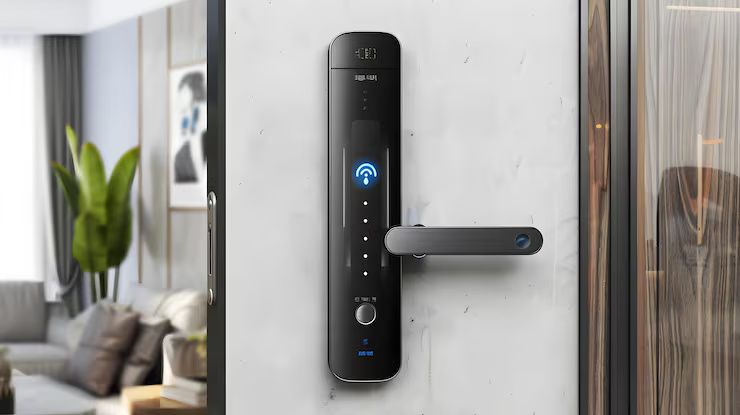
Smart door locks are electronic locking systems designed to control access to buildings using digital technologies rather than traditional mechanical keys. They typically integrate wireless communication, authentication methods, and automation features to allow entry through methods such as passcodes, fingerprint recognition, mobile device authorization, or proximity sensors.
The concept of smart locks emerged as part of the broader development of connected homes and digital security solutions. Traditional locks rely solely on physical keys, which can be misplaced, copied, or difficult to manage in shared environments. Smart door locks exist to address these limitations by enabling controlled access, remote monitoring, and flexible entry management.
These systems are commonly used in homes, apartments, offices, hotels, and secure facilities where convenient access and improved security oversight are priorities.
Importance: Why Smart Door Locks Matter Today
Smart door locks have become increasingly relevant as buildings adopt connected technologies and people seek safer, more convenient ways to manage access.
Why this topic matters today:
-
Enhanced security: Digital authentication methods reduce risks associated with lost or duplicated keys
-
Access management: Property owners can control who enters and when
-
Convenience: Entry can be granted without physical keys
-
Remote monitoring: Users can check lock status from a distance
-
Integration with smart environments: Locks can work alongside lighting, alarms, and other automation systems
Smart locks affect homeowners, apartment residents, office administrators, property managers, and facility security teams. They help solve problems related to key management, unauthorized access, and lack of visibility over entry events.
In environments such as rental properties or shared workplaces, smart locks also support temporary or scheduled access permissions.
Recent Updates: Trends and Developments (2024–2025)
Over the past year, smart door lock technology has advanced through improved sensors, stronger encryption methods, and better integration with connected devices.
| Year | Development or Trend | Practical Impact |
|---|---|---|
| 2024 | Improved biometric recognition | Faster and more accurate fingerprint authentication |
| 2024 | Enhanced encryption protocols | Stronger protection for wireless communication |
| 2025 | Integration with home automation platforms | Seamless interaction with lighting and alarm systems |
| 2025 | Longer battery efficiency | Reduced need for frequent battery replacement |
Recent industry reports from late 2024 highlight a growing interest in multi-factor authentication, combining biometric identification with digital passcodes or mobile authorization for improved security.
Laws or Policies Affecting Smart Door Locks
Smart door locks are influenced by various regulations related to electronic devices, data privacy, and building safety.
Key regulatory areas include:
-
Consumer electronics safety standards: Ensure devices meet electrical safety requirements
-
Data protection laws: Govern how biometric and access data are stored and processed
-
Building security guidelines: Some commercial buildings must meet specific access-control standards
-
Wireless communication rules: Devices must comply with radio frequency regulations in many countries
Governments and regulatory bodies often encourage responsible use of connected devices to ensure secure data handling and protection against unauthorized digital access.
Tools and Resources for Understanding and Using Smart Door Locks
A range of tools and resources help users learn about and manage smart door locks effectively.
Helpful tools and platforms include:
-
Mobile applications: Allow lock monitoring, access control, and notification management
-
Installation guides: Step-by-step documentation explaining device setup
-
Home security planning templates: Help evaluate entry points and access needs
-
Battery monitoring indicators: Provide alerts when power levels are low
-
User access management dashboards: Used for assigning or adjusting permissions
Educational resources:
-
Smart home technology guides
-
Consumer electronics manuals
-
Online tutorials explaining installation and configuration
-
Security awareness materials about digital authentication
These resources help users understand how smart locks function and how to maintain secure configurations.
Key Features and Security Technologies
Smart door locks rely on several technologies that work together to control access safely.
Common features include:
-
Digital keypads for entering passcodes
-
Biometric sensors such as fingerprint recognition
-
Mobile connectivity for remote locking and unlocking
-
Activity logs that record entry events
-
Automatic locking mechanisms after doors close
Security technologies used in many systems:
-
Encryption for wireless communication
-
Multi-factor authentication
-
Tamper detection alerts
-
Secure firmware updates
These technologies help protect against unauthorized entry while maintaining convenience.
Basic Installation Process
Installing a smart door lock typically follows a structured process.
Typical steps include:
-
Assess door compatibility
Ensure the door thickness and lock type match the device specifications. -
Remove existing hardware
The traditional lock mechanism is carefully removed. -
Install mounting components
The new locking mechanism and mounting plate are positioned. -
Connect electronic components
Battery compartments and internal modules are secured. -
Configure digital access
Passcodes, mobile connections, and biometric profiles are registered. -
Test locking functions
Multiple entry methods are tested to confirm proper operation.
Proper installation ensures smooth performance and reliable access control.
Frequently Asked Questions
What makes a door lock “smart”?
A smart lock uses electronic authentication and connectivity features instead of relying only on physical keys.
Are smart door locks secure?
They incorporate encryption, authentication methods, and monitoring features designed to enhance security when configured properly.
Can smart locks work during power outages?
Most use internal batteries that continue operating even when external power is unavailable.
Do smart locks replace traditional keys completely?
Some models support both digital access and backup mechanical keys for flexibility.
Are smart locks suitable for apartments and offices?
Yes. They are commonly used in residential, rental, and workplace environments to manage access permissions.
Conclusion
Smart door locks represent an important step in the evolution of modern access control systems. By combining digital authentication, remote monitoring, and automated locking features, these devices provide greater convenience and security compared to traditional locking methods.
Understanding their basics, technological features, regulatory considerations, and installation processes allows users to make informed decisions about implementing smart access systems. As connected environments continue to expand, smart door locks will remain a key component of safer and more efficient building security solutions.