Smart Grids Explained: A Complete Guide to Modern Electricity Networks
Electricity is a part of everyday life. It powers homes, schools, hospitals, factories, and transportation systems. As communities grow and energy needs change, traditional electricity networks face new challenges. More people are using electric vehicles, renewable energy sources are expanding, and digital technology is becoming a normal part of daily living. These changes have encouraged the development of smarter ways to manage electricity.
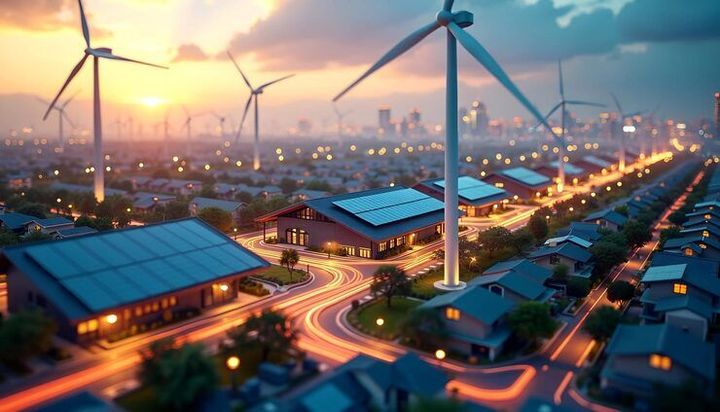
A smart grid is a modern electricity network that combines traditional power infrastructure with digital communication, monitoring, and automation technologies. Unlike older systems that mainly send electricity in one direction—from power plants to consumers—smart grids can monitor conditions, exchange information, and respond to changes more efficiently.
This guide explains what smart grids are, how they work, their major components, advantages, challenges, and the important role they may play in the future of energy systems.
What Is a Smart Grid?
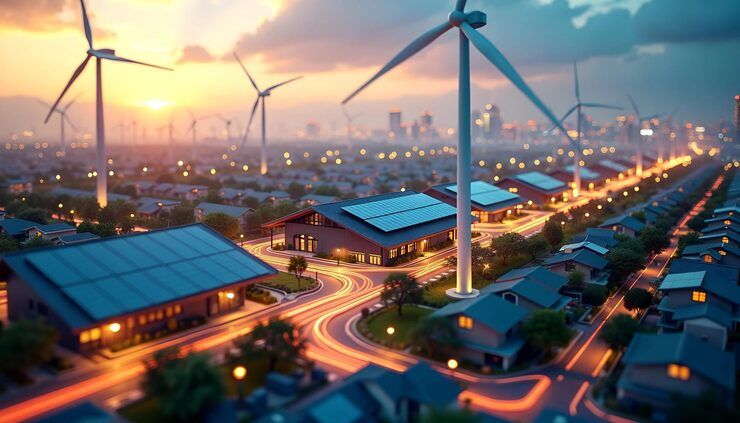
A smart grid is an upgraded electricity network that uses digital technologies to improve the way electricity is generated, transmitted, distributed, and consumed.
Traditional power grids were designed many decades ago. They were reliable for their time, but they were built around predictable electricity demand and centralized power plants. Today, electricity networks must handle changing consumption patterns, renewable energy sources, battery storage, and electric vehicles.
Smart grids make this possible by collecting information from different parts of the network in real time. Utilities and grid operators can monitor equipment, identify problems quickly, and adjust electricity flow when needed.
Instead of relying mainly on manual inspections, smart grids use sensors, communication systems, and automated controls to help maintain a more stable electricity network.
How Does a Smart Grid Work?
A smart grid works by connecting physical electricity infrastructure with digital communication systems.
Sensors placed throughout the network continuously collect information about electricity flow, voltage, frequency, and equipment performance. This information is transmitted to control centers where software analyzes the data.
When the system detects unusual conditions—such as equipment failure, power fluctuations, or unusually high electricity demand—it can alert operators or automatically make adjustments.
Many smart grids also include smart meters installed at homes and businesses. These meters record electricity usage more accurately and communicate information directly with utility companies.
The continuous exchange of information allows electricity networks to react faster than traditional systems.
Main Components of a Smart Grid
Several technologies work together to create a smart grid.
Smart Meters
Smart meters measure electricity consumption digitally instead of using traditional mechanical meters.
They automatically transmit usage information, reducing the need for manual meter readings. They also help consumers understand when and how electricity is being used.
Sensors and Monitoring Devices
Sensors are installed across power lines, substations, and transformers.
These devices monitor system conditions continuously and detect equipment issues before they become larger problems.
Communication Networks
Communication networks connect different parts of the electricity system.
They allow information to move between smart meters, substations, control centers, and grid equipment almost instantly.
Automated Control Systems
Automation allows certain parts of the electricity network to respond without waiting for manual action.
For example, if a power line develops a fault, automated equipment may isolate the affected area while electricity is redirected through another route whenever possible.
Data Analytics Software
Modern software processes enormous amounts of information collected throughout the network.
This analysis helps predict electricity demand, monitor equipment health, identify unusual patterns, and support maintenance planning.
Why Smart Grids Are Becoming More Important
Electricity systems are becoming more complex every year.
Many households now install rooftop solar panels. Electric vehicles require charging infrastructure. Battery storage systems are becoming more common. Renewable energy production changes depending on weather conditions.
Traditional grids were not originally designed for these changing patterns.
Smart grids provide greater flexibility by balancing electricity supply and demand more effectively while helping operators monitor the network in real time.
Benefits of Smart Grids
Smart grids provide several practical advantages for electricity networks and consumers.
Improved Reliability
Continuous monitoring allows operators to identify equipment problems earlier.
This can reduce the duration of some power interruptions and help restore electricity more quickly after faults occur.
Better Energy Efficiency
By monitoring electricity demand more accurately, utilities can reduce unnecessary energy losses during transmission and distribution.
Improved efficiency benefits the entire electricity system.
Support for Renewable Energy
Renewable energy sources such as solar and wind generate electricity under changing weather conditions.
Smart grids help balance these fluctuations by adjusting electricity flow based on real-time conditions.
This makes it easier to integrate renewable energy into existing electricity networks.
Faster Problem Detection
Digital monitoring allows faults to be detected much sooner than with traditional inspection methods.
Earlier detection helps maintenance teams identify affected equipment and prioritize repairs.
More Accurate Electricity Information
Smart meters provide detailed information about electricity usage.
Consumers can better understand their consumption patterns and make informed decisions about energy use throughout the day.
Support for Electric Vehicles
Electric vehicle charging creates additional electricity demand.
Smart grids help manage charging patterns and reduce pressure on the electricity network during periods of high demand.
Challenges Facing Smart Grids
Although smart grids provide many advantages, they also present several challenges.
Cybersecurity
Because smart grids depend on digital communication, protecting computer systems becomes increasingly important.
Strong cybersecurity measures help protect electricity infrastructure from unauthorized access and cyber threats.
Infrastructure Upgrades
Modernizing older electricity networks requires replacing or upgrading equipment that may have been operating for decades.
This process often takes many years due to the size of national electricity networks.
Data Privacy
Smart meters collect detailed electricity usage information.
Protecting consumer data and maintaining privacy remain important considerations as digital technologies expand.
Technical Complexity
Smart grids involve many connected technologies working together.
Maintaining compatibility between equipment from different manufacturers requires careful planning and technical standards.
Smart Grids and Renewable Energy
Renewable energy plays an increasingly important role in electricity generation worldwide.
Unlike traditional power plants, renewable sources may produce different amounts of electricity depending on sunlight, wind speed, or weather conditions.
Smart grids help balance these variations by continuously monitoring electricity production and demand.
Battery storage systems can also work alongside smart grids by storing excess electricity during periods of higher generation and supplying electricity when production decreases.
This flexibility supports more stable electricity networks while encouraging greater use of renewable energy resources.
The Future of Smart Grids
Many countries continue investing in smarter electricity infrastructure.
Future developments may include expanded battery storage, wider adoption of electric vehicles, advanced artificial intelligence, and more sophisticated monitoring technologies.
Artificial intelligence may help predict equipment failures before they happen. Machine learning could improve electricity demand forecasting. Advanced sensors may provide even more detailed information about network performance.
As technology continues evolving, smart grids are expected to become increasingly adaptable and responsive to changing electricity needs.
Why Consumers Matter
Although much of the technology operates behind the scenes, consumers also play an important role in smart grids.
Using energy-efficient appliances, understanding electricity consumption through smart meters, and participating in demand-response programs where available can contribute to a more balanced electricity system.
Public awareness also supports a wider understanding of how electricity networks are changing to meet modern energy demands.
Conclusion
Smart grids represent an important step in the evolution of electricity networks. By combining traditional power infrastructure with digital monitoring, communication systems, and automation, these modern networks improve the way electricity is managed across homes, businesses, and industries.
As renewable energy, electric vehicles, and digital technologies continue expanding, smart grids provide the flexibility needed to manage changing electricity demands. While challenges such as cybersecurity, infrastructure modernization, and data privacy remain important, ongoing technological progress continues to improve the reliability and efficiency of electricity networks.
Understanding smart grids helps consumers appreciate how modern energy systems are evolving to support a more connected, efficient, and resilient future.