Smart Homes & Automation: Explore Innovative Technologies for Modern Living
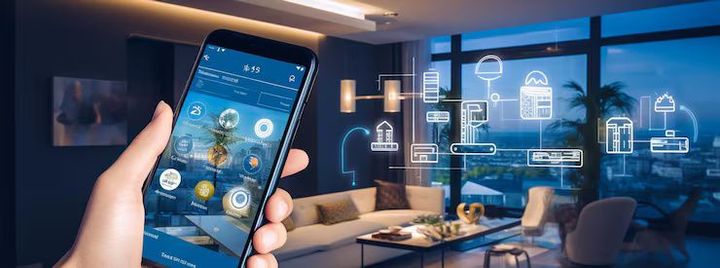
Smart homes and automation refer to residential environments equipped with advanced technologies that allow homeowners to control devices and systems remotely or automatically. This includes lighting, heating, security systems, appliances, and entertainment systems.
The concept of smart homes emerged from the need to make daily life more convenient, efficient, and secure. With the growth of IoT and wireless technologies, integrating devices and automating home functions has become increasingly practical.
Smart homes go beyond simple convenience by enabling personalized environments, reducing manual effort, and optimizing energy usage through connected systems.
Why Smart Homes and Automation Matter Today
Smart home technology plays a vital role in modern living by simplifying routines and improving home management. It supports efficiency, safety, and accessibility for a wide range of users.
Key Benefits
- Energy Efficiency: Automated lighting, heating, and cooling reduce energy consumption
- Safety and Security: Smart locks, cameras, and alarms enhance protection
- Convenience: Control multiple devices through apps or voice assistants
- Accessibility: Enables hands-free control for elderly or mobility-challenged individuals
- Data Insights: Provides analytics for optimizing usage and detecting anomalies
Smart homes are especially valuable in urban settings where efficiency and security are priorities.
Recent Trends and Updates (2025–2026)
Smart home technology continues to evolve rapidly with advancements in AI, connectivity, and sustainability. These trends are shaping the future of automated living.
Voice Control and AI Integration
Devices now respond to natural language through assistants like Amazon Alexa, Google Assistant, and Apple Siri. This makes interaction more intuitive and user-friendly.
Interoperability and Standardization
New protocols such as Matter improve compatibility between devices from different brands. This reduces setup complexity and enhances user experience.
Energy Monitoring Systems
Smart meters and analytics tools allow homeowners to:
- Track real-time energy usage
- Identify inefficiencies
- Optimize consumption patterns
Health and Wellness Integration
Smart devices now support healthier living through:
- Air quality monitoring
- Smart lighting for sleep cycles
- Wellness tracking systems
Sustainability Focus
Eco-friendly solutions include:
- Solar-powered smart devices
- Energy-efficient appliances
- Automated energy-saving routines
Trends Overview Table
| Trend | Description | Impact |
|---|---|---|
| Voice & AI Integration | Natural language device control | Improved usability |
| Interoperability | Cross-platform compatibility | Easier setup and expansion |
| Energy Monitoring | Real-time usage tracking | Better efficiency |
| Health Integration | Wellness-focused smart devices | Improved lifestyle quality |
| Sustainability | Eco-friendly smart solutions | Reduced environmental impact |
Smart Home Policies and Regulations
The adoption of smart home systems is influenced by regulations focused on energy, privacy, and security. These policies ensure safe and responsible usage.
Key Regulatory Areas
- Energy Efficiency Standards: Promote smart appliances and automation through incentives
- Data Privacy Laws: Regulations like GDPR and CCPA govern data collection and usage
- Cybersecurity Standards: Ensure devices meet safety and encryption requirements
- Building Codes: Encourage automation-ready infrastructure in modern housing
Understanding these regulations helps users avoid risks and ensures compliance.
Tools and Resources for Smart Homes
Various platforms and tools help users design, manage, and optimize smart home systems. These resources simplify setup and improve functionality.
Popular Smart Home Platforms
| Platform | Key Features | Compatibility |
|---|---|---|
| Amazon Alexa | Voice control, automation routines | iOS, Android, Echo devices |
| Google Home | AI-based control, ecosystem integration | iOS, Android, Google devices |
| Apple HomeKit | Secure automation and control | iOS, macOS |
| Samsung SmartThings | Centralized device management | iOS, Android, Zigbee/Z-Wave |
Additional Tools
- Energy consumption calculators
- Device monitoring apps with alerts
- Automation templates for lighting and climate
- Online forums and communities for troubleshooting
These tools help users build efficient and secure smart home systems.
Frequently Asked Questions
What is a smart home system?
A smart home system connects devices such as lighting, thermostats, and security systems through a network, allowing automation and remote control.
How do smart homes improve energy efficiency?
They automate energy usage based on occupancy and preferences, reducing waste and tracking consumption patterns.
Are smart home devices secure?
Security depends on proper setup, including:
- Strong passwords
- Regular firmware updates
- Secure networks
Do smart homes require professional installation?
Some devices are easy to install, while complex systems may require professional setup.
Can smart homes help elderly or disabled individuals?
Yes, they provide accessibility through voice commands, automation, and remote control, improving independence and safety.
Key Considerations for Implementation
Planning is essential when setting up a smart home. Several factors influence performance and usability.
Important Factors
- Device Compatibility: Ensure all devices work within one ecosystem
- Network Reliability: Strong Wi-Fi is critical for smooth operation
- Data Privacy: Understand how data is collected and stored
- Scalability: Plan for future upgrades and additions
- User Training: Ensure all users can operate and troubleshoot devices
A well-planned system enhances efficiency while minimizing potential issues.
Conclusion
Smart homes and automation represent a major shift in residential living. By integrating connected devices, AI, and energy-efficient systems, they offer improved convenience, security, and sustainability.
With advancements in interoperability and smart technologies, homes are becoming more intelligent and user-friendly. By understanding trends, regulations, and tools, homeowners can create efficient, secure, and future-ready living environments.
Smart homes are not just a technological upgrade—they are a foundation for modern, connected lifestyles.